Field Visit

3/20/2026

Colombia: how “the dream of açaí” lifts community resilience

Programme Manager Anne de Puybusque visited a stand-out example of how Foundation backing for innovative finance empowers sustainable businesses, creating jobs and income for communities taking care of their environment.

Why did you travel to Colombia?

The partnership with WCS is our first focused on marine areas, so the field trip was an opportunity to deepen our knowledge in this area, especially regarding coral reefs. After two years, it was also a good moment to take stock and see what lessons have been learned. This will help us as we move forward with the programme and look for synergies with other parts of our portfolio, including our new partnership with Blue Alliance to protect coastal ecosystems in East Africa as well as Southeast Asia.

What did your visit encompass?

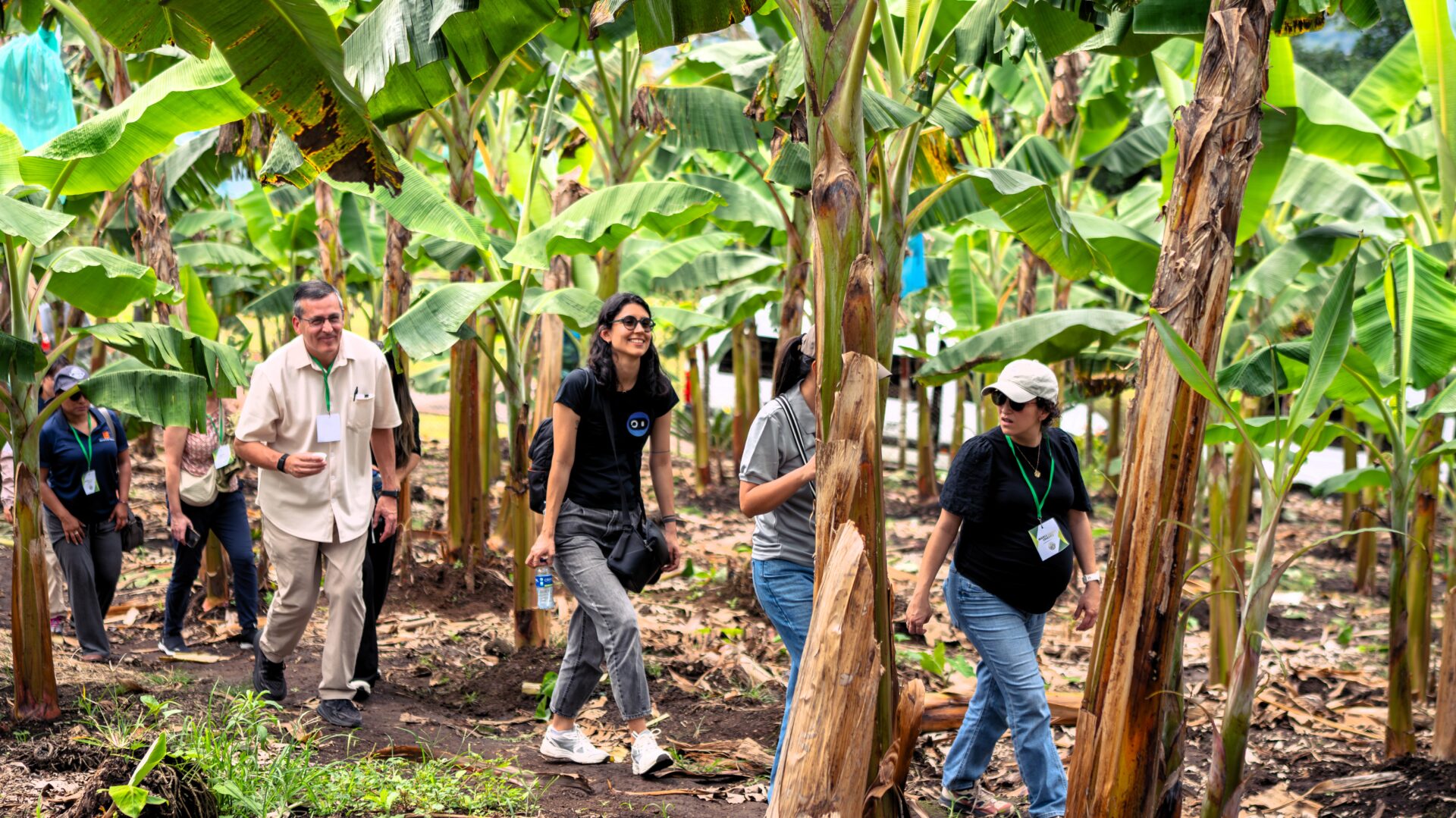
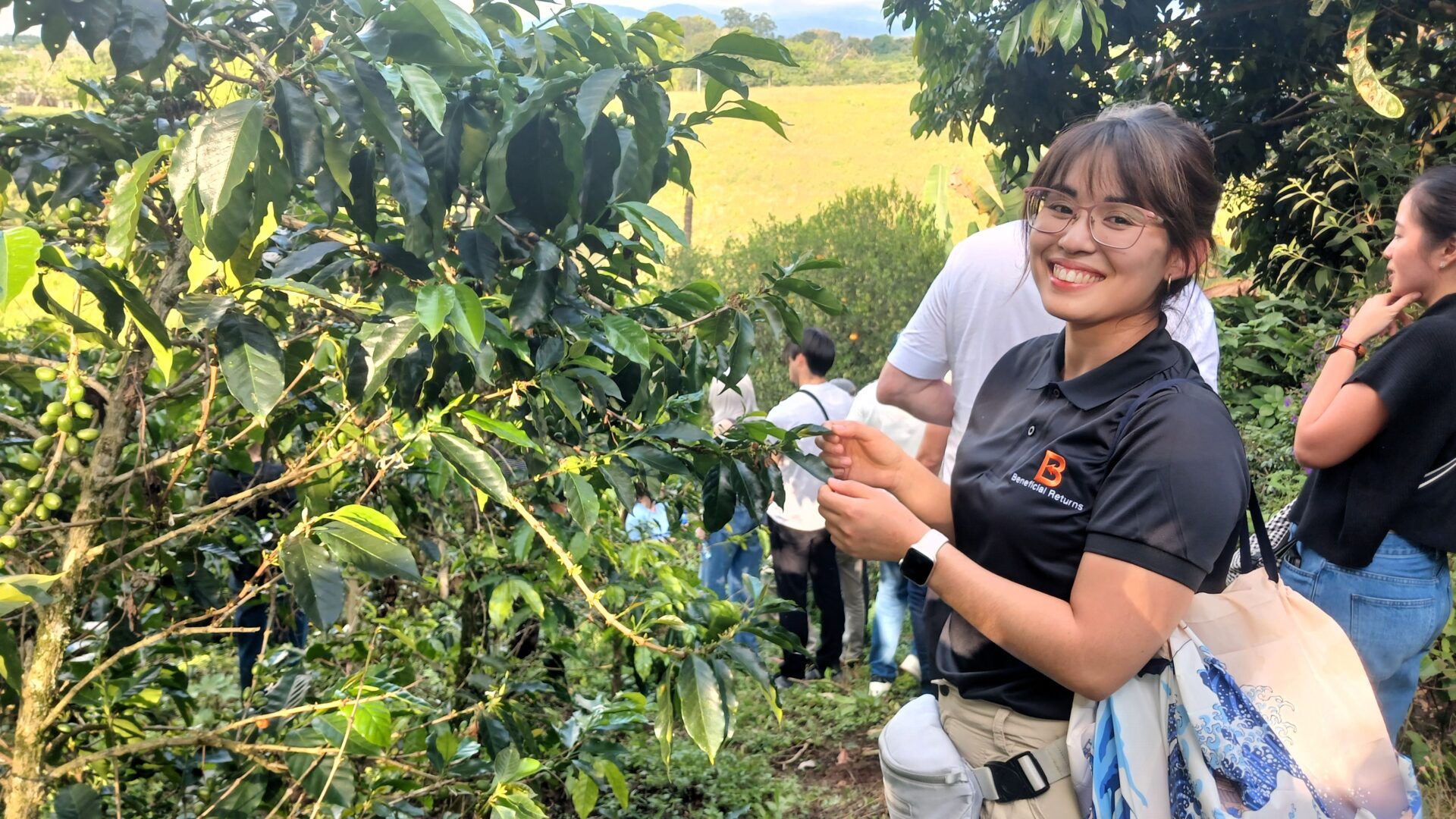
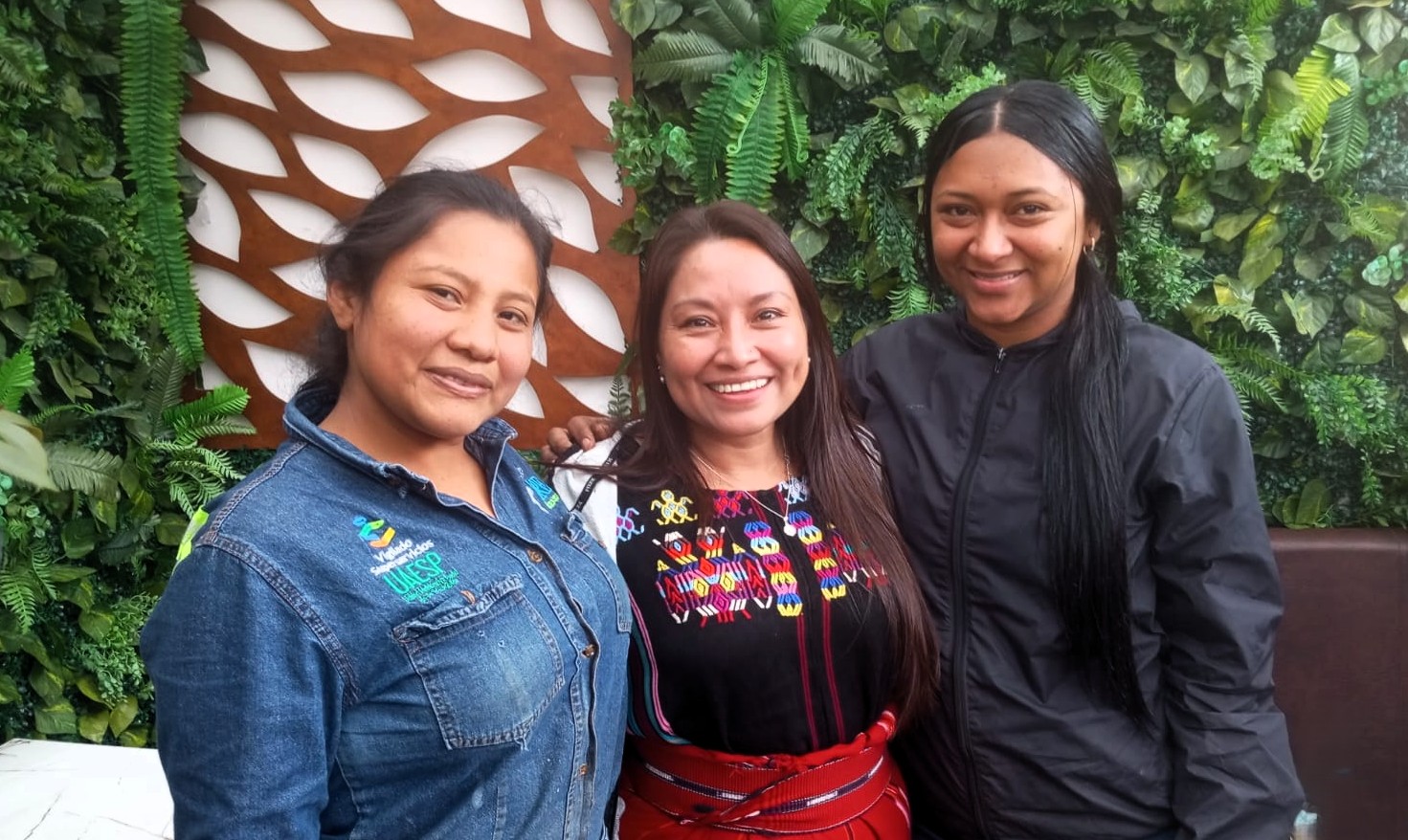
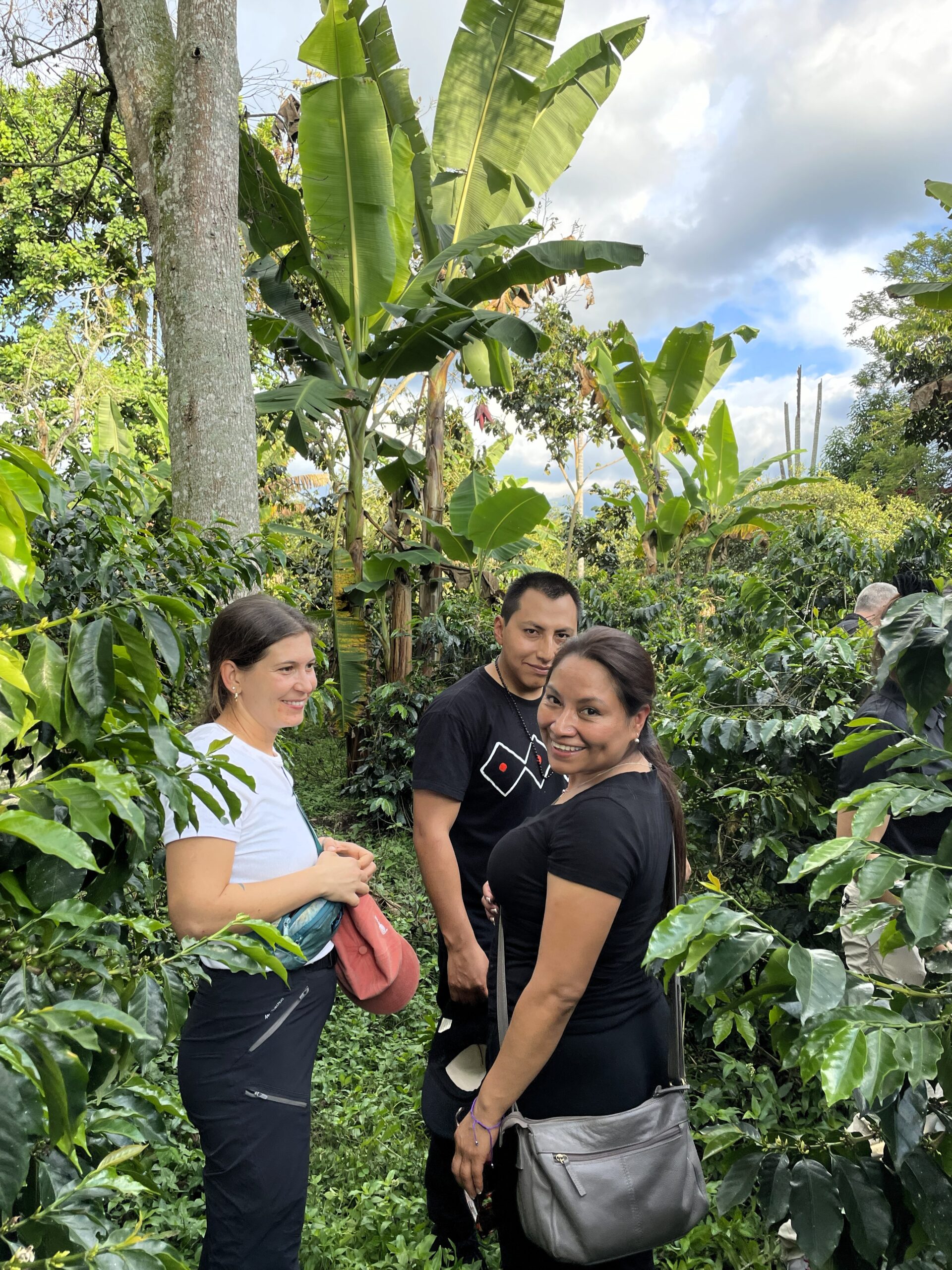
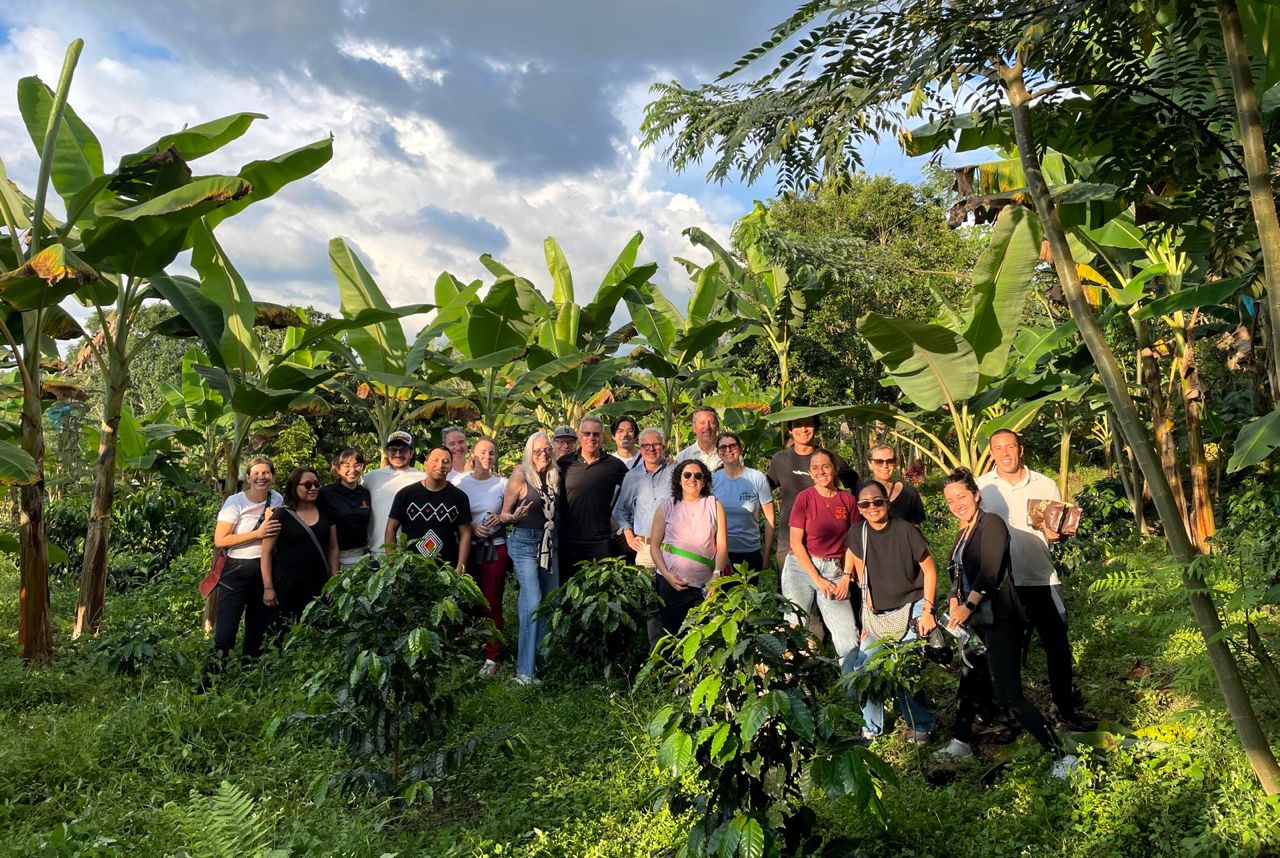
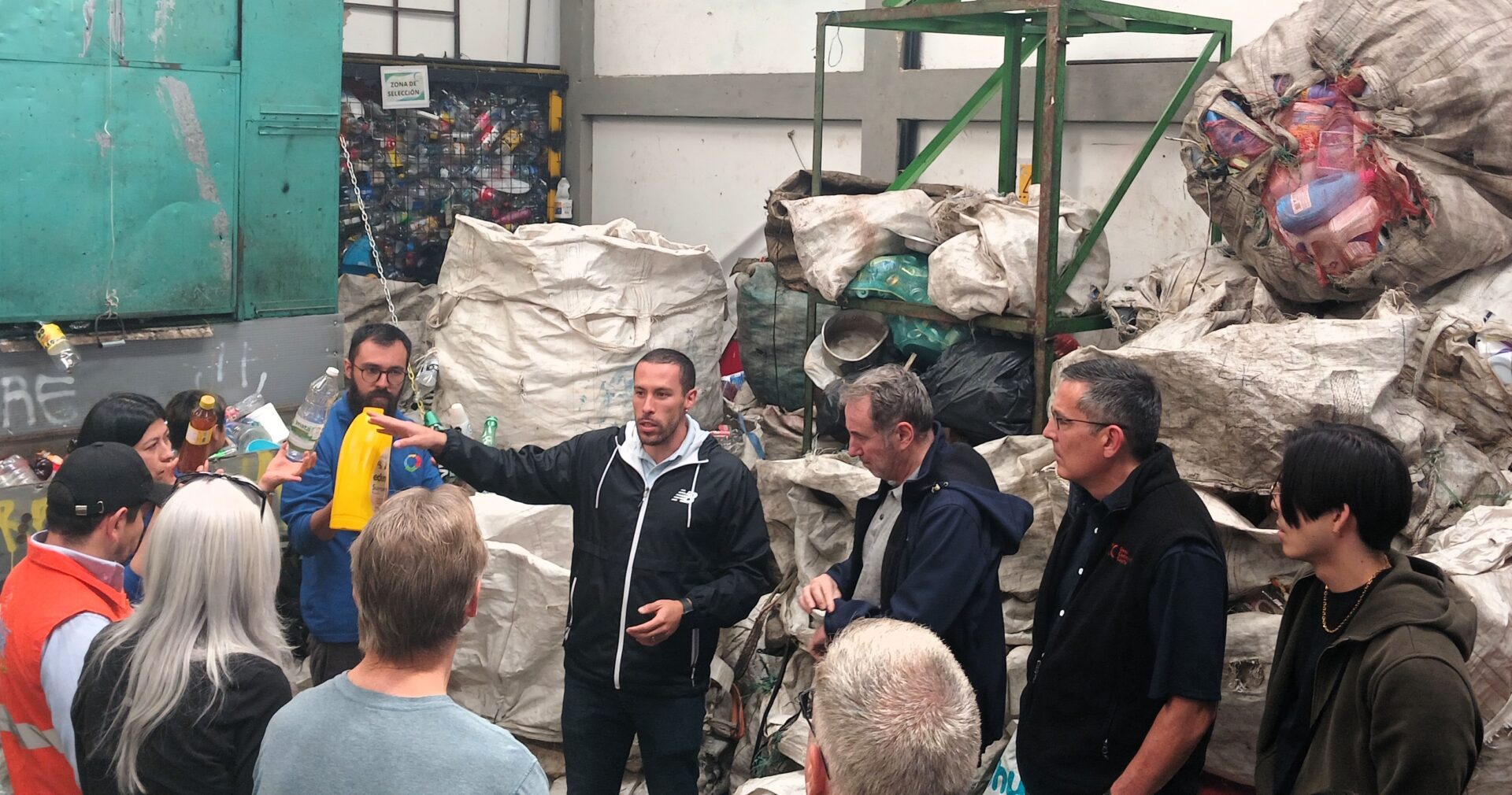
Together with other impact investors, I visited a range of social enterprises in Bogotá, the capital, and Pereira, a city in the heart of Colombia’s coffee-growing region.

Some of these businesses have received loans from The Reciprocity Fund, the Beneficial Returns mechanism dedicated to social enterprises that build the resilience of Indigenous communities. We’ve been supporting The Reciprocity Fund since 2025. Others are clients of Beneficial Returns’ Main Fund, which supports larger businesses ready to scale. We don’t currently support that fund, but its clients are still great examples of how innovative finance is fostering sustainable development.

What did you think of your hosts?

I met with nine members of the Beneficial Returns investment team. Despite being based across the region and beyond, I found them remarkably cohesive. Their profiles are complementary: two have roots in Indigenous cultures, which gives them easier access to Indigenous-led enterprises, while others have strong backgrounds in investing in SMEs.

They are laser-focused on their investment model and striking the balance we look for between financial returns and social impact. I was impressed by their ability to source deals across such a large geographic area and then build strong partnership with the entrepreneurs.

Did you get your boots dirty?

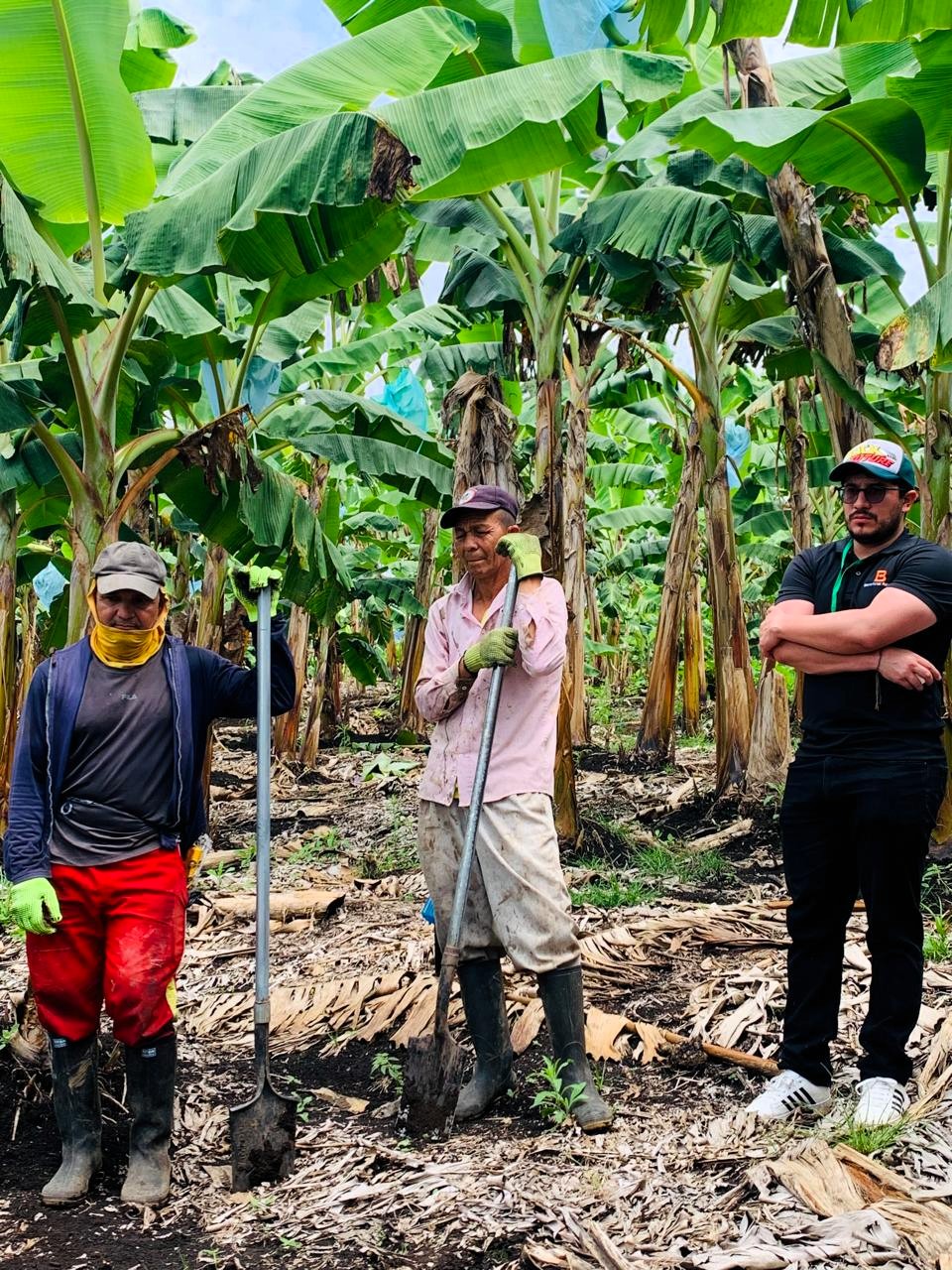
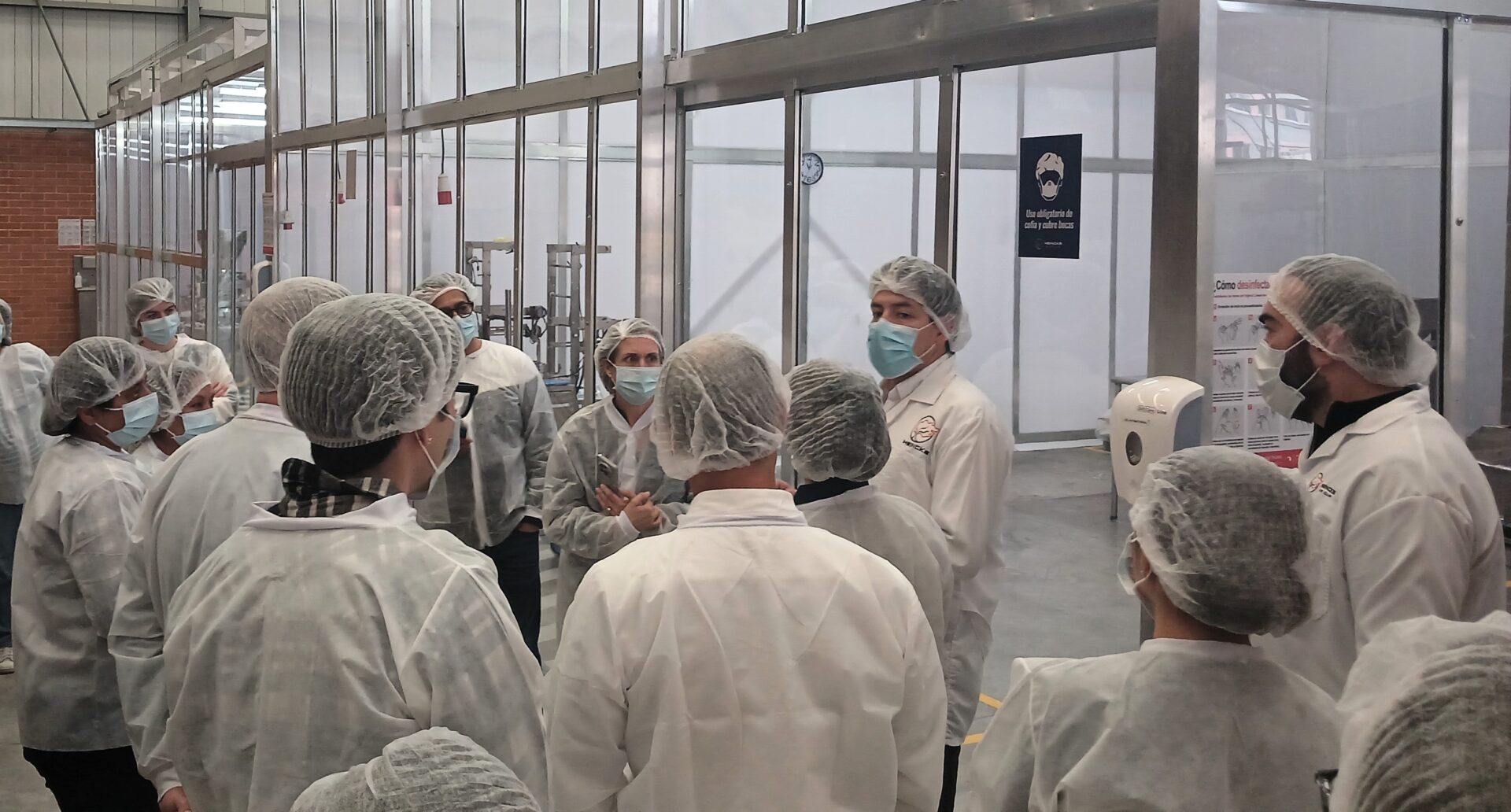
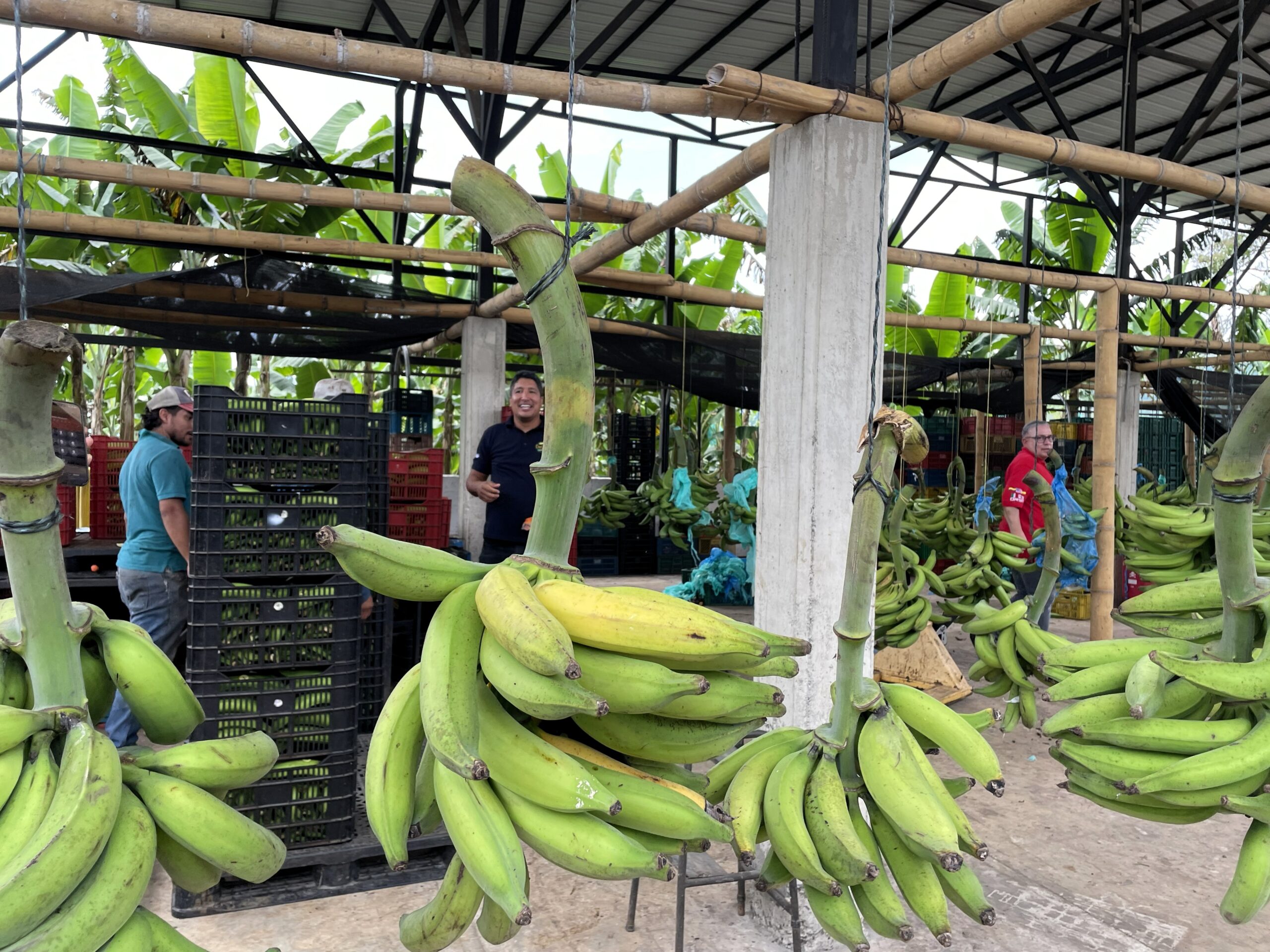
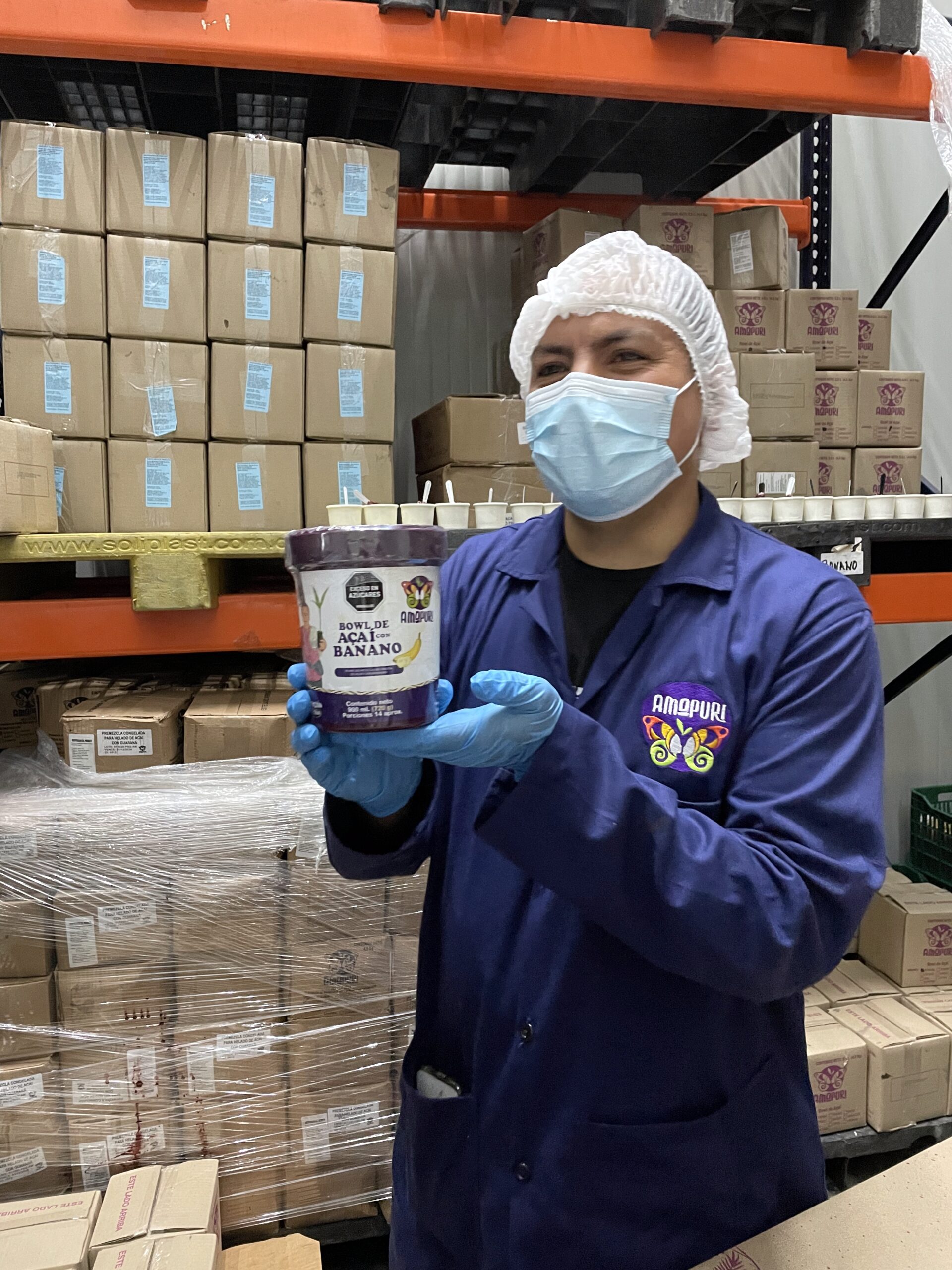
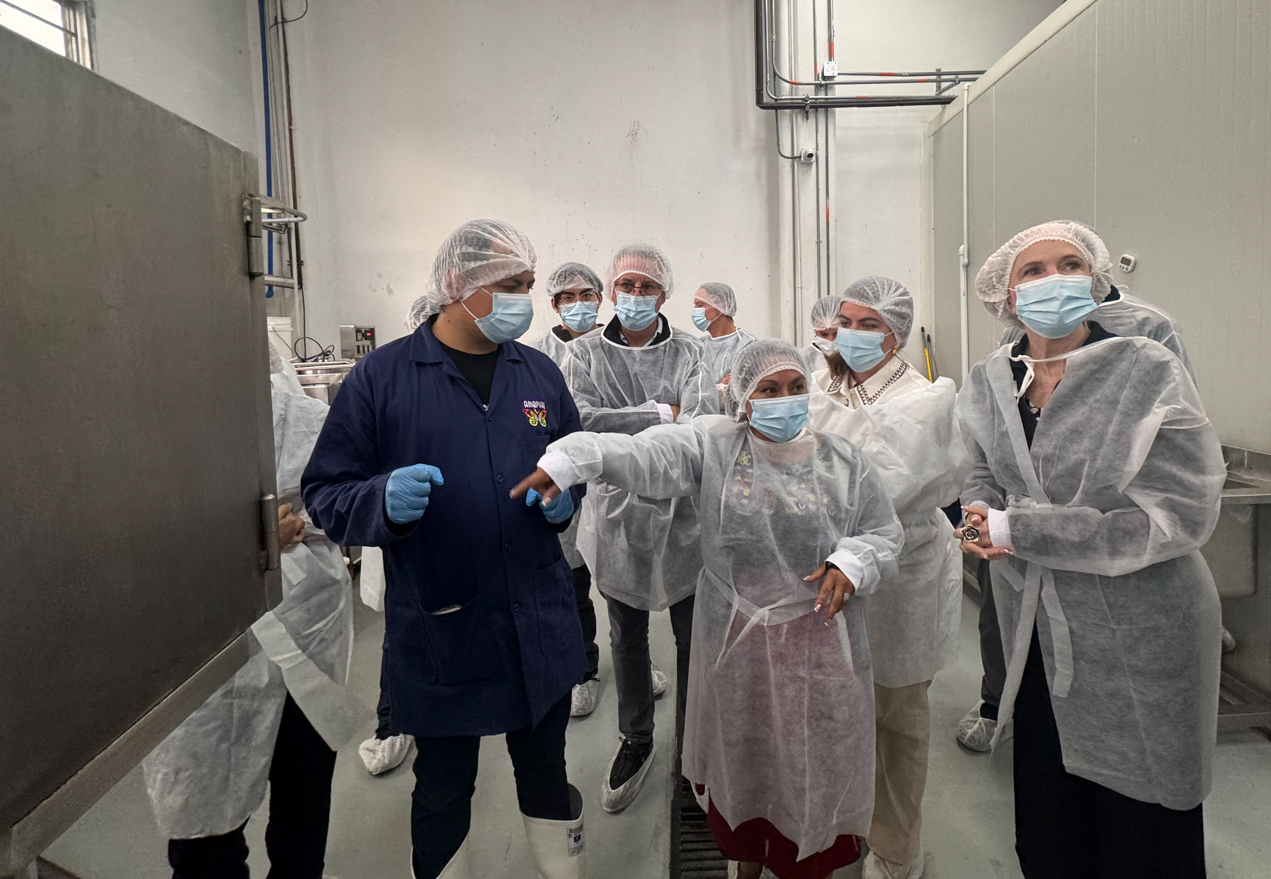
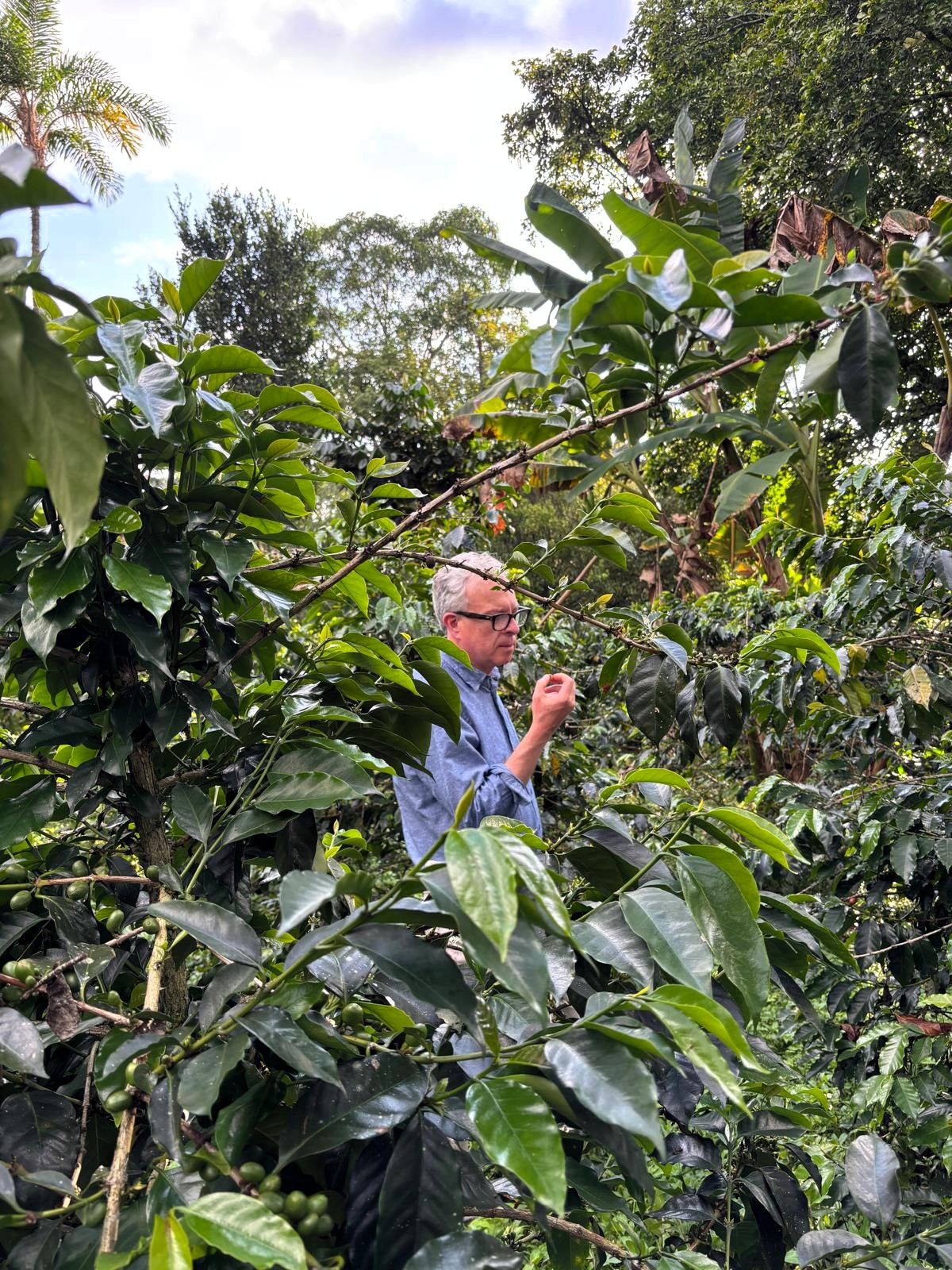
On the farms, for sure, but just as interesting was when I had my shoes on some very clean factory floors! The highlight for me was our visit to Amapuri, a company with an inspiring backstory as well as a promising outlook.

Amapuri was founded by two brothers with the goal of establishing a robust value chain for açaí that delivers direct, sustainable benefits to Indigenous communities in the Putumayo region of Colombia.

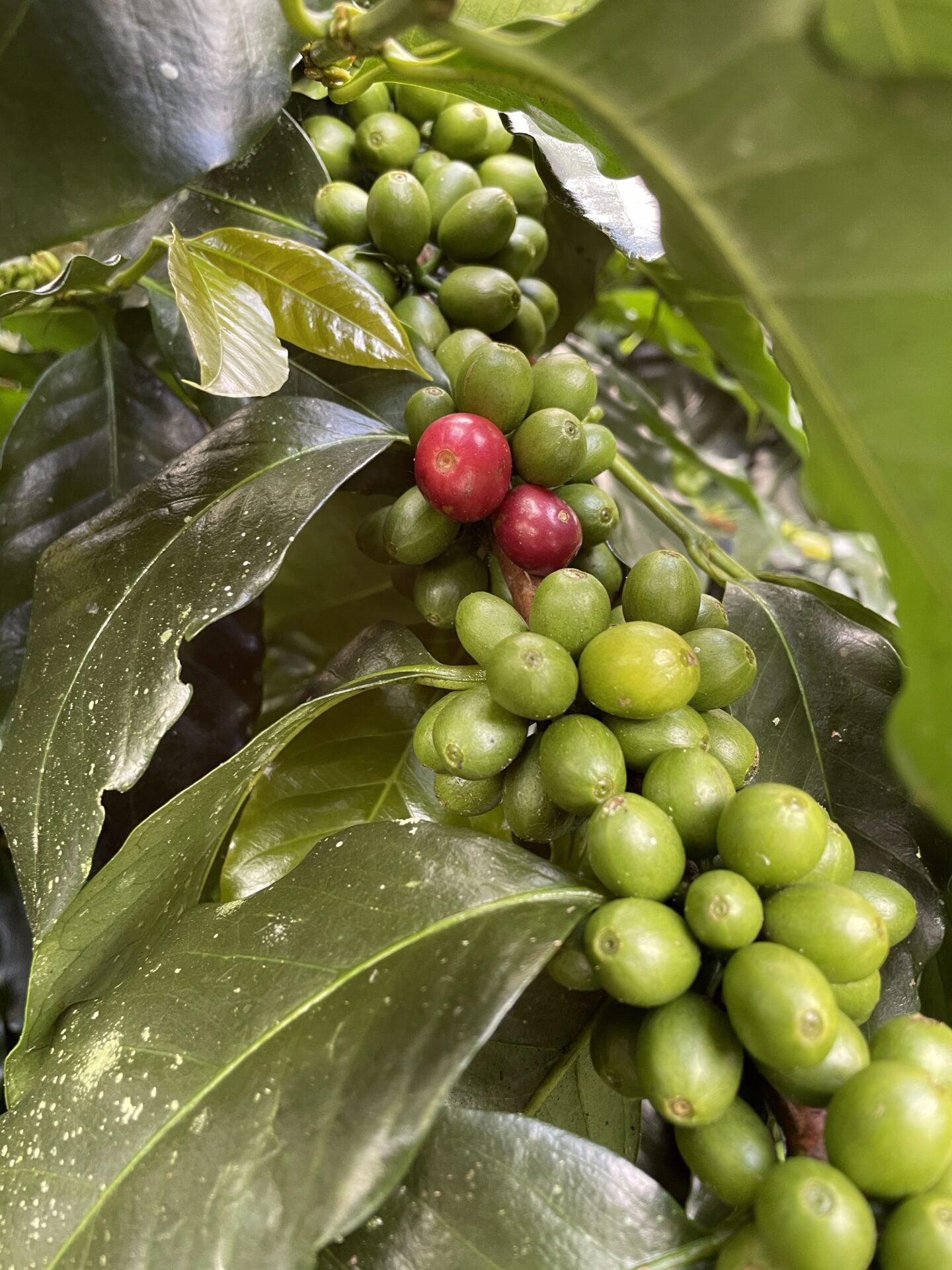
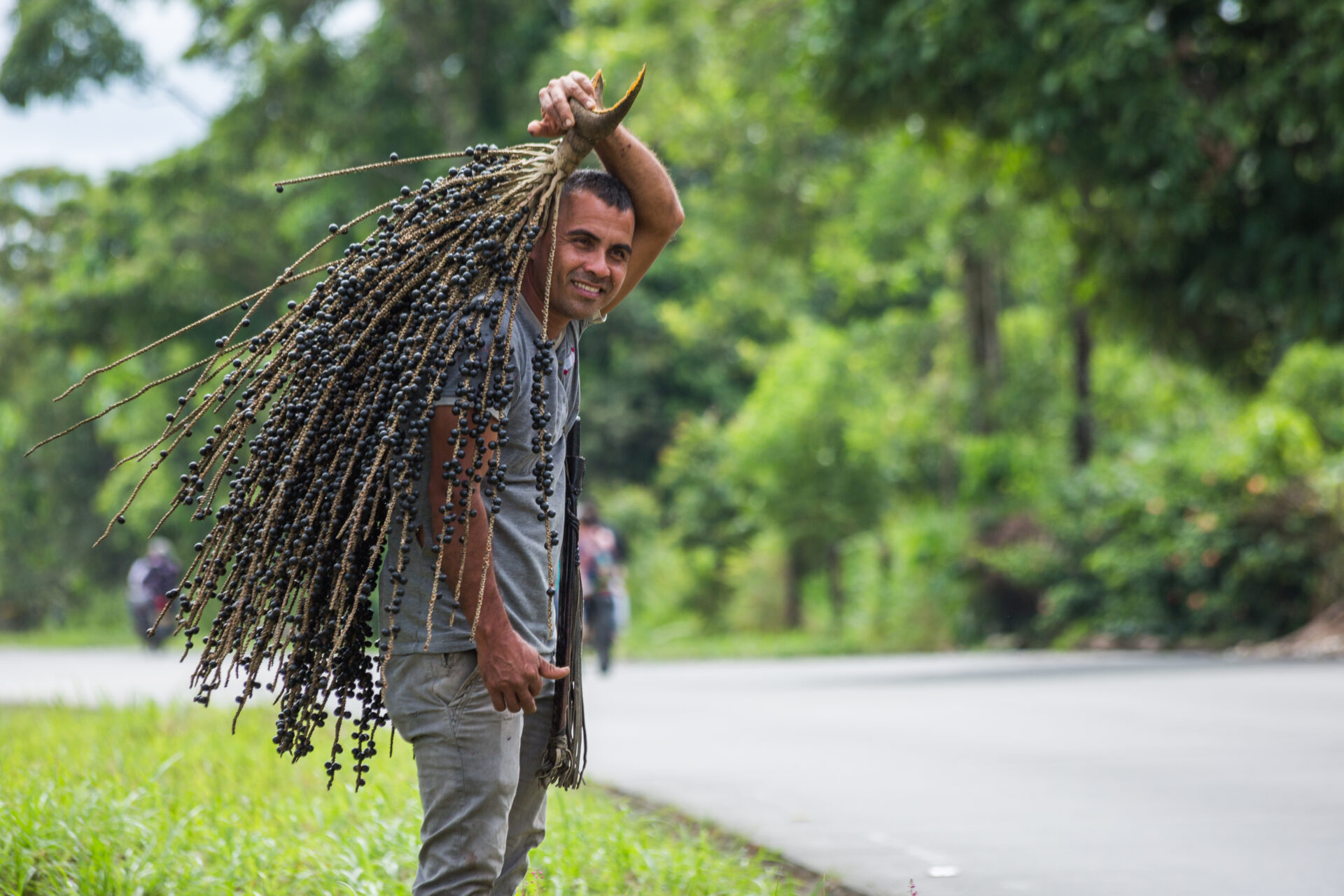
Açaí palms grow well in the humid soils of the Amazon basin. Brazil is the biggest producer. But Colombia also has açaí and is already exporting açaí products to markets including Europe and North America.

Amapuri’s business model rests on two pillars. The first is its work with the communities in Putumayo, who harvest açaí grown in sustainable agroforestry systems. This is creating stable alternative livelihoods to timber or other extractive activities, including in remote regions previously used for coca production.

The other leg is the processing facility in Bogotá, which aggregates, transforms and adds value to the crop by turning it into powder, ice cream and other food products designed for local and international markets.
How does Beneficial Returns help?

Amapuri secured a loan from The Reciprocity Fund to finance the purchase of a large volume of açaí in 2025, securing raw material and incorporating another 100 farmers into the supply chain.

The company has now developed to the point that it qualifies for the main Beneficial Returns fund, which has extended a larger loan to support equipment purchases and infrastructure upgrades. Such ‘graduation’ is already a sign of growth and maturity for the company. 

Amapuri is now buying from about 1,800 families and has another 500 that would like to join what one of the founders called “the dream of açaí,” meaning the pathway that enables them to stay on their territory, regenerate their land, and earn a fair income that is legal and stable.

The Beneficial Returns approach targets the actors who not only bring the triple bottom line benefits we look for in those businesses (people, planet and profit) but also are critically positioned in the value chain so that one single investment enables thousands of families to benefit.

What did you see at the factory?

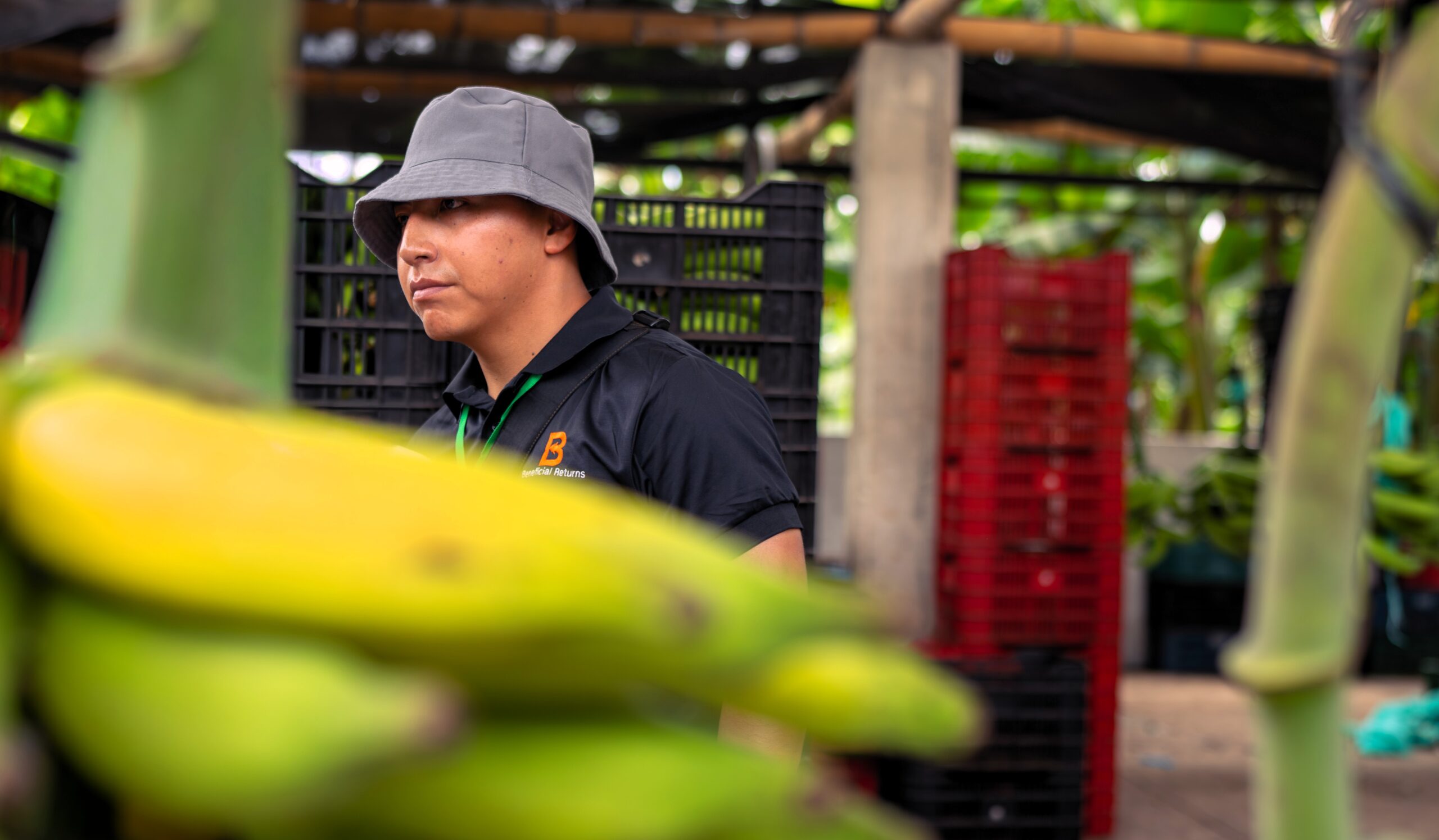
I saw another well put-together team. You have the founders with vision and experience, but also bright young people in the commercial and production teams. They are bringing new energy and ideas about how to add value to açaí products and gain market share in Colombia and internationally.

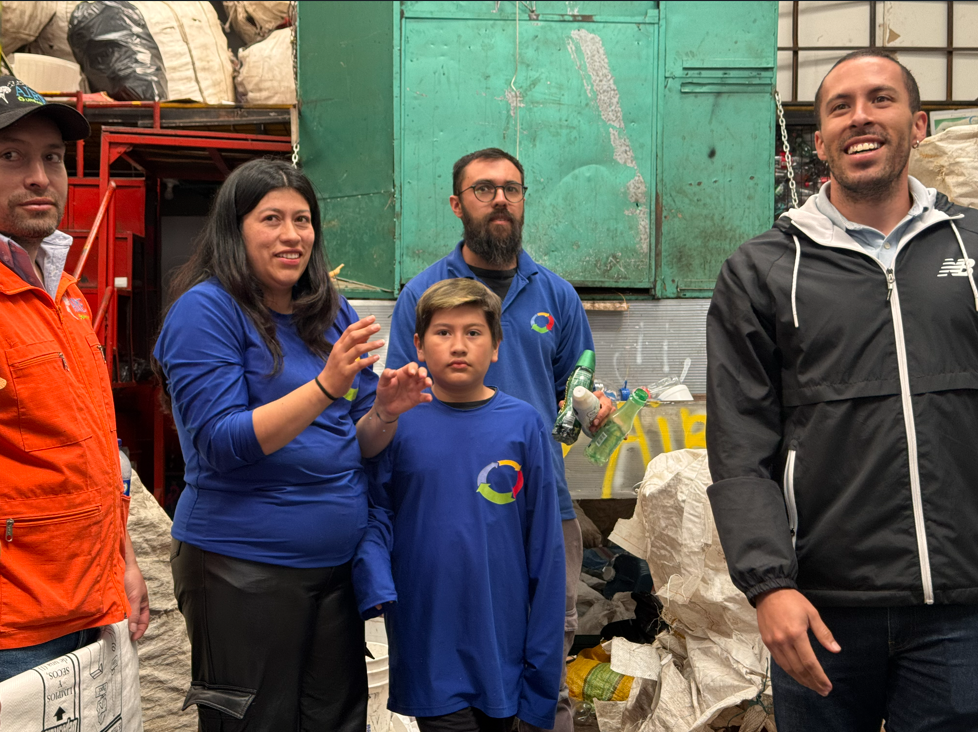
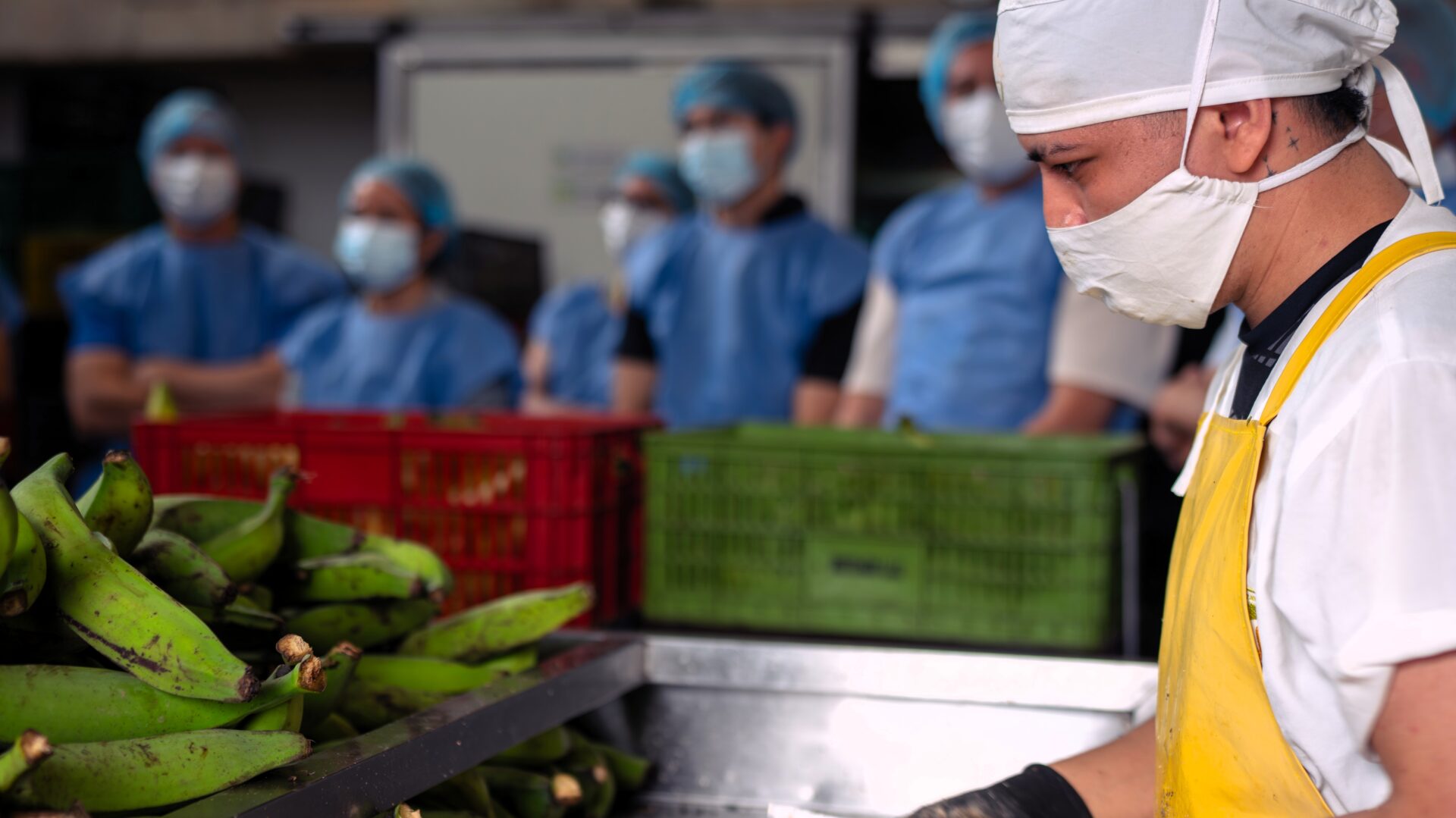
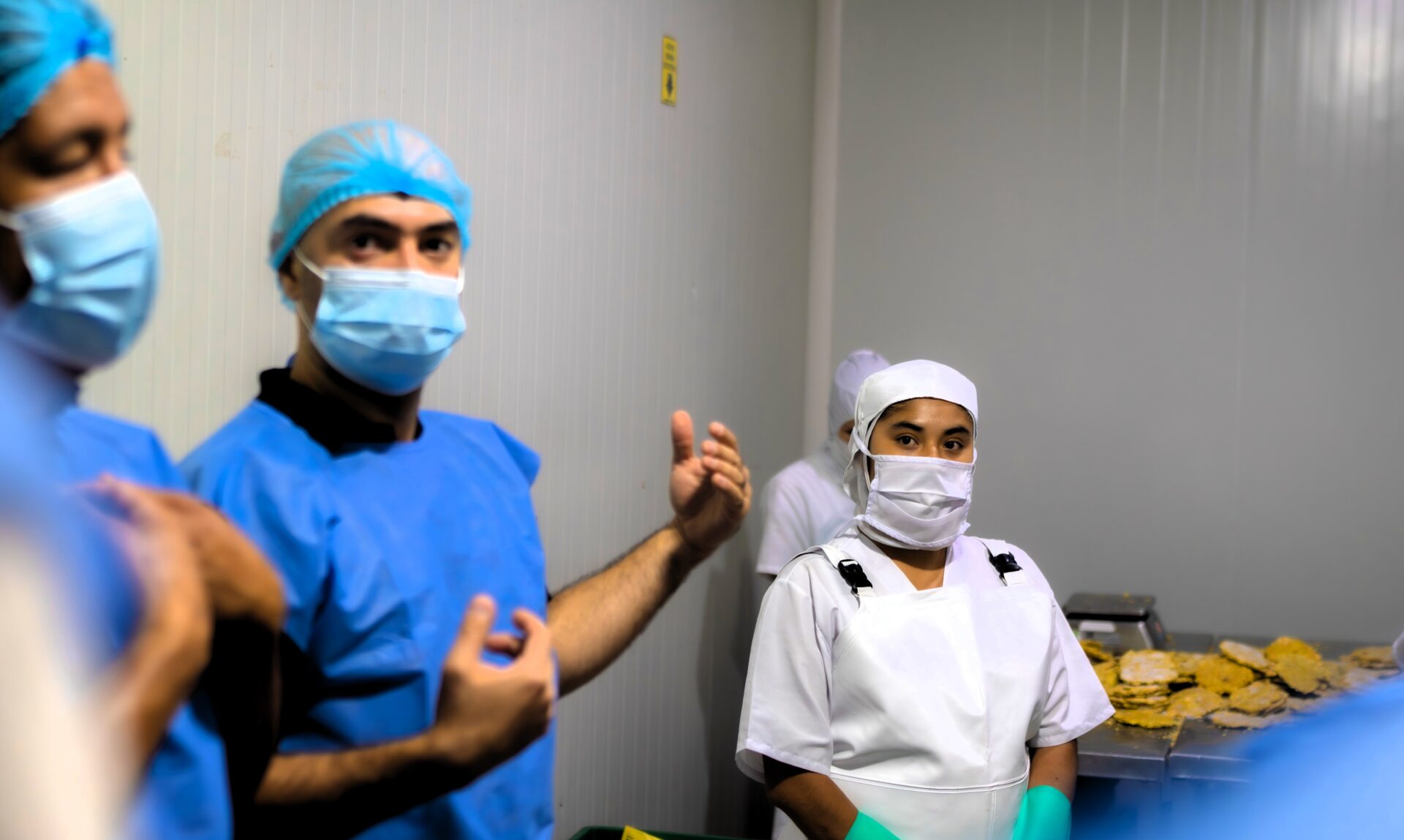
The factory itself is in a modern industrial area that was bustling with truck traffic. I visited the processing and packaging facilities, all of which looked very efficient and professional.

That seems far from the image of rural families harvesting açaí in the rainforest.

Only in the aesthetic sense, because the whole açaí value chain demands efficient and professional management. The fruit must quickly enter the cold chain to maintain its quality. Farmer cooperatives bring it out of the forest to collection points using river boats, rural roads, and cable car systems. Once aggregated and stabilised in cold storage, the açaí is transported by refrigerated truck to the plant in Bogotá, a drive of about 14 hours.

This is only possible because of the investment the founders made in running pilot projects and persuading communities that açaí was a product they could live well from, and to inspire them to replant and regenerate the land.

What was your main takeaway?

The visit was a reality check on the relevance and effectiveness of our strategy. Designing and implementing models where people and nature are thriving together is critical to boosting resilience in the face of climate change. Yet it is not the norm at all. It requires a disruptive mindset and tremendous determination to pursue these models and deliver them across the value chains and at a profit. In a nutshell: this is really challenging. When it works, it deserves great praise – and of course financial support.

What is What is açaí?

Açaí refers to the berries of the açaí palm (Euterpe oleracea), a plant native to eastern Amazonia. Long a staple food of local communities, demand for açaí foods has grown in recent decades, driven in part by the fruit’s potential health benefits.

Companies like Amapuri process the fruit into pulp or powder which can be incorporated into a wide range of food products and beverages including ice cream and desserts. It is also used in cosmetics. Hearts of palm are also harvested from the açaí palm.

Beneficial Returns targets those actors who bring triple‑bottom‑line benefits and sit in the right place in the value chain so that a single investment can enable thousands of families to benefit.
Anne Nayral de Puybusque

Programme Manager