Sustainable livelihoods

Sustainable livelihoods

We create long-term economic opportunities for communities most vulnerable to
climate change, supporting their wellbeing and financial security. We aim to enable
rural economies to adapt to climate pressures and build resilient livelihoods.

The challenge​

In many countries, small businesses form the core of local economies and their communities. However, they often struggle to thrive because of multiple barriers, including shortages of capital and know-how, and limited access to markets. 

Climate change adds to the challenge, bringing risks such as shifting temperature and rainfall patterns and extreme weather events – especially in the agricultural sector – and rising demand for low-carbon and climate-resilient products and services.

Our response

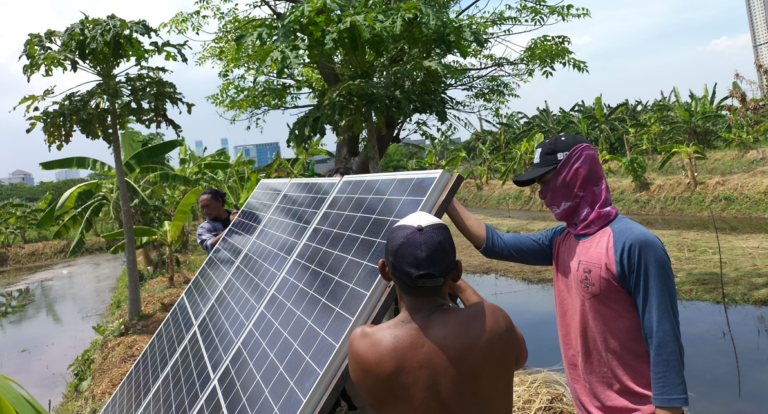
Investments in jobs, MSMEs, and access to clean energy for communities are key ingredients of a fair and just transition. These investments contribute to enhancing economic development and prosperity for all.

AdobeStock 627980571

ln developing countries, micro, small and medium Enterprises generate 33% of GDP

Trafigura Foundation Logo Solid Orange RGB

GREEN ENTREPRENEURSHIP

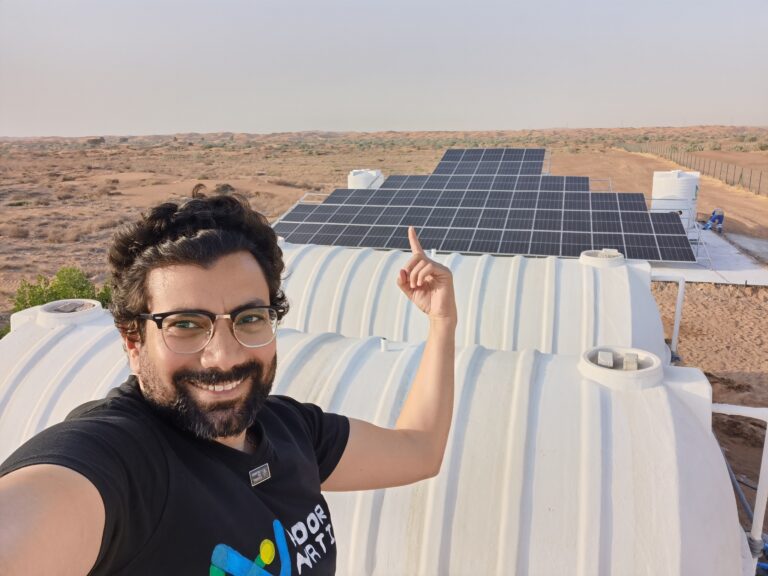
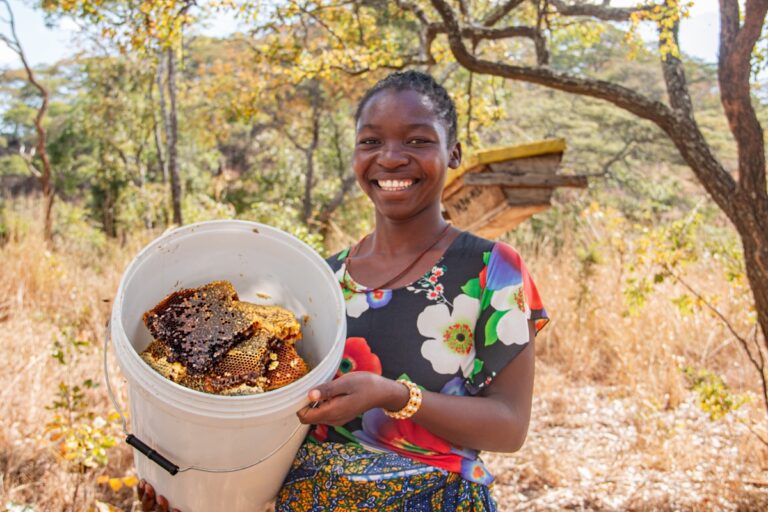
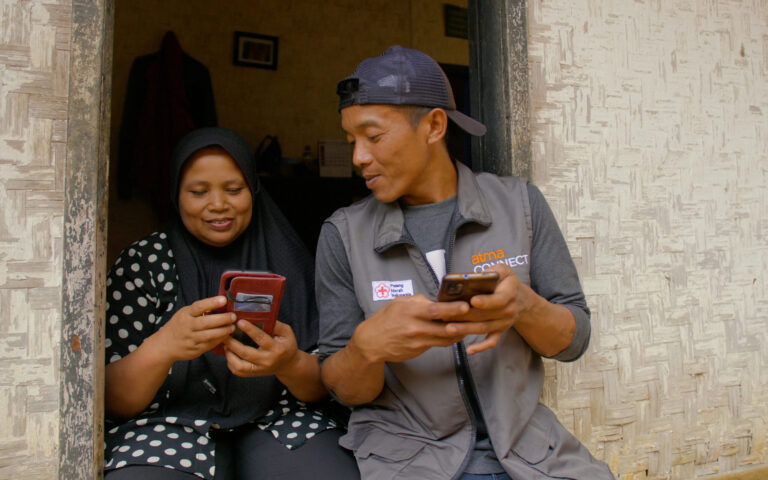
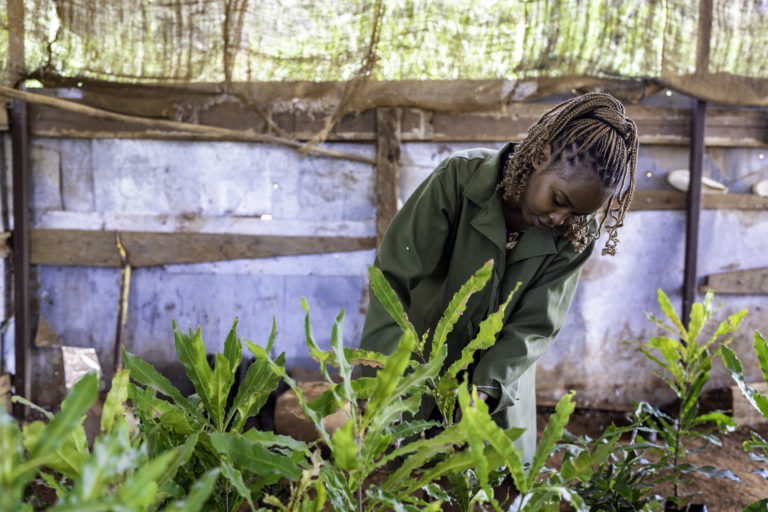
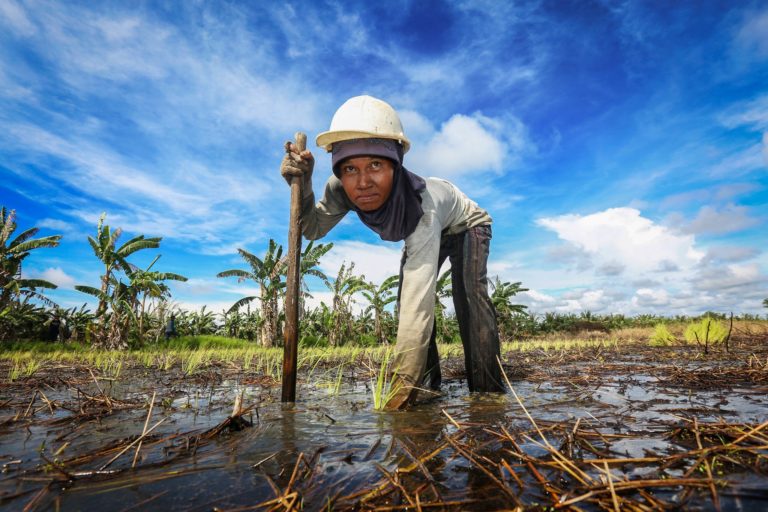
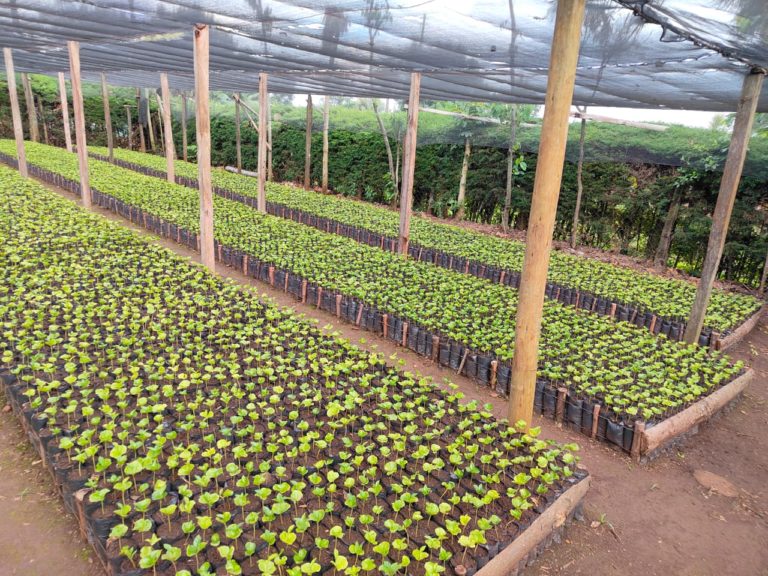
MSMEs generate as much as 33% of GDP in developing countries. They are therefore uniquely positioned to create jobs, unlock local solutions that drive climate adaptation, and build resilience to climate change.

We invest in making MSME operations more resilient to climate risks. In addition, we support MSMEs to develop and bring to market new green business and climate adaptation solutions that benefit vulnerable populations.

Frequently asked questions

What is the Sustainable livelihoods area of work?

Sustainable livelihoods is the Trafigura Foundation’s work to create long-term economic opportunities for communities most vulnerable to climate change, supporting their wellbeing and financial security and helping rural economies adapt to climate pressures.

Why focus on small businesses?

Micro, small and medium enterprises (MSMEs) generate as much as 33% of GDP in developing countries. They are uniquely placed to create jobs, unlock local climate adaptation solutions and build resilience, but often lack capital, know-how and access to markets.

What does the Foundation fund in this area?

Investments that make MSME operations more resilient to climate risks, and support for MSMEs to develop and bring to market green business and climate adaptation solutions that benefit vulnerable populations. Jobs, MSMEs and access to clean energy are treated as key ingredients of a fair and just transition.

Which partners work on Sustainable livelihoods?

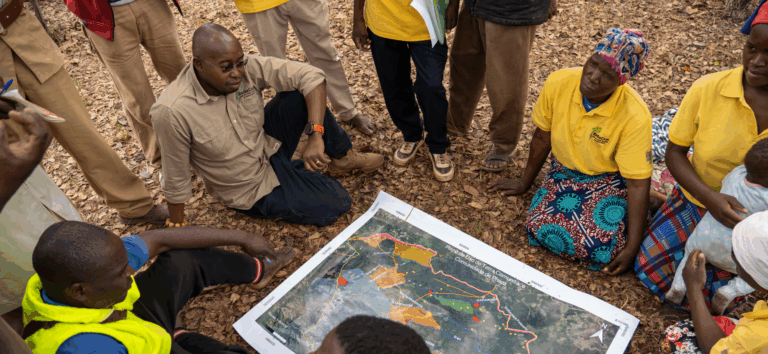
Examples include COMACO in Zambia, Nuru in West Africa, New Energy Nexus in Indonesia, Nigeria and Pakistan, and Root Capital.