Insight

12/05/2025

Field Visit: Inspecting the Mechanics of Coral Reef Conservation

Senior Programme Manager Nina Saalismaa travelled to Indonesia to see how the Wildlife Conservation Society (WCS) is using the Foundation’s support to protect ecosystems and build sustainable livelihoods in the coral-rich Sulu-Sulawesi Seascape, which also includes parts of Malaysia and the Philippines.
Why was this the right moment to visit the WCS project?

The partnership with WCS is our first focused on marine areas, so the field trip was an opportunity to deepen our knowledge in this area, especially regarding coral reefs. After two years, it was also a good moment to take stock and see what lessons have been learned. This will help us as we move forward with the programme and look for synergies with other parts of our portfolio, including our new partnership with Blue Alliance to protect coastal ecosystems in East Africa as well as Southeast Asia.

You took time on the first day to meet government officials in North Sulawesi Province. What did you learn?

I got a first-hand appreciation of the critical importance of close coordination and mutual support among key stakeholders and the value of WCS’s strong relationships with the relevant authorities in the region.

One of the programme’s main goals is strengthening the effectiveness of marine protected areas (MPAs). In Indonesia, that means improving the management of MPAs of different types, administered by different government authorities and other entities, some of which may lack specific expertise in marine ecosystems. I also learned about efforts to overcome administrative hurdles to allow MPA authorities to generate and utilise their own income, which could help ensure conservation gains are enduring.

These examples illustrate the complexity facing WCS and the authorities as they collaborate on key activities such as building institutional capacity, engaging with local communities, and carrying out research to understand and monitor the condition of coastal ecosystems.

Meeting with the North Sulawesi Natural Resources Conservation Agency, BKSDA

Plastic pollution is a growing problem in Marine Protected Areas.

What was your first on-the-ground experience of the protected areas?

The Foundation supports the work of WCS in the Sitaro MPA. For logistical reasons, I visited North Minahasa MPA, which is closer to the northern tip of Sulawesi Island. Both were established in 2023 and are at a similar stage of development.

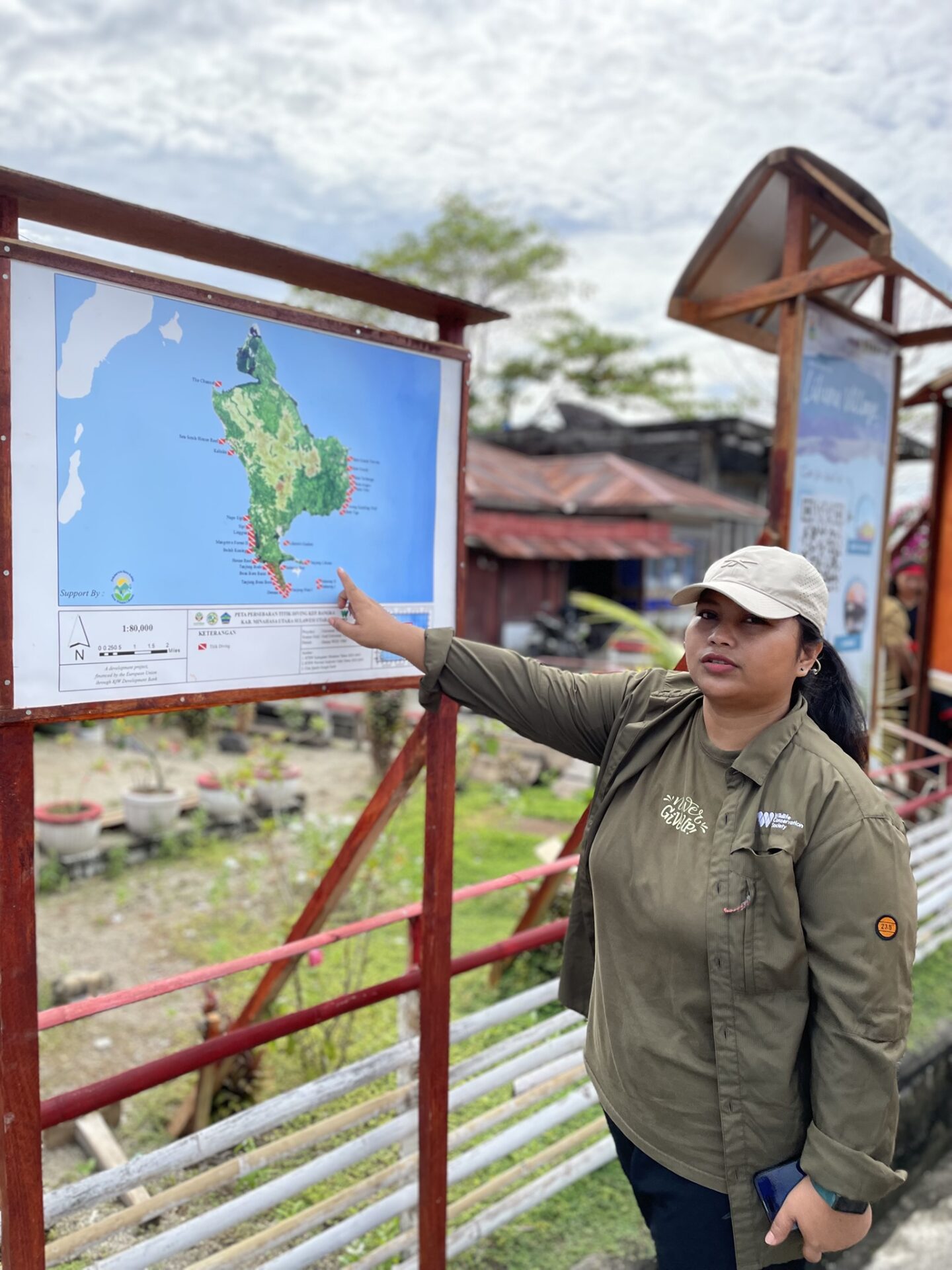
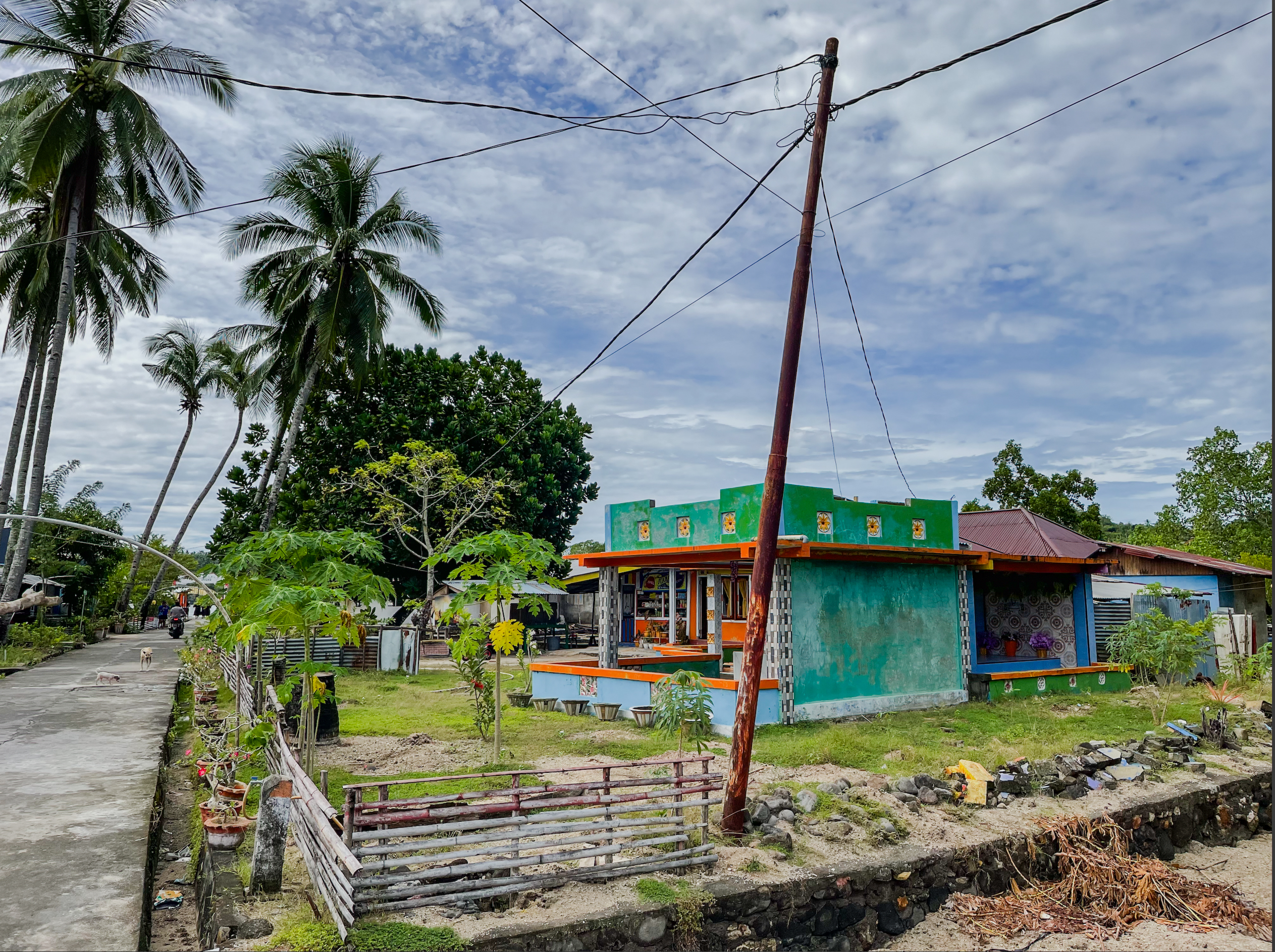
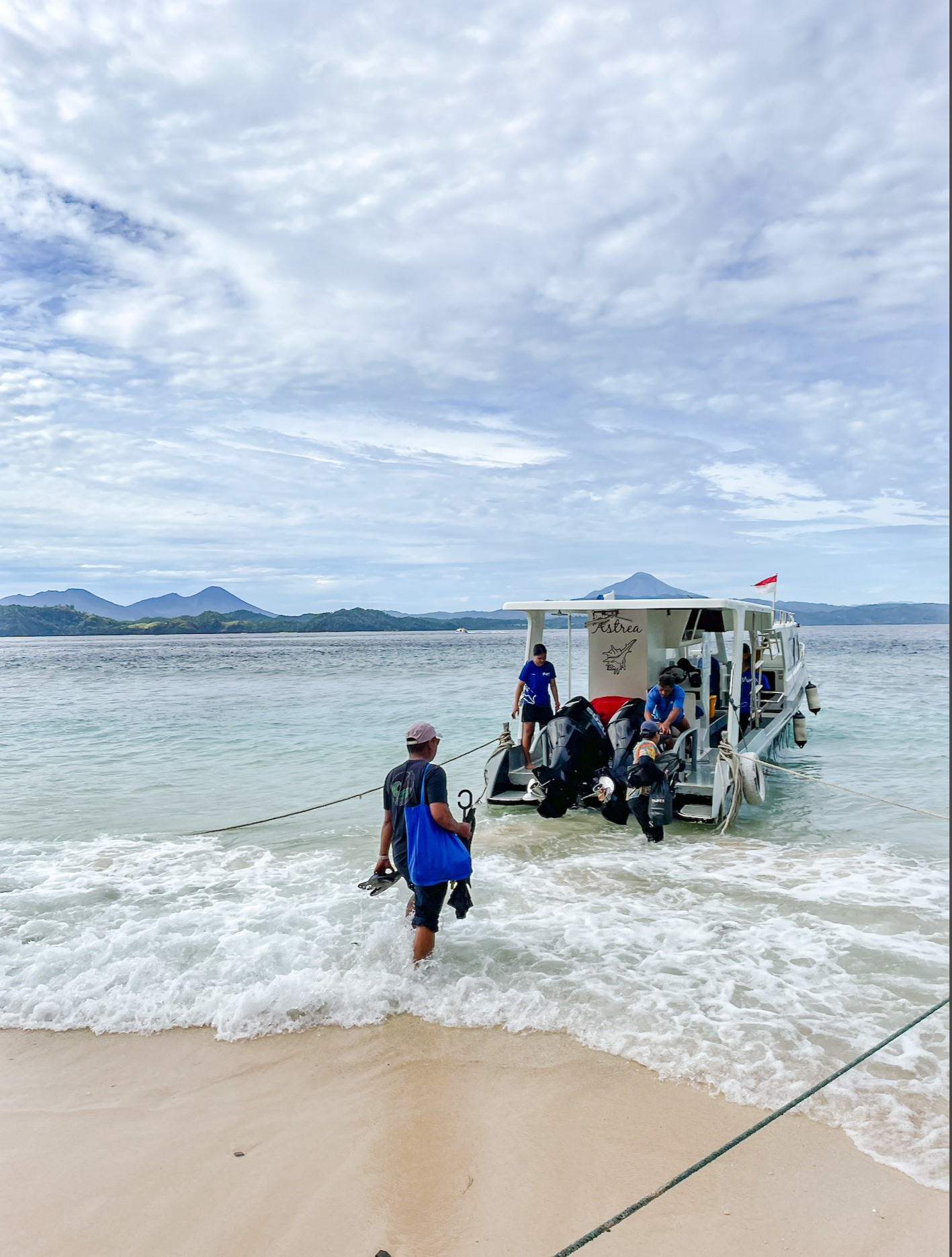
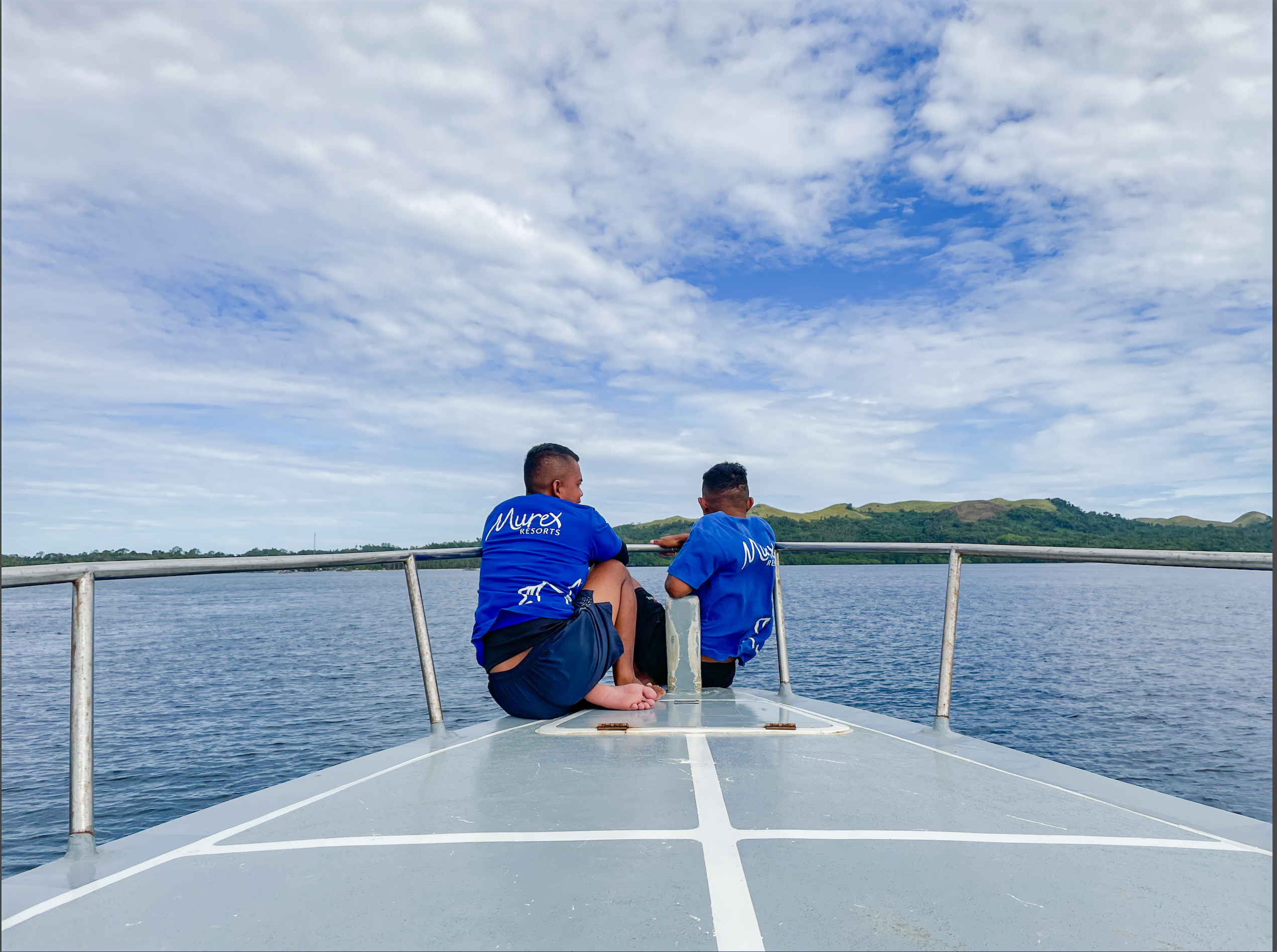
I travelled by boat to Lihunu, a village on Bangka Island, to see how the MPA is creating eco-tourism opportunities for local communities. With support from WCS in areas such as product development and marketing, some people in the village have begun offering homestays or guided treks into the interior of the island. The village has also designated an area near the shore as a marine sanctuary where local fishers take visitors on snorkelling tours.

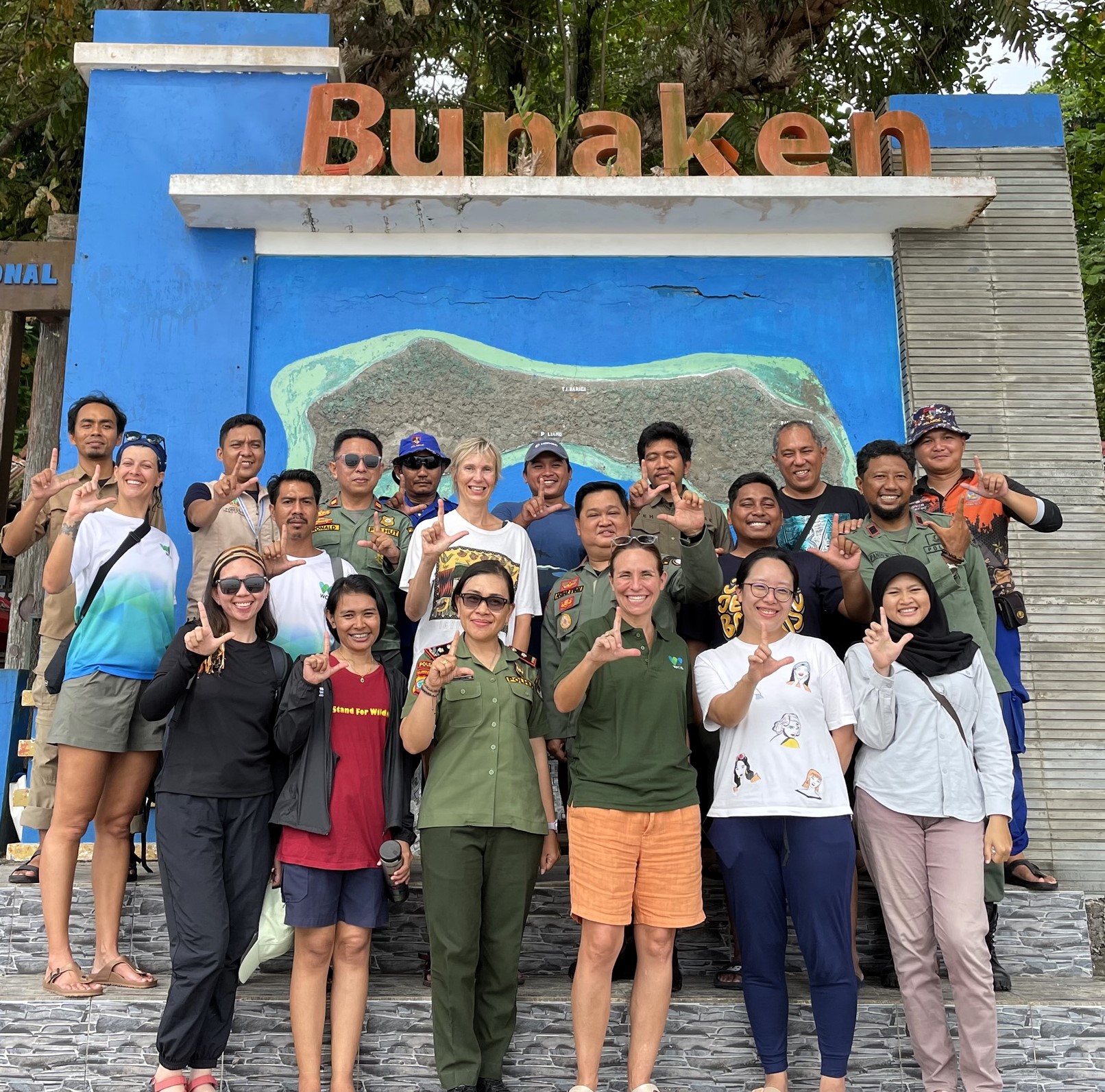
Later, in the Bunaken National Park, I met with a group of enthusiastic young women and men who have formed the Tongkaina Ecotourism Guide Club (TEGC). Through the programme, they have received training in business management and the principles of ecotourism and been able to acquire two kayaks.

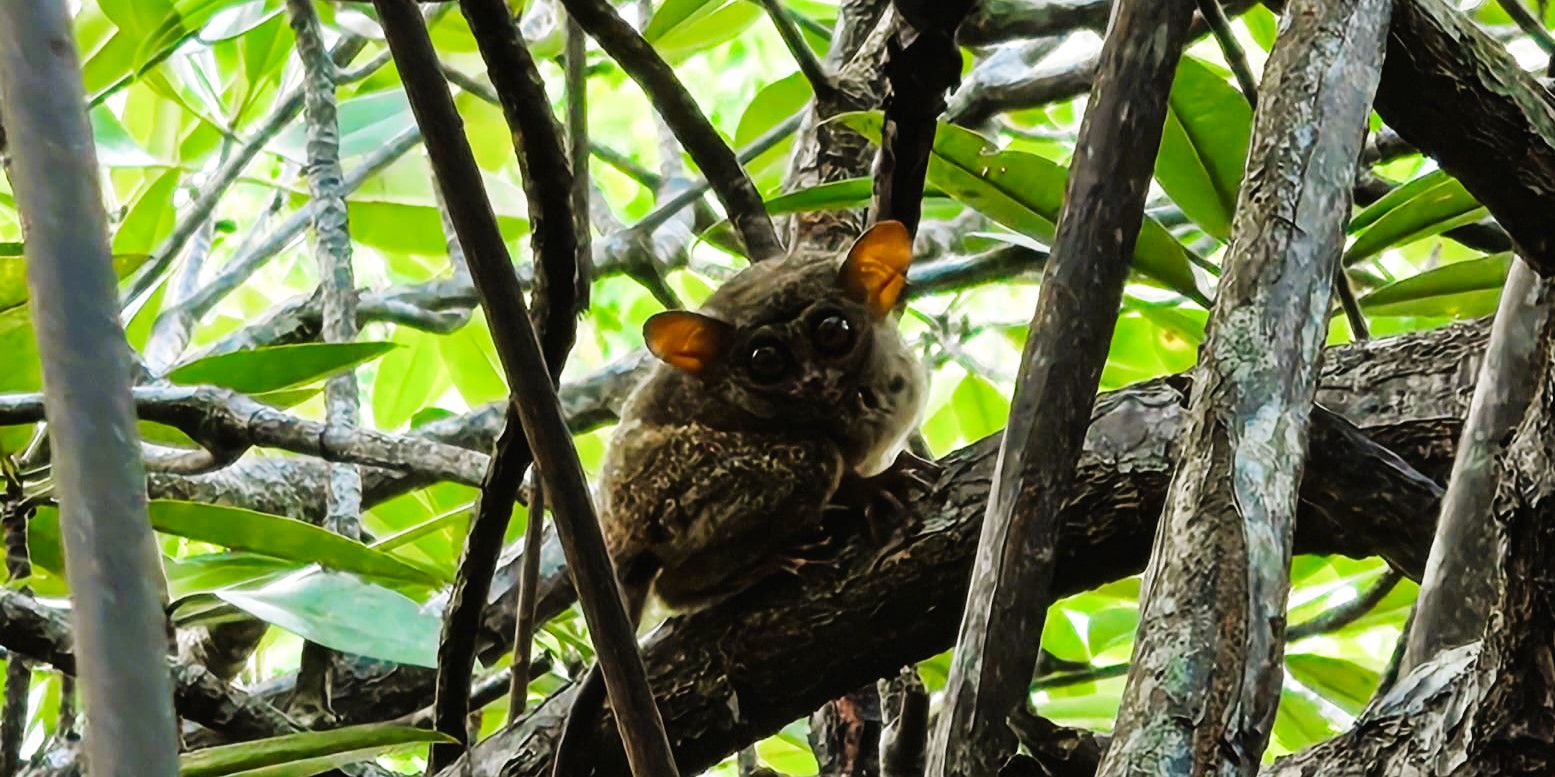
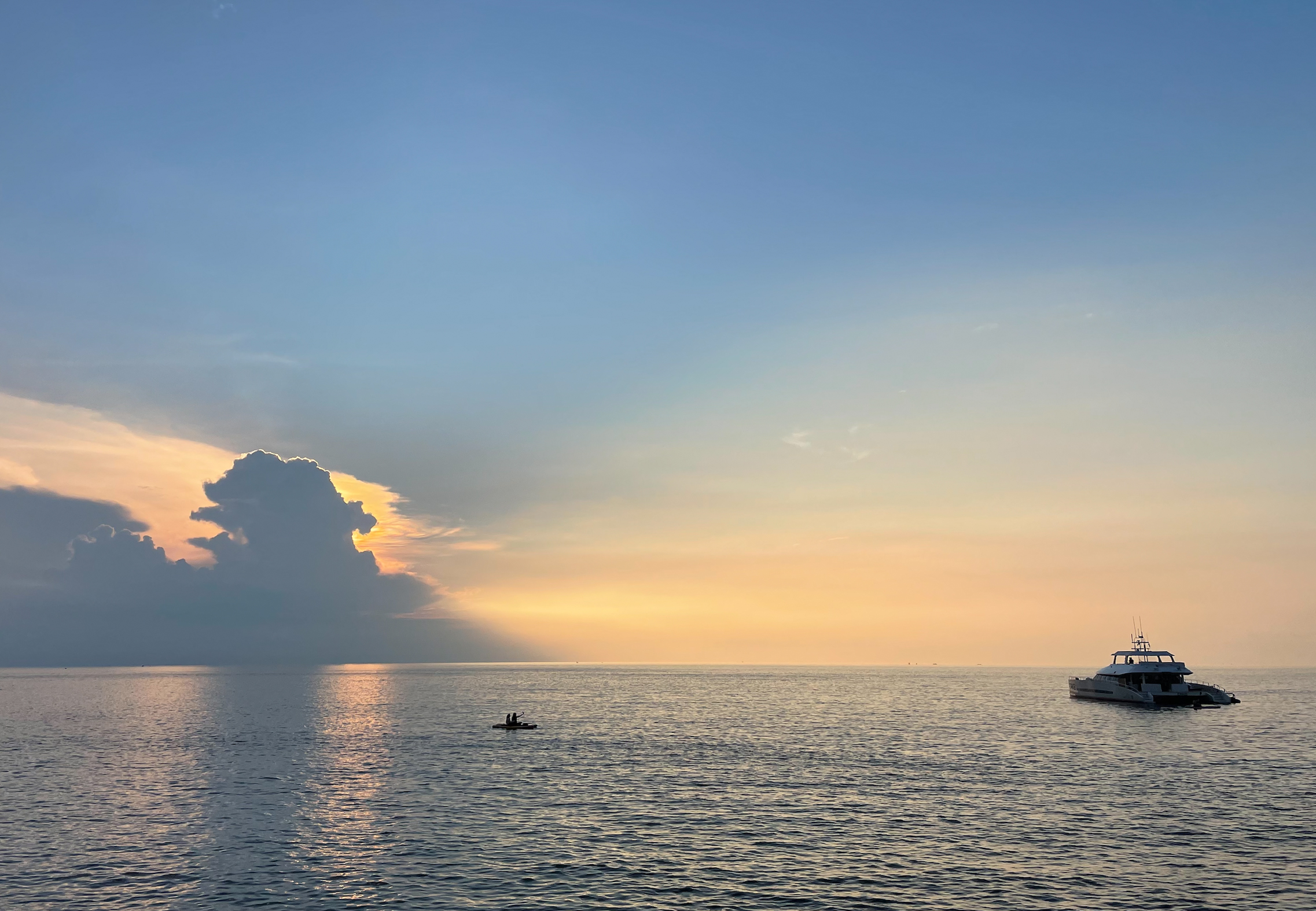
They took me to see tarsiers, a tiny, cute-looking primate living in the mangroves nearby. I was there around sunset and it’s a beautiful spot, not far from a large hotel. I was not surprised when the guides said they are finding more and more international customers.

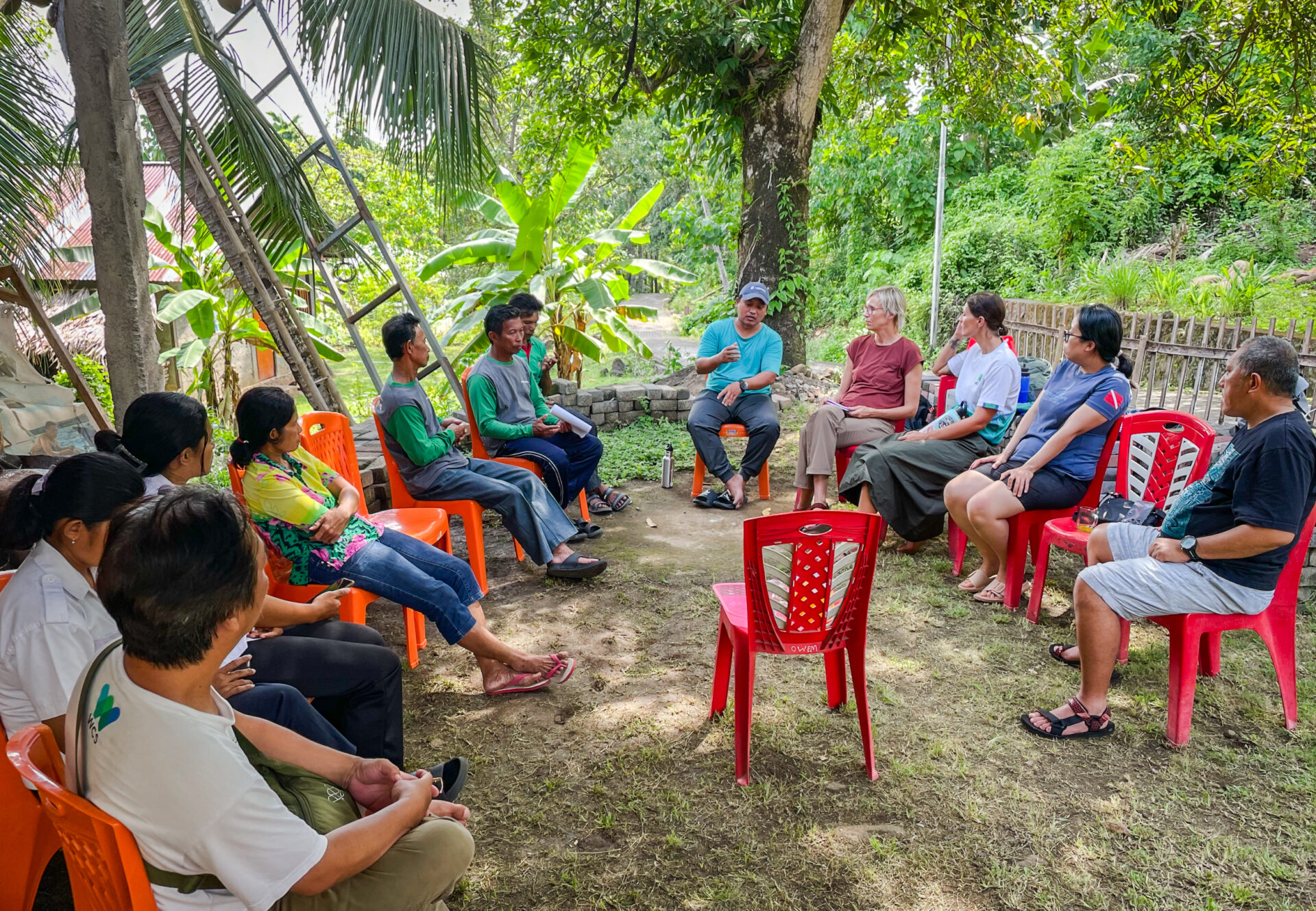
Discussion with the local tourism awareness group (Pokdarwis) in Lihunu village

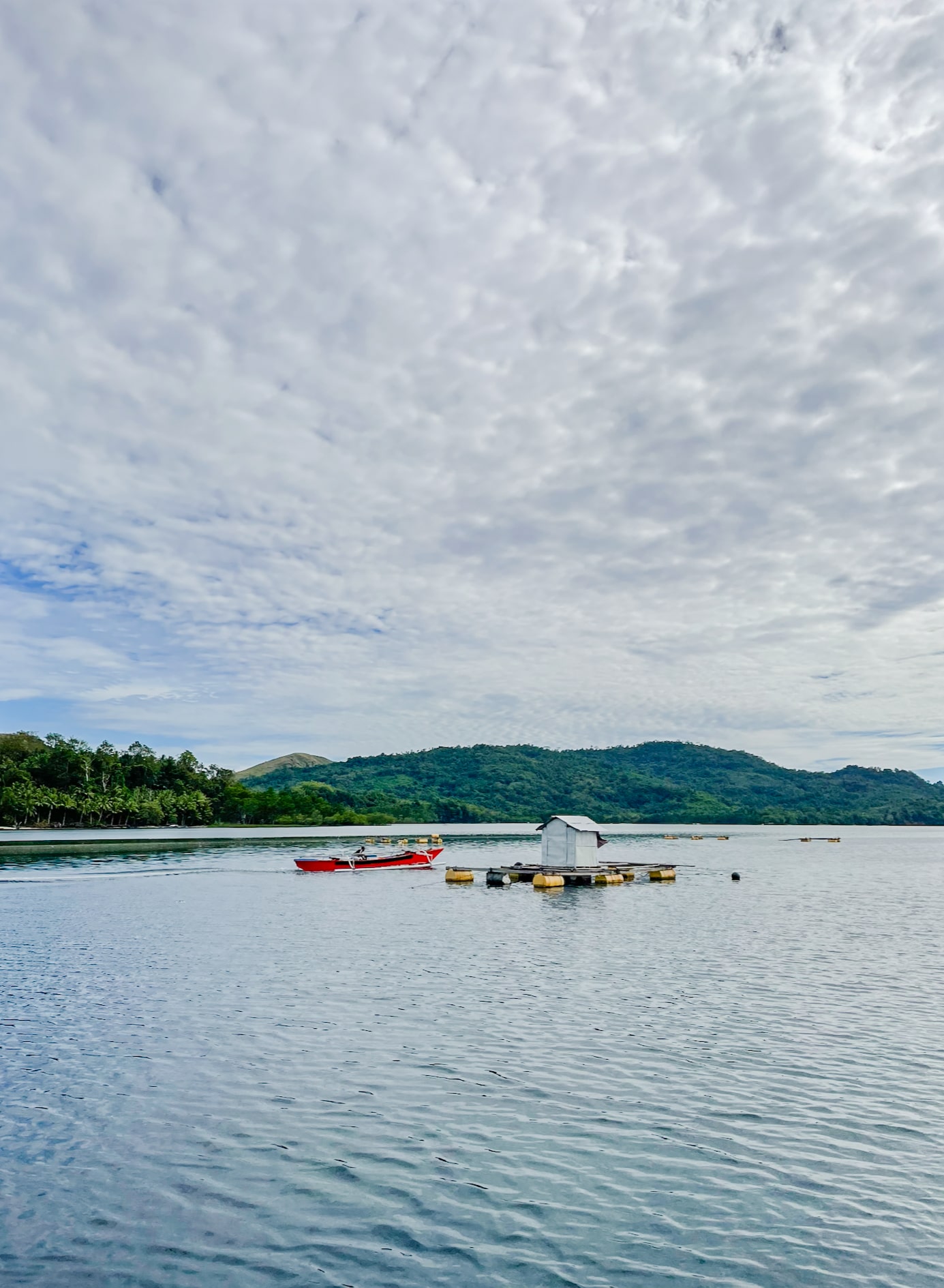
Fishing installations at Lihunu village

Did you also see the underwater component?

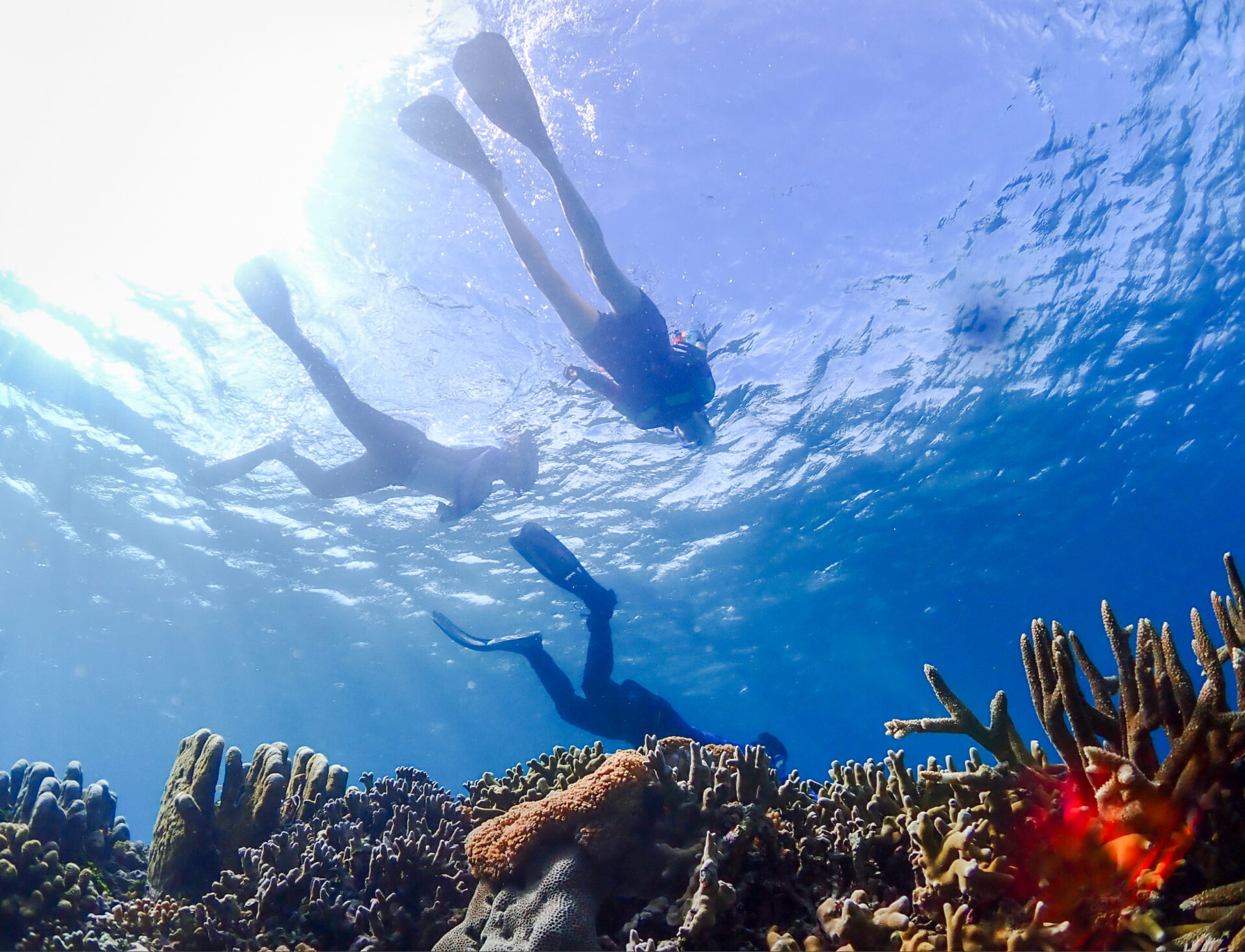
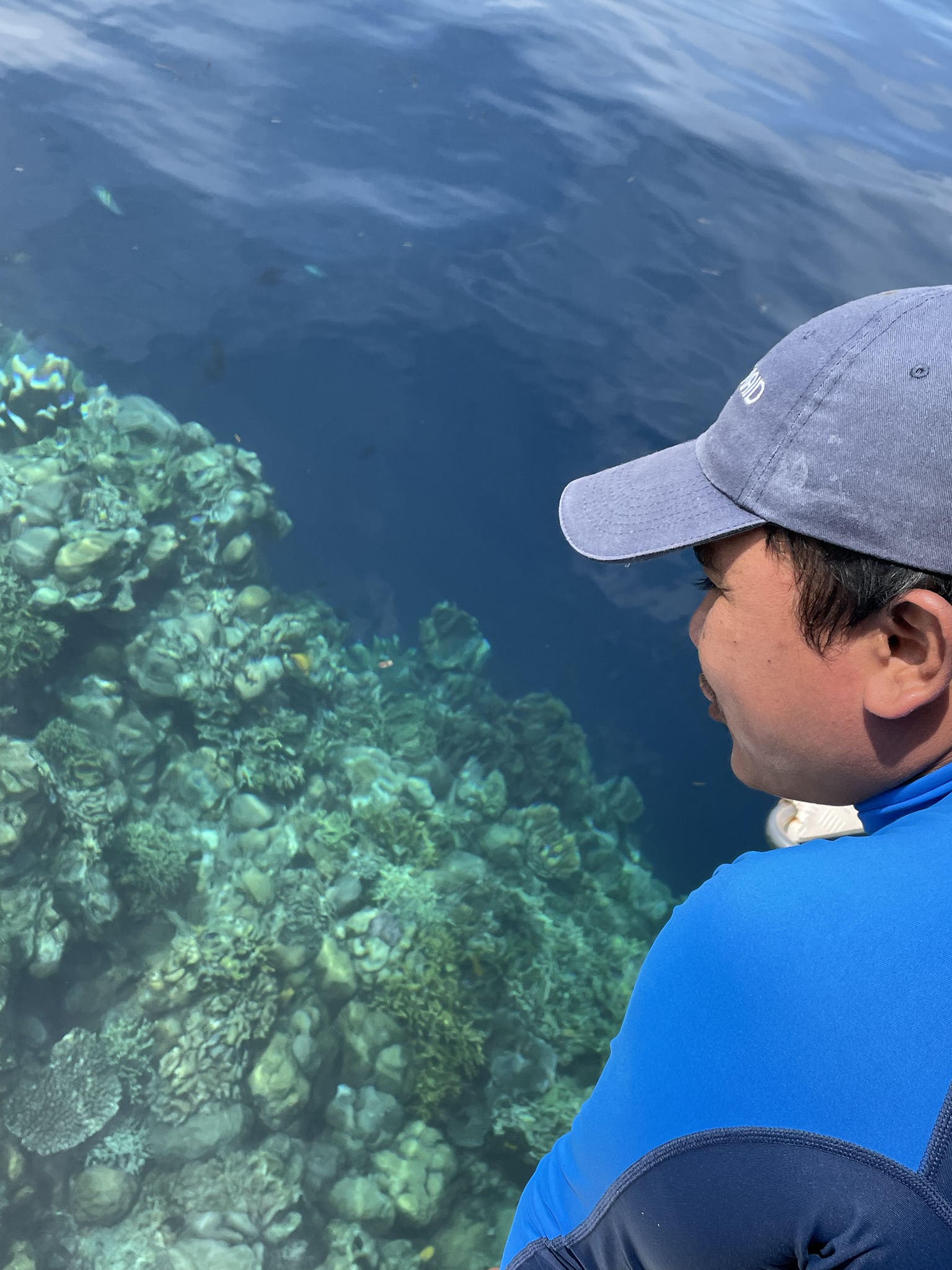
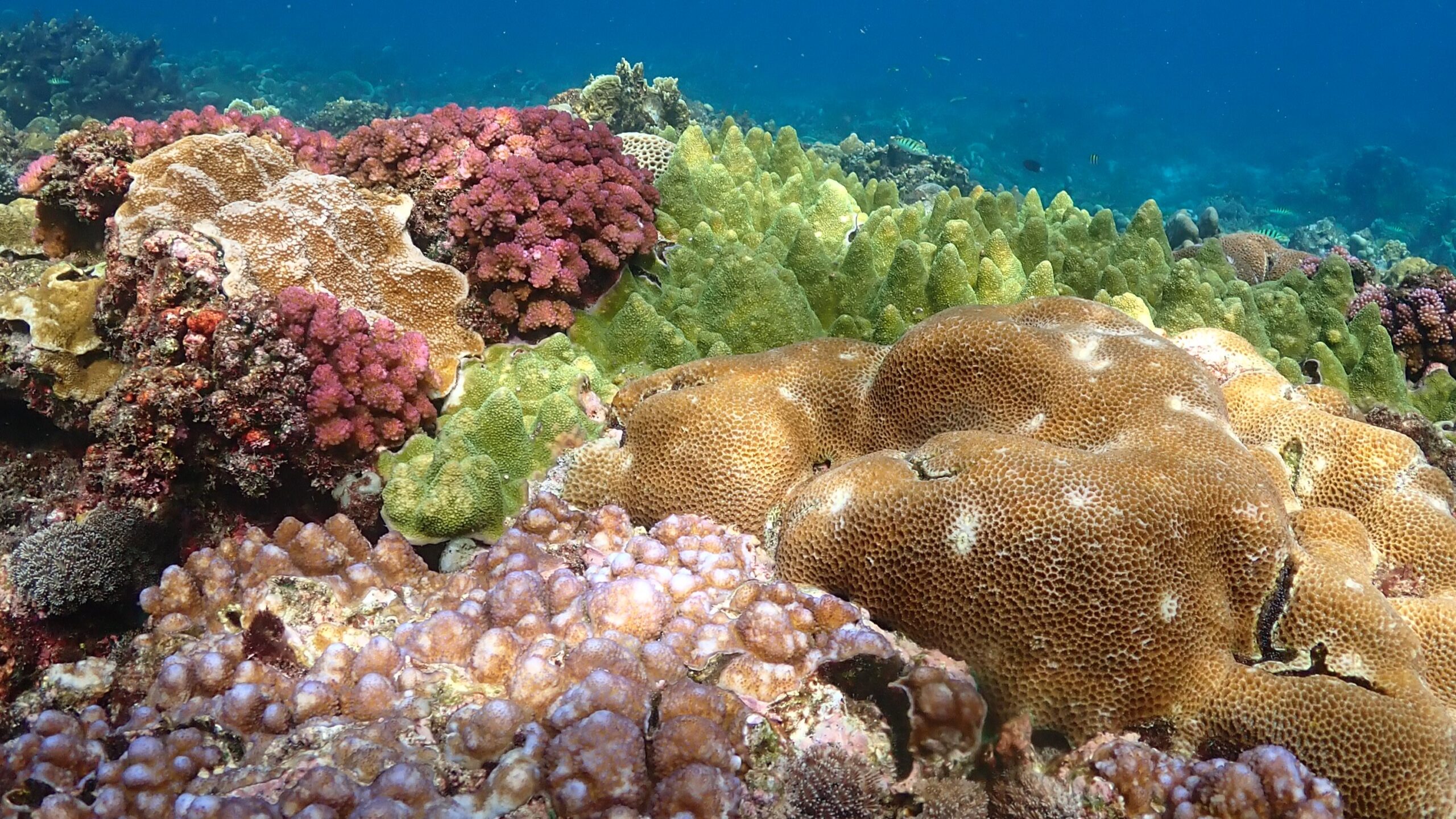
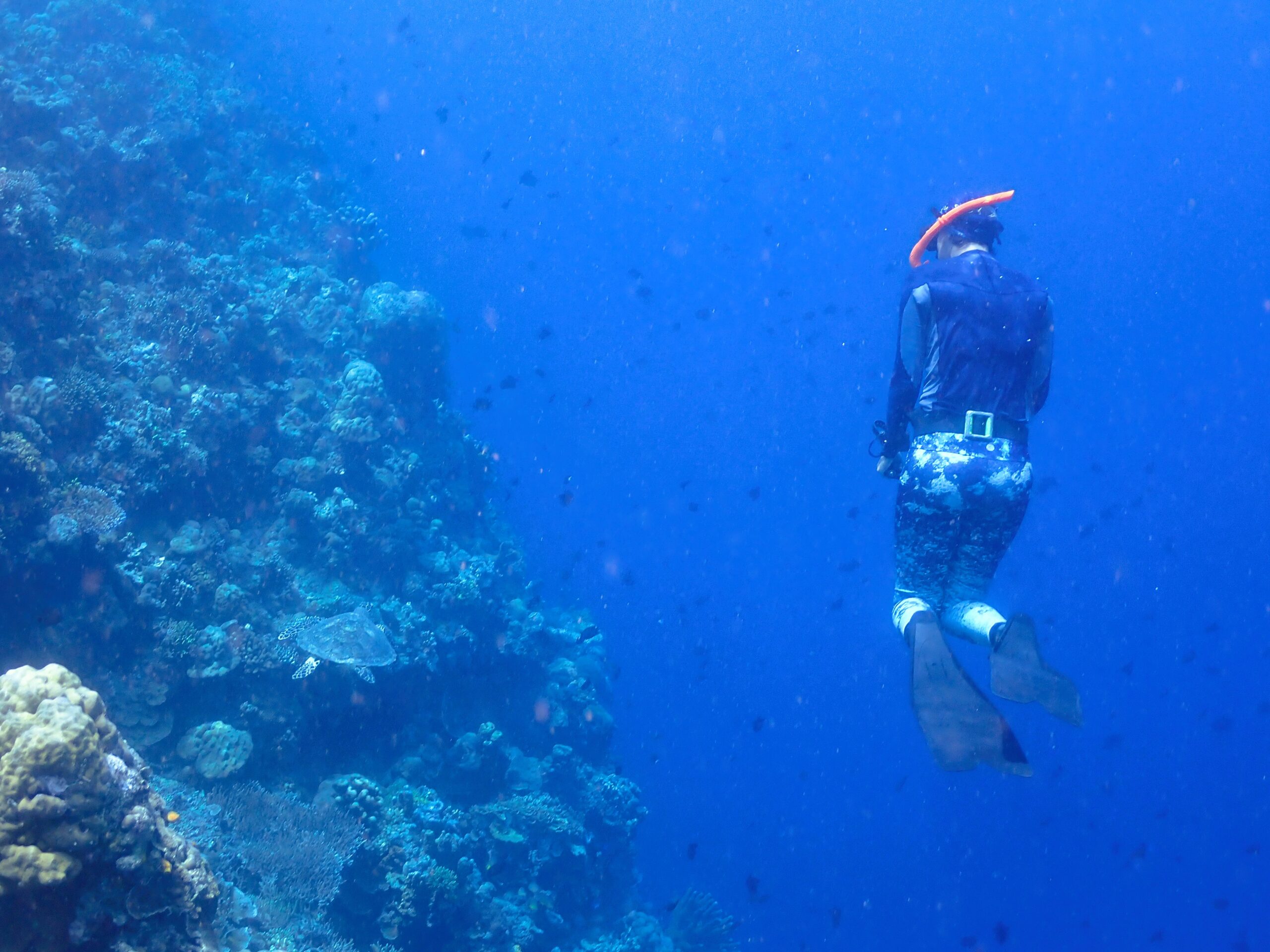
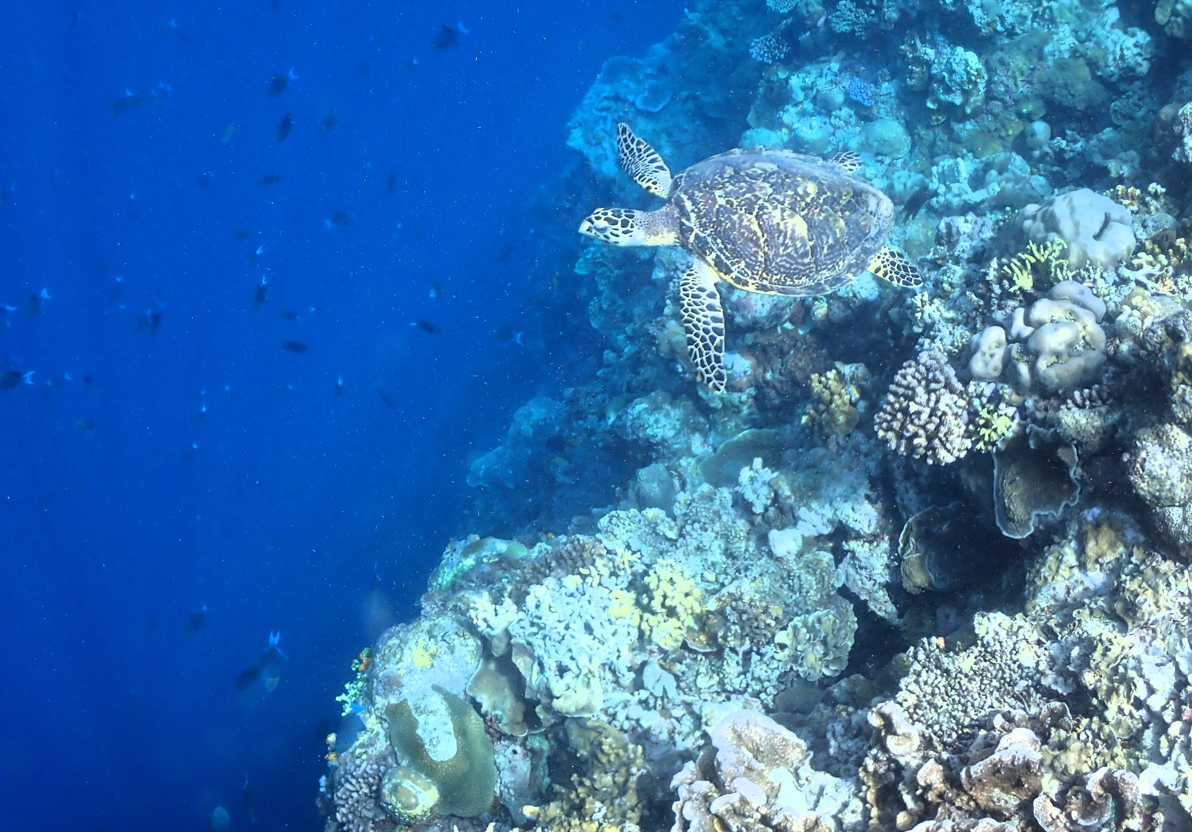
I accompanied teams on monitoring exercises in both the MPA and the national park. That gave me the chance to slip into the warm water with a mask and snorkel and witness the incredible wildlife that the region’s reefs support.

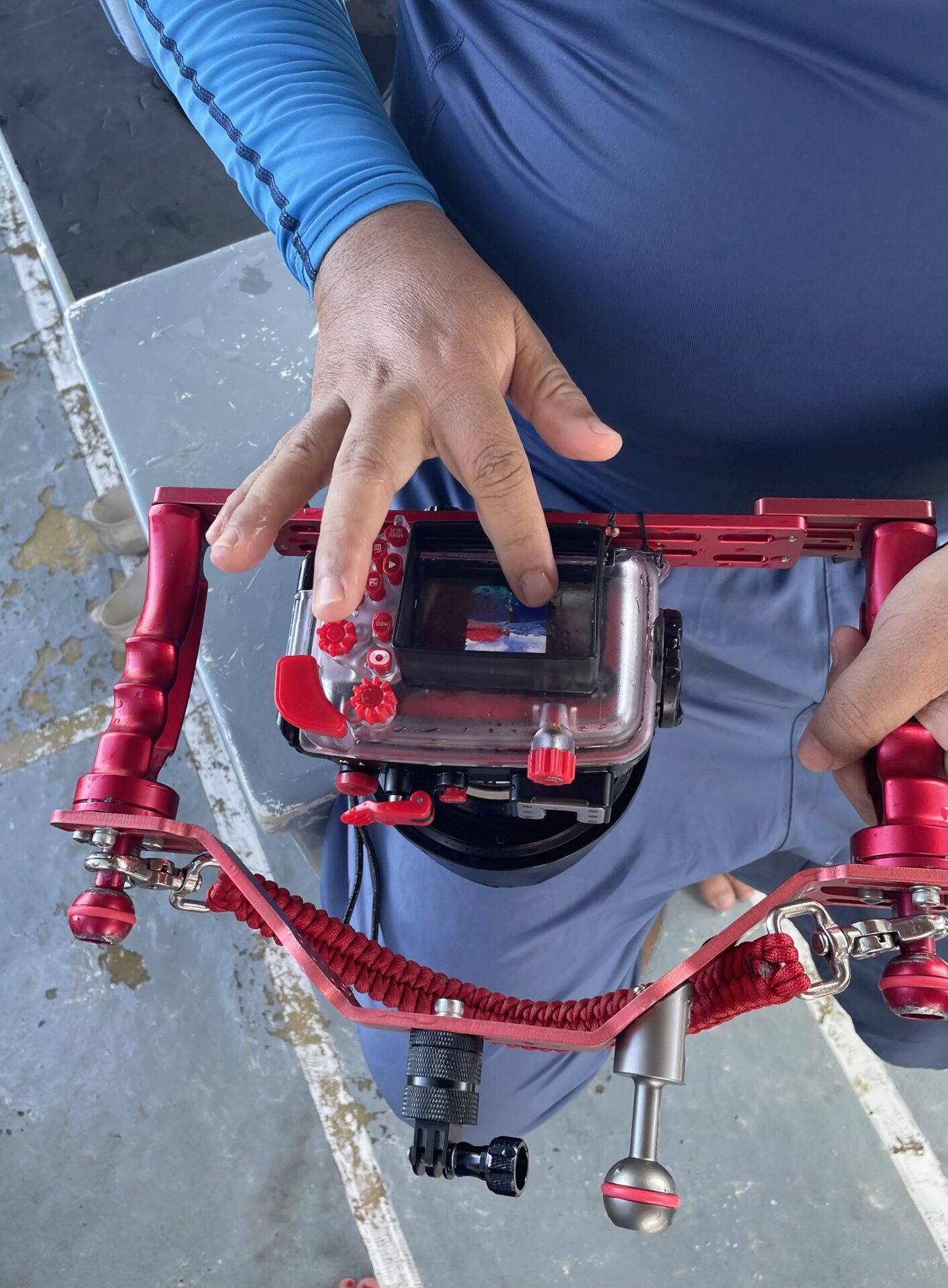
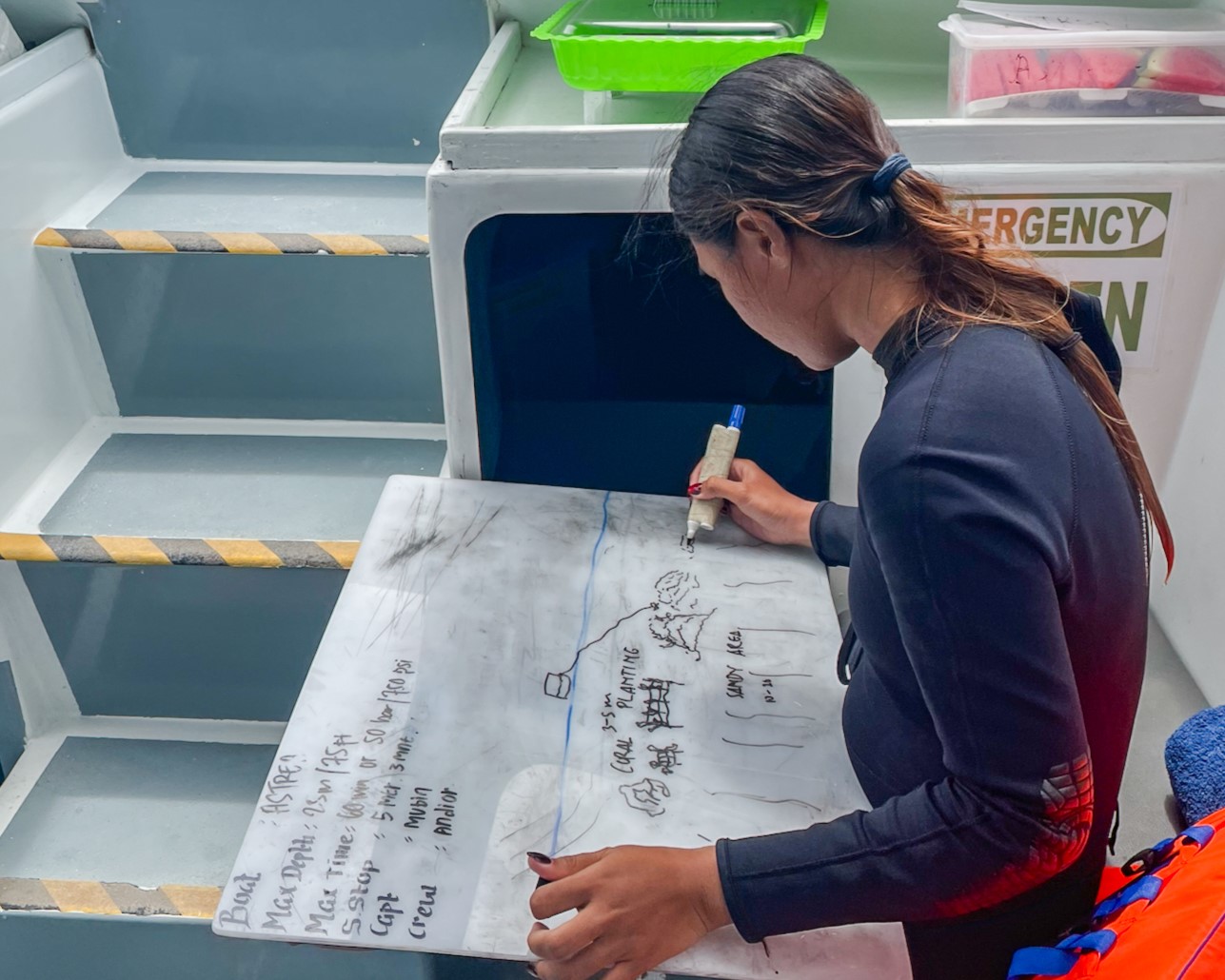
The monitoring is done in collaboration with staff from the MPA authorities and other local partners including academic institutes who are receiving training in this field as part of the project. The teams travel to set locations on a regular schedule and take underwater photos for later analysis, also using AI, to identify the species of coral, fish and so on.

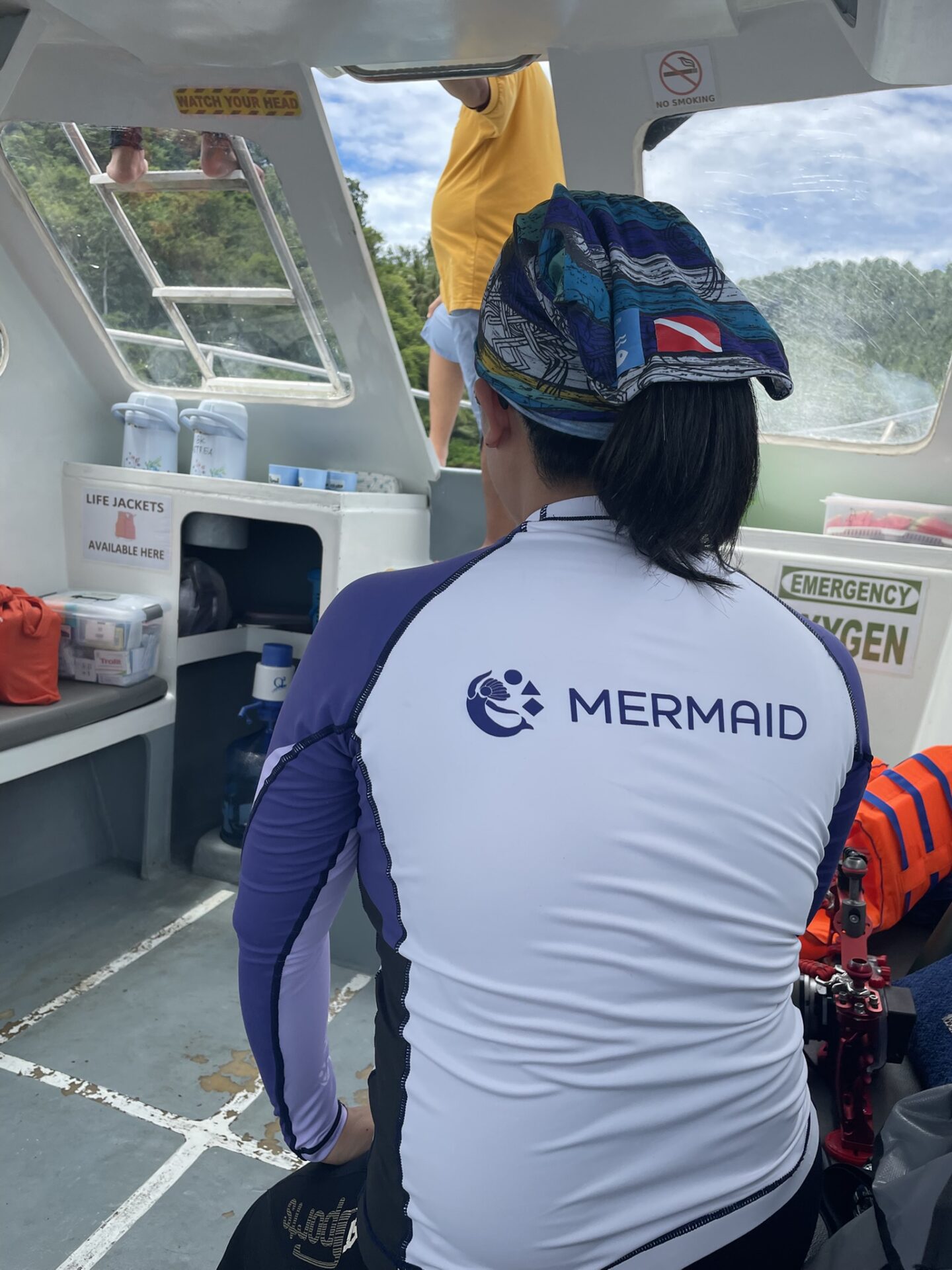
The data flows into the MERMAID platform that WCS and partners have developed to track the health of reefs. The project is using the results to identify reefs that are more resilient to climate change impacts so they can be prioritised for conservation. In this way, it is helping to provide a scientific basis to guide decisions on the management of existing MPAs and the location of new ones.

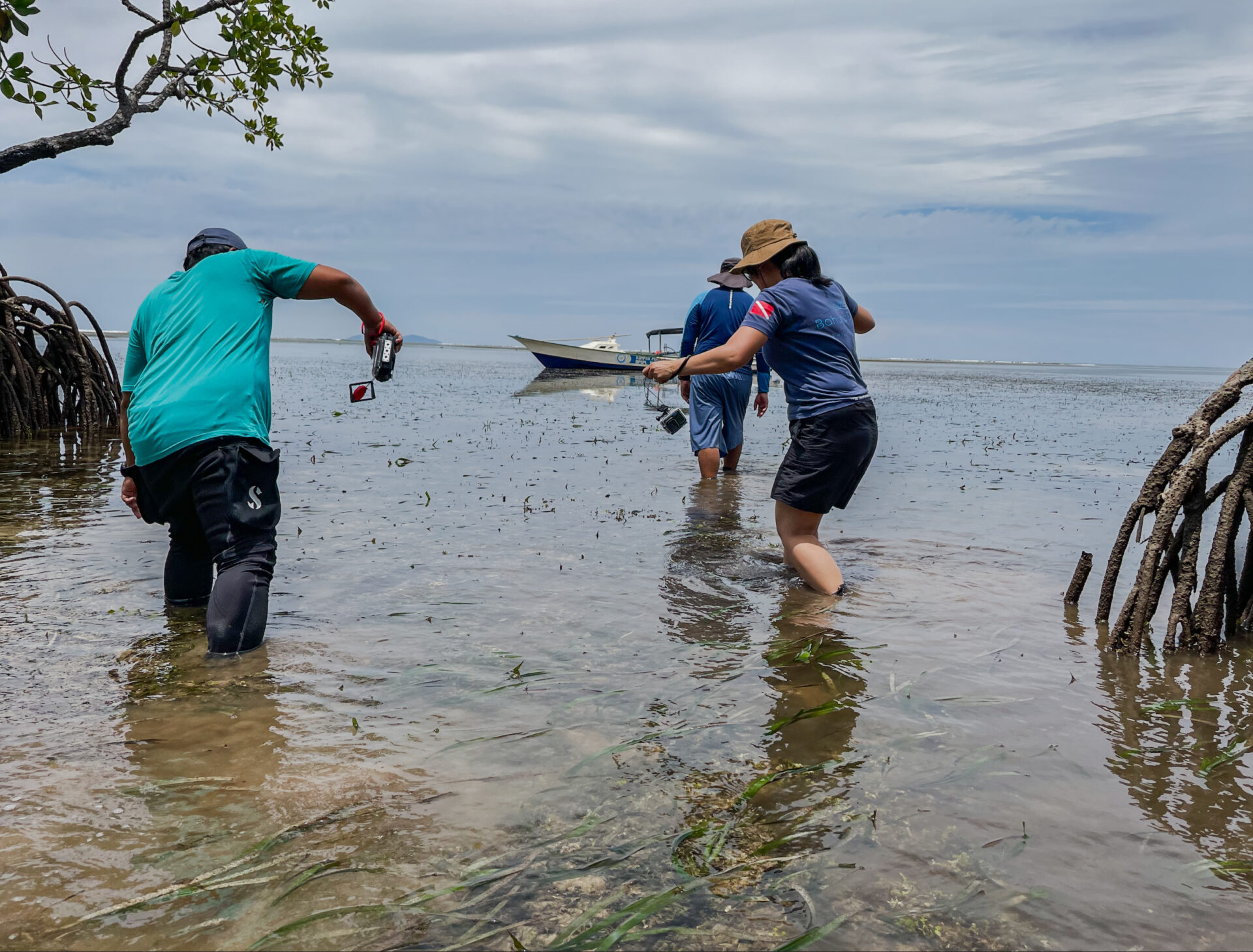
Coral reef monitoring in North Minahasa MPA, with data feeding into the MERMAID platform

Rangers on a surveillance patrol in Bunaken National Park

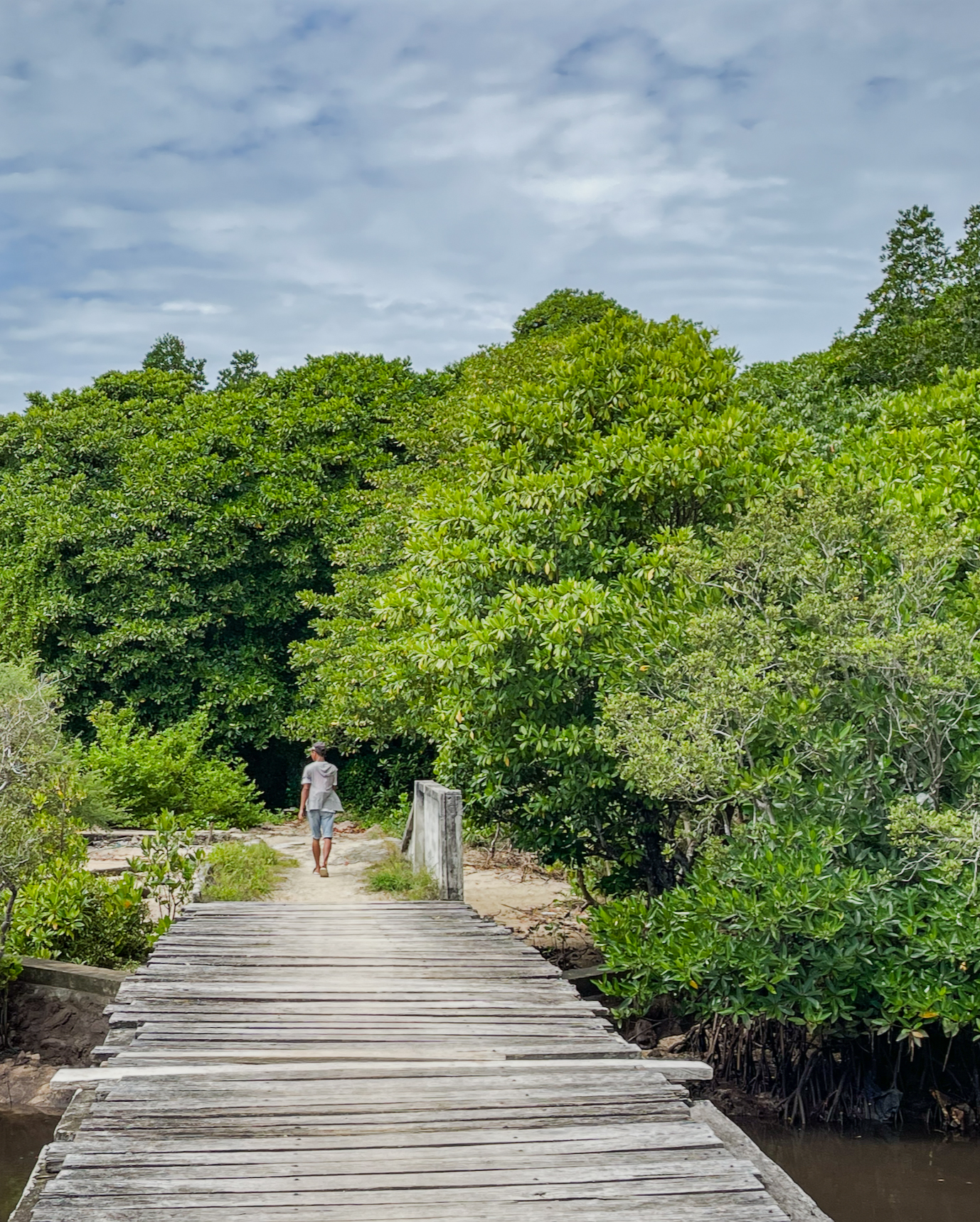
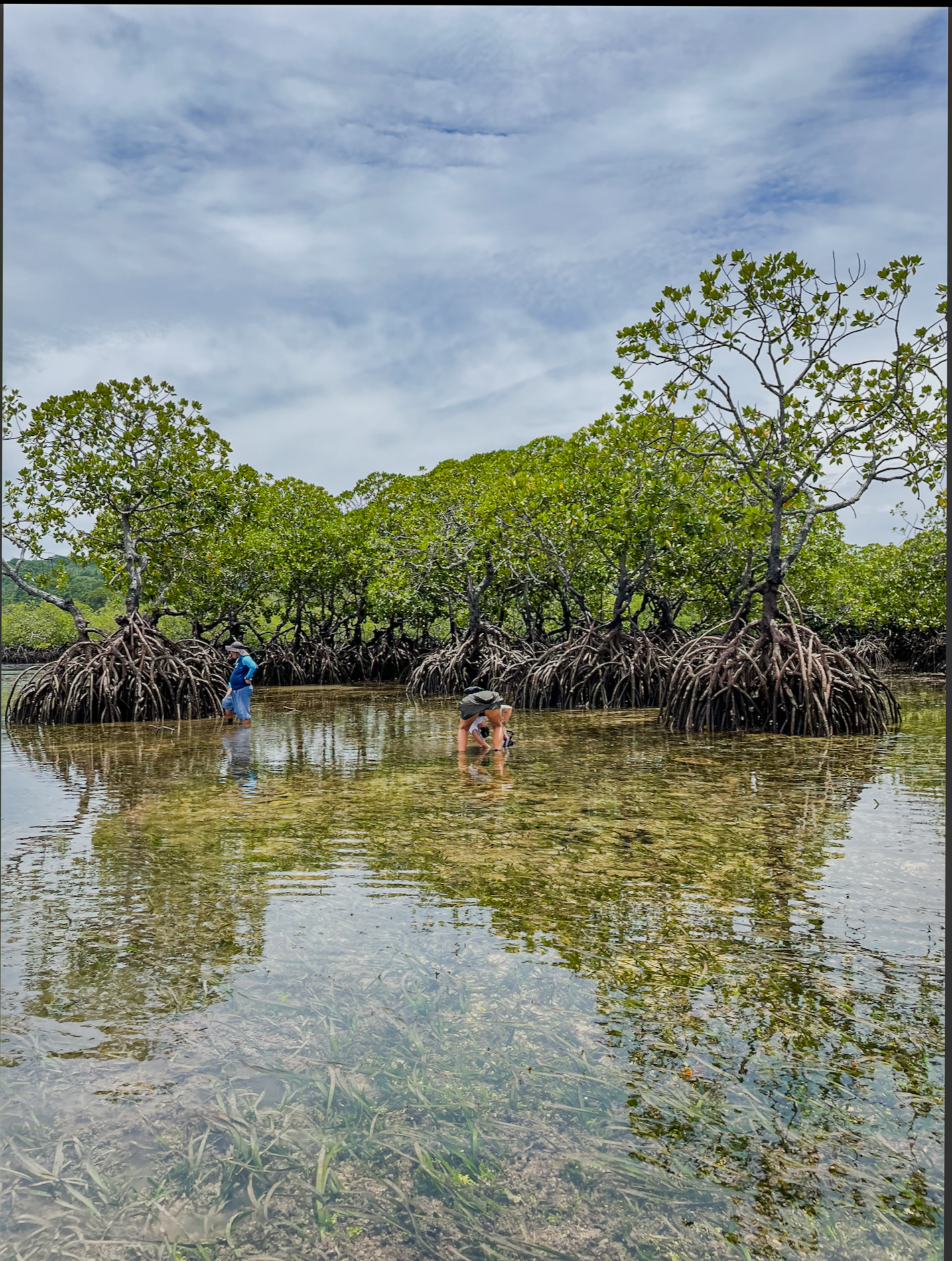
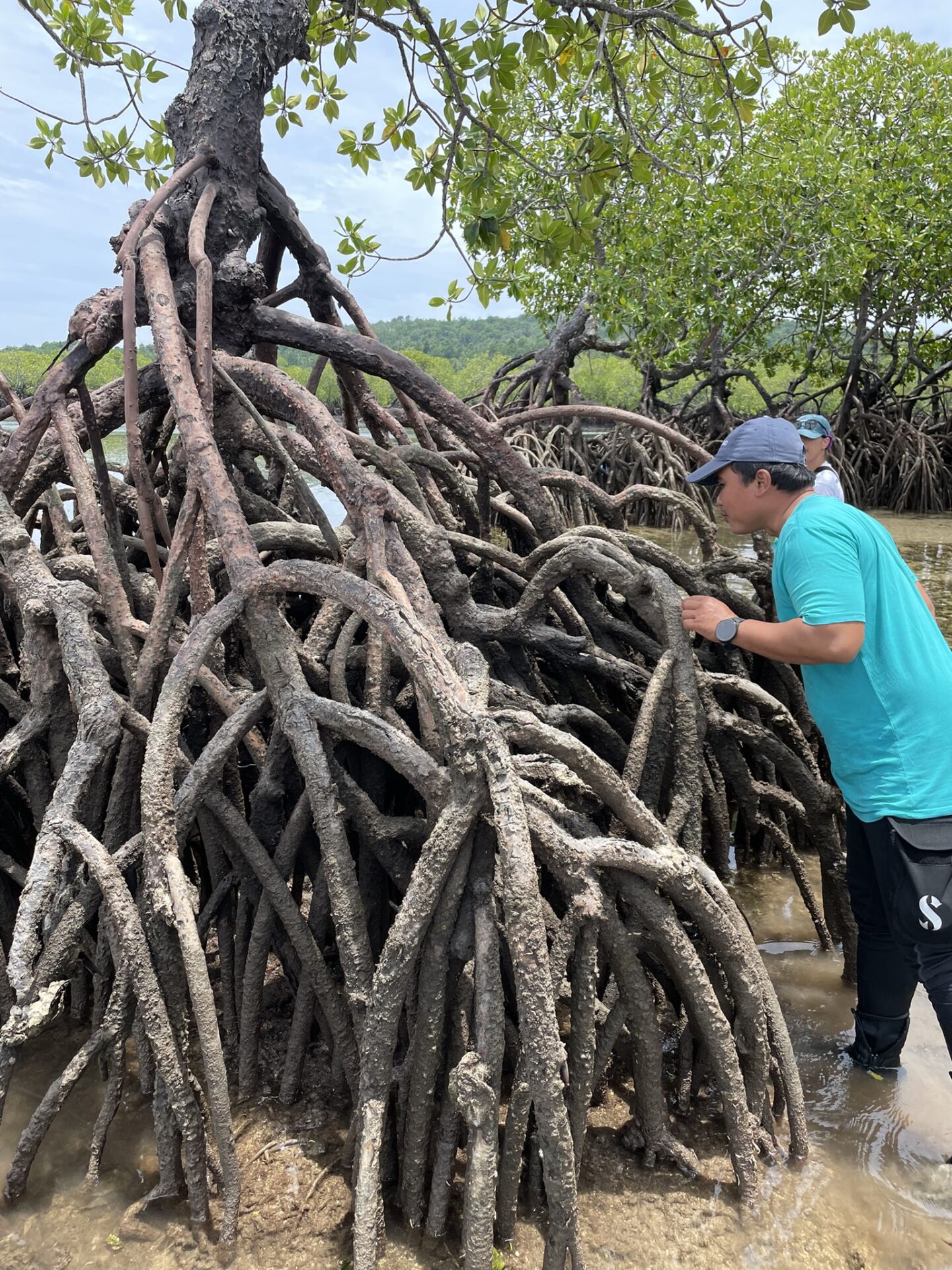
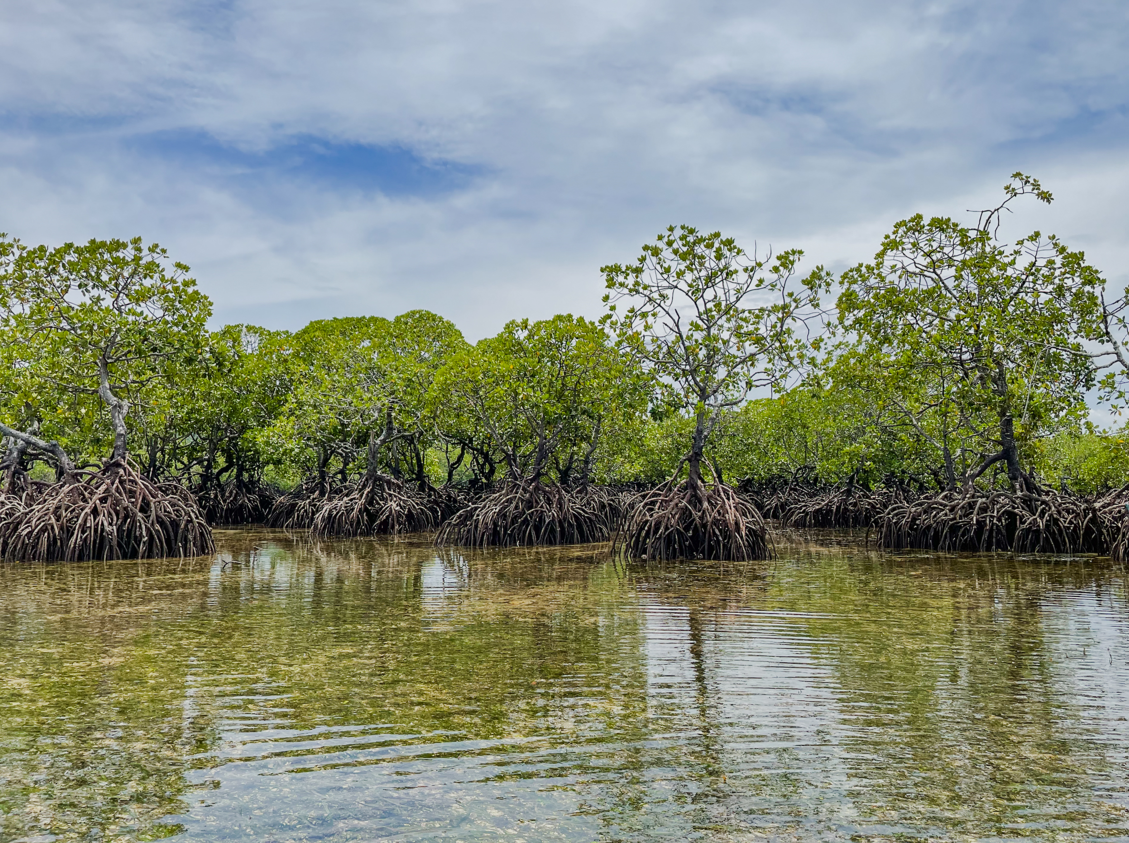
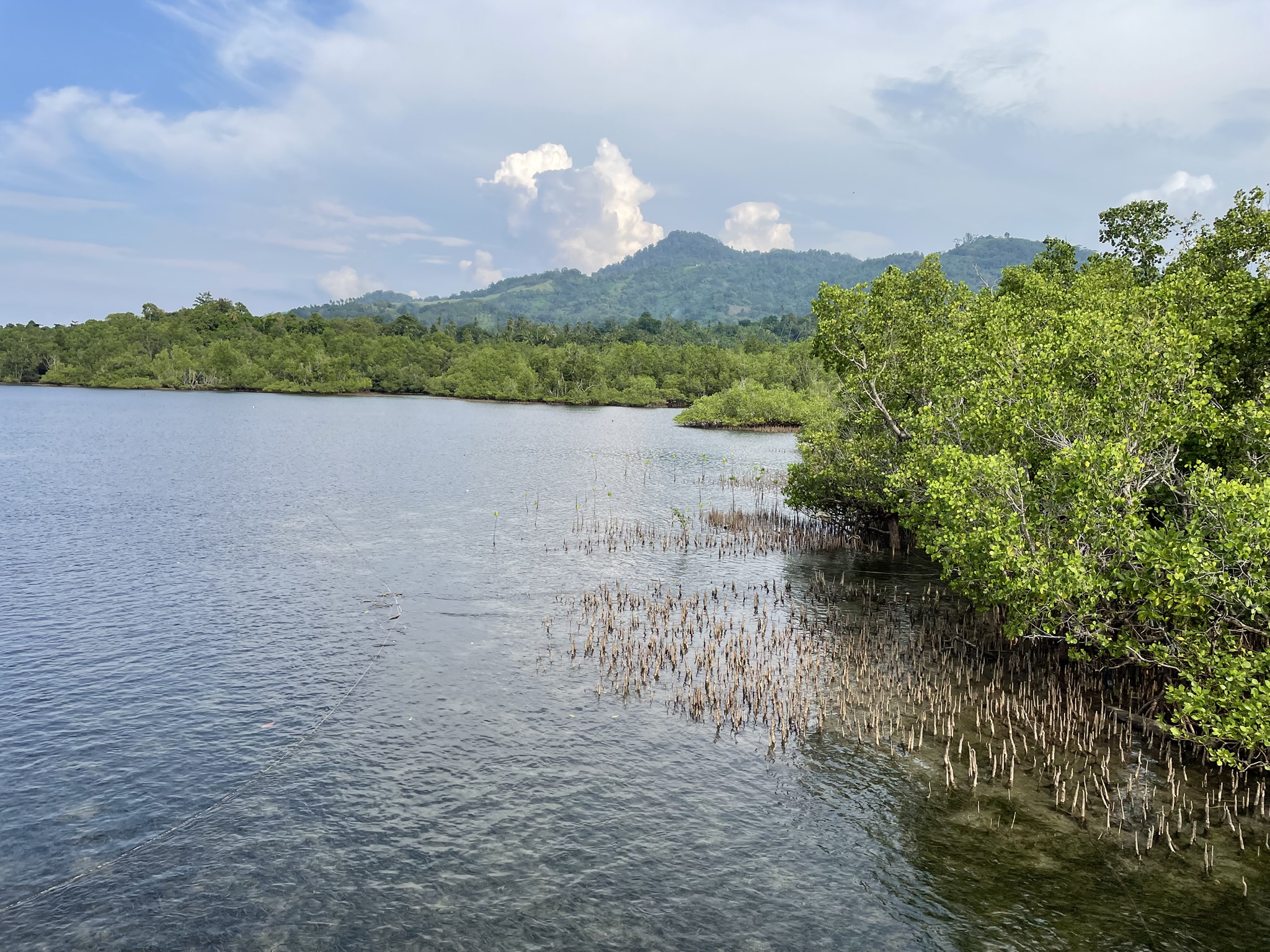
At Tarabitan Bay, another location in the MPA, I was taken on a walk through the mangroves at low tide. The sea-grass meadows were also visible, and I could see for myself how these areas teem with small fish, acting as nurseries for the species that are vital to both the reef ecosystems and the local fishing industry.

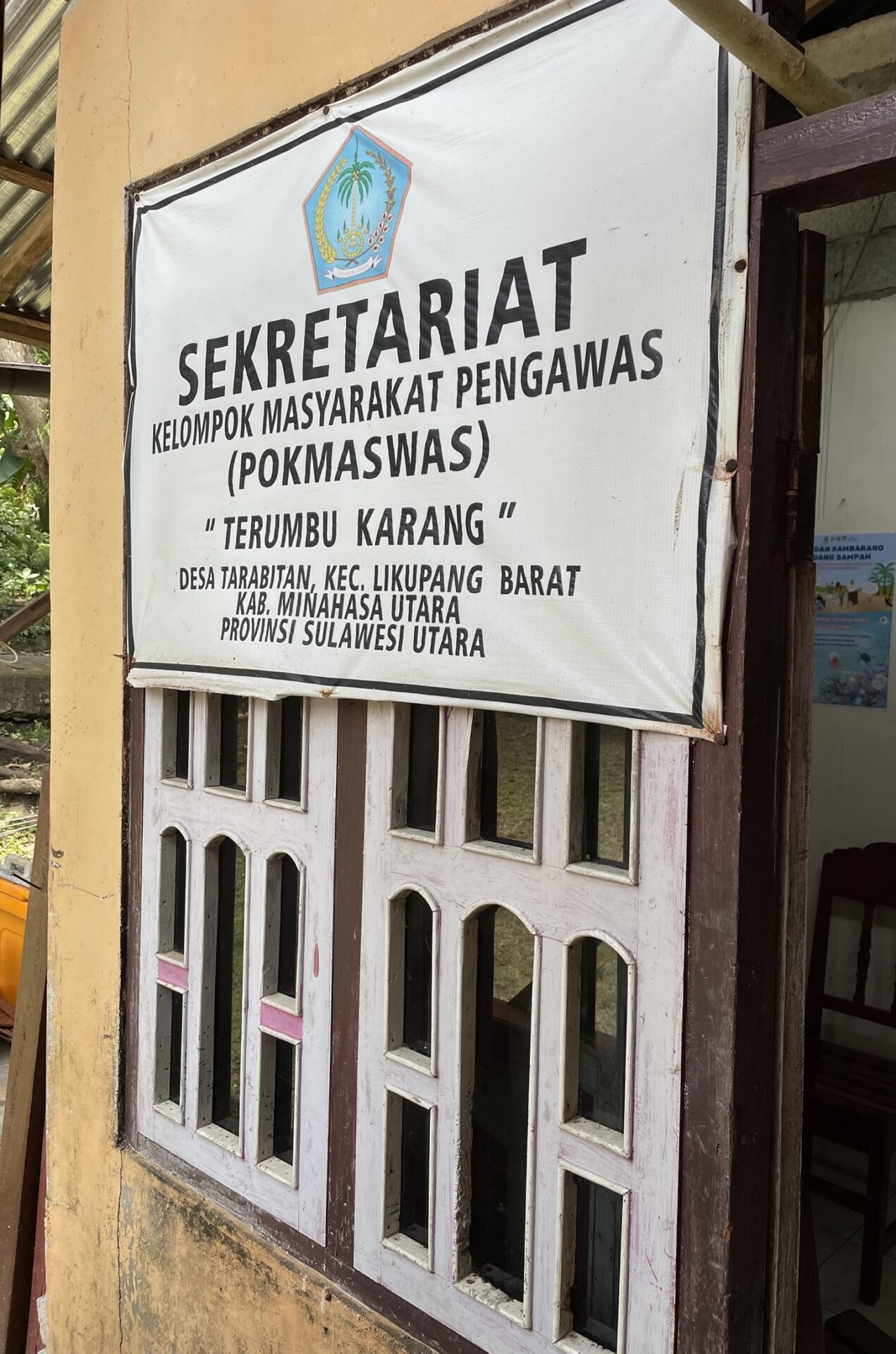
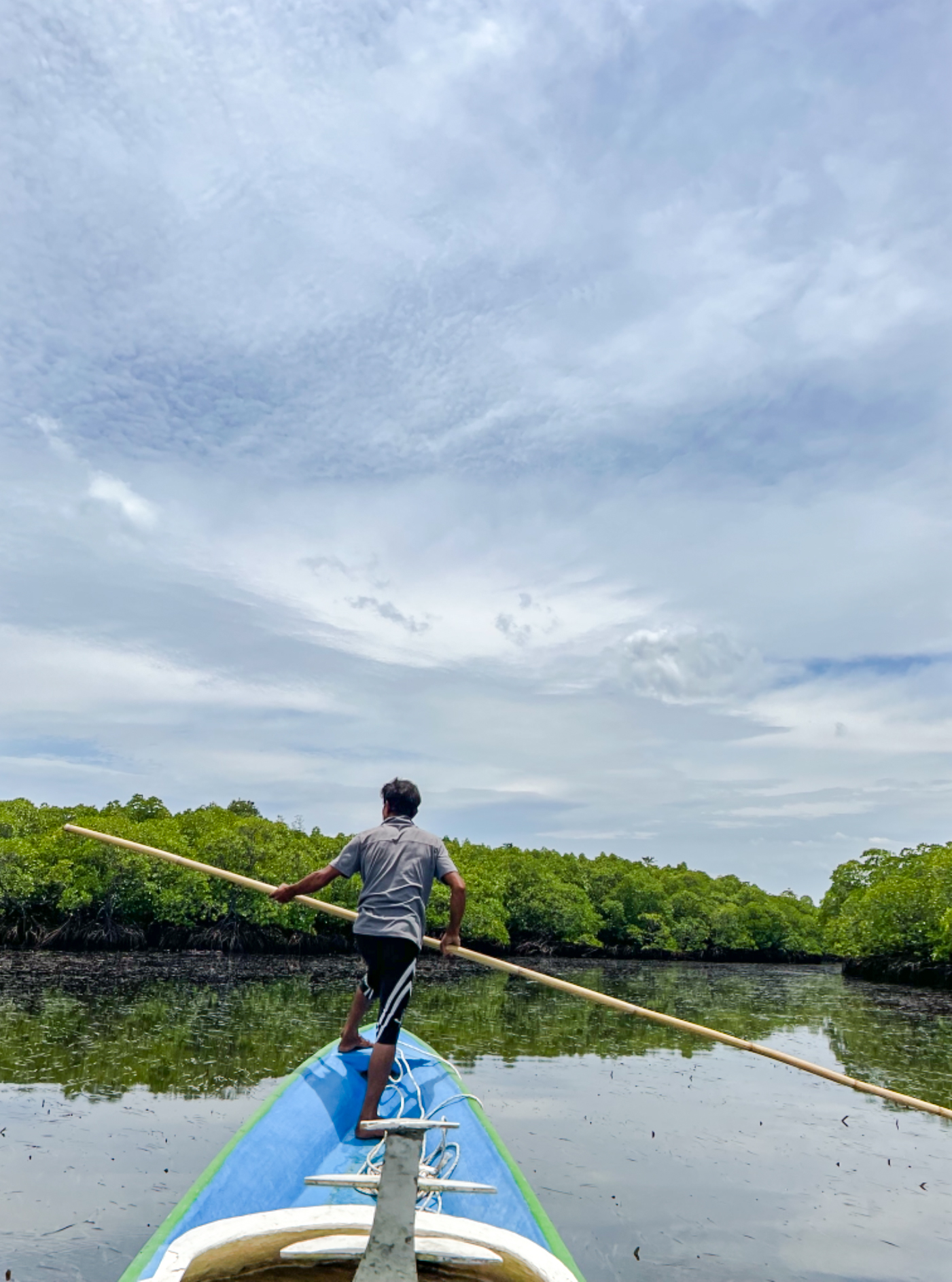
Under the WCS programme, some of the fishermen here have formed a community group and received training and a boat so they can patrol the area, gather ecological data using a smartphone app, and report to the MPA authority on illegal activities such as the use of banned fishing gear.

I saw plenty of healthy-looking coral in the MPA, but far more fish in the national park, where efforts to support more sustainable fishing practices have been in place for much longer.

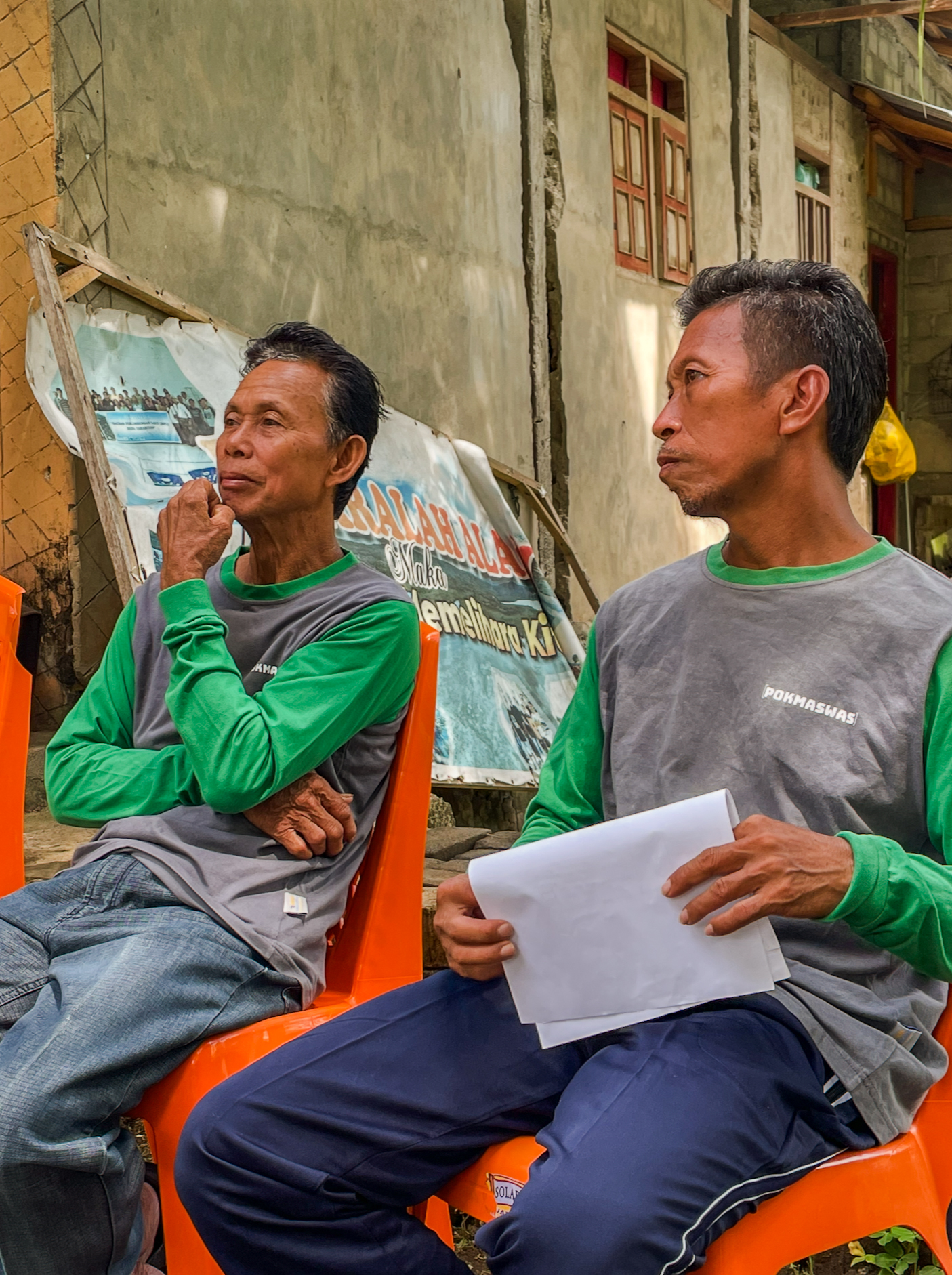
Exchange with the community surveillance group (Pokmaswas) of Tarabitan village on their plans and challenges

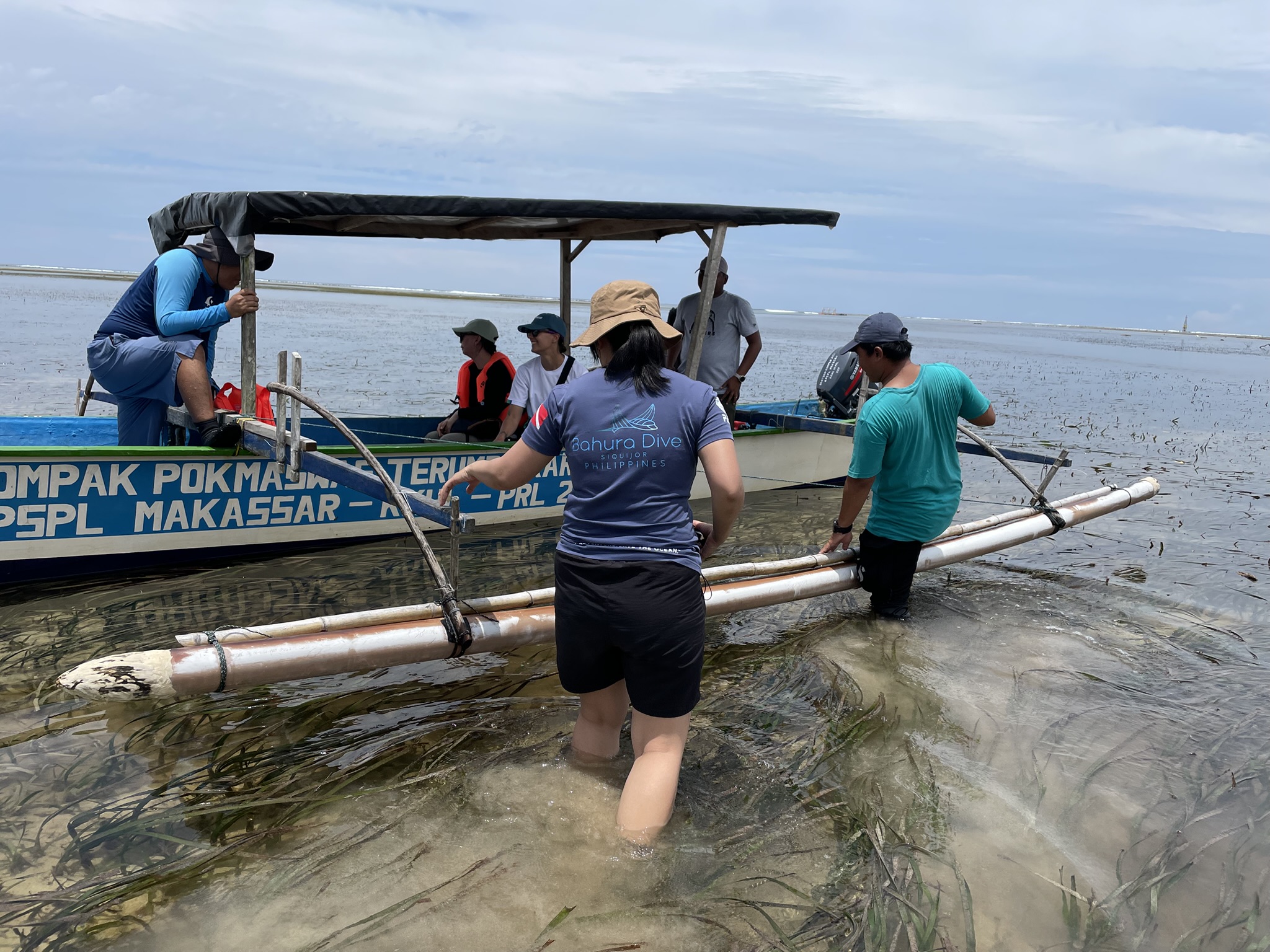
Monitoring mangroves and seagrass meadows at low-tide

Is the programme meeting expectations?

The programme in Indonesia is off to a good start, but this is of course a long-term process. In WCS, we have a partner that is well established in the region and our resources are enabling it to extend its programme to more locations.

Building the capacity of the protected area authorities in new locations takes time. Strengthening community groups requires steady support and appropriate expertise, as does holding consultations and implementing decisions based on those discussions. Most of all, protected areas need creative, sustainable financing models.

There are no quick fixes for any of this, and the solutions can only be delivered by multiple actors working together over a longer time period.

How did you round off the visit?

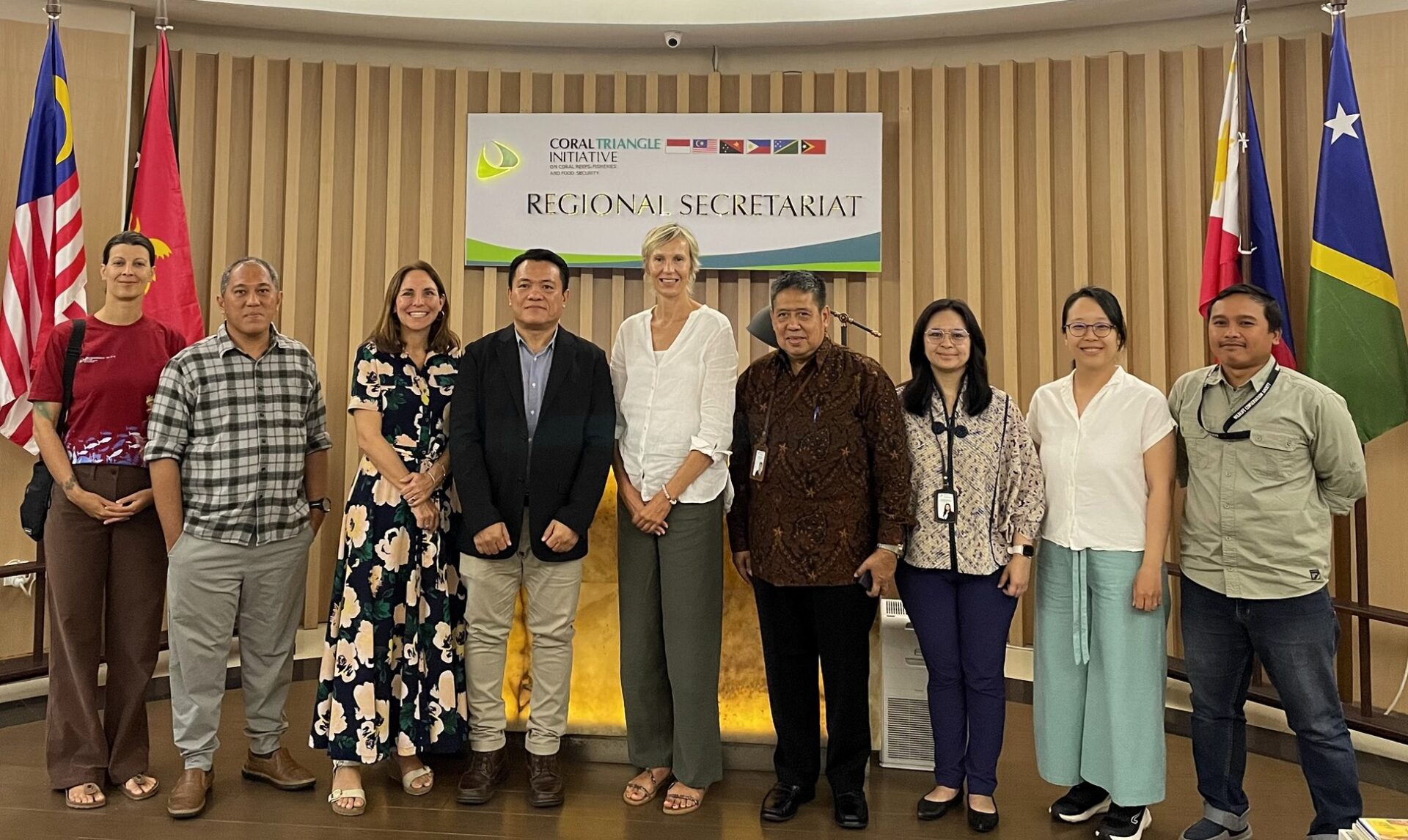
More meetings! This time with the Secretariat of the Coral Triangle Initiative in Manado, the provincial capital. The initiative coordinates conservation action across 6 million square kilometres of the waters between Indonesia, Malaysia, Papua New Guinea, Philippines, the Solomon Islands and Timor-Leste.

WCS is a strategic partner in this intergovernmental forum and profits from its convening power and the channels it provides for capacity building, and for sharing information and best practices. It’s another example of the complexity involved in such a large-scale effort.

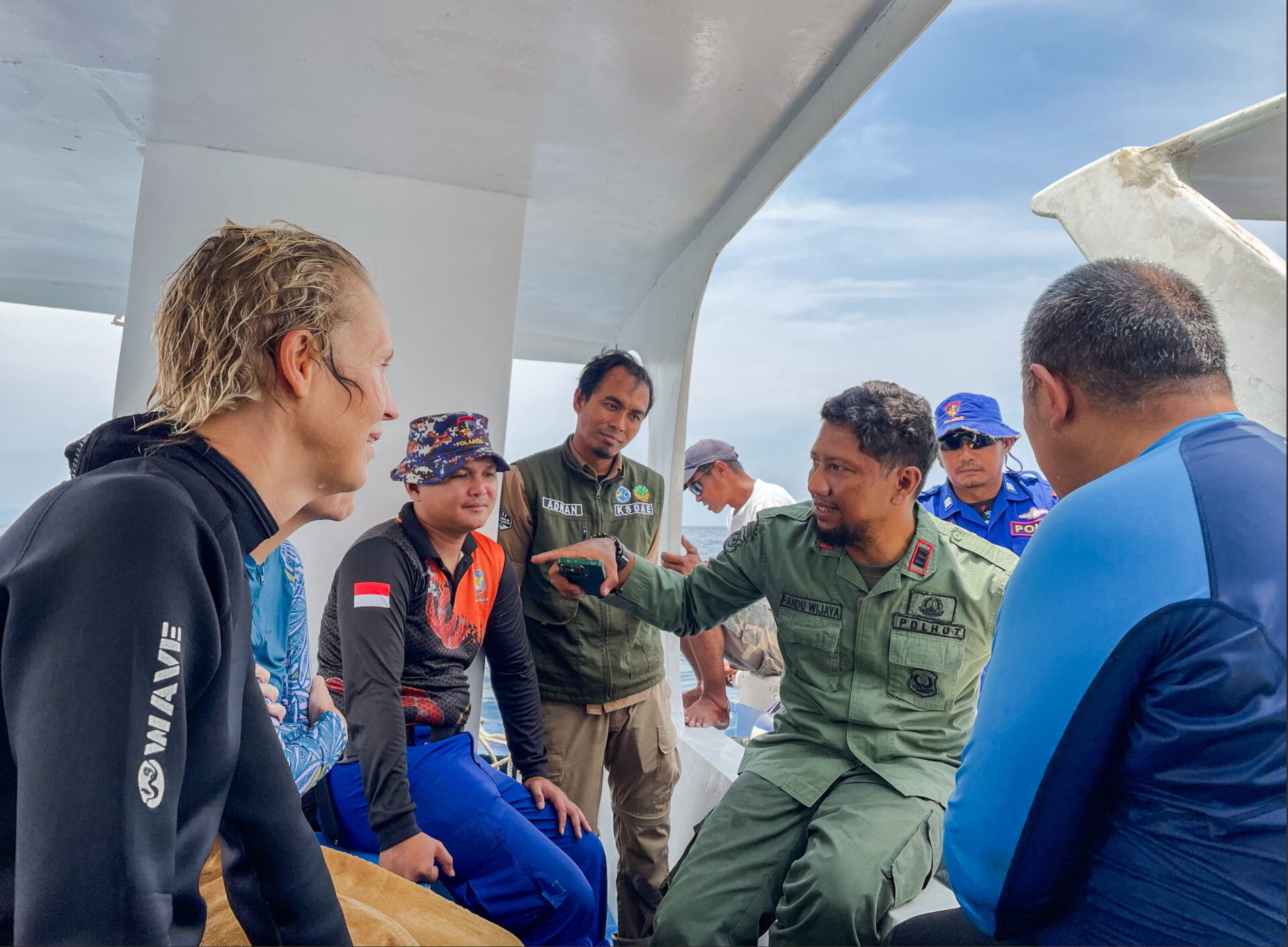
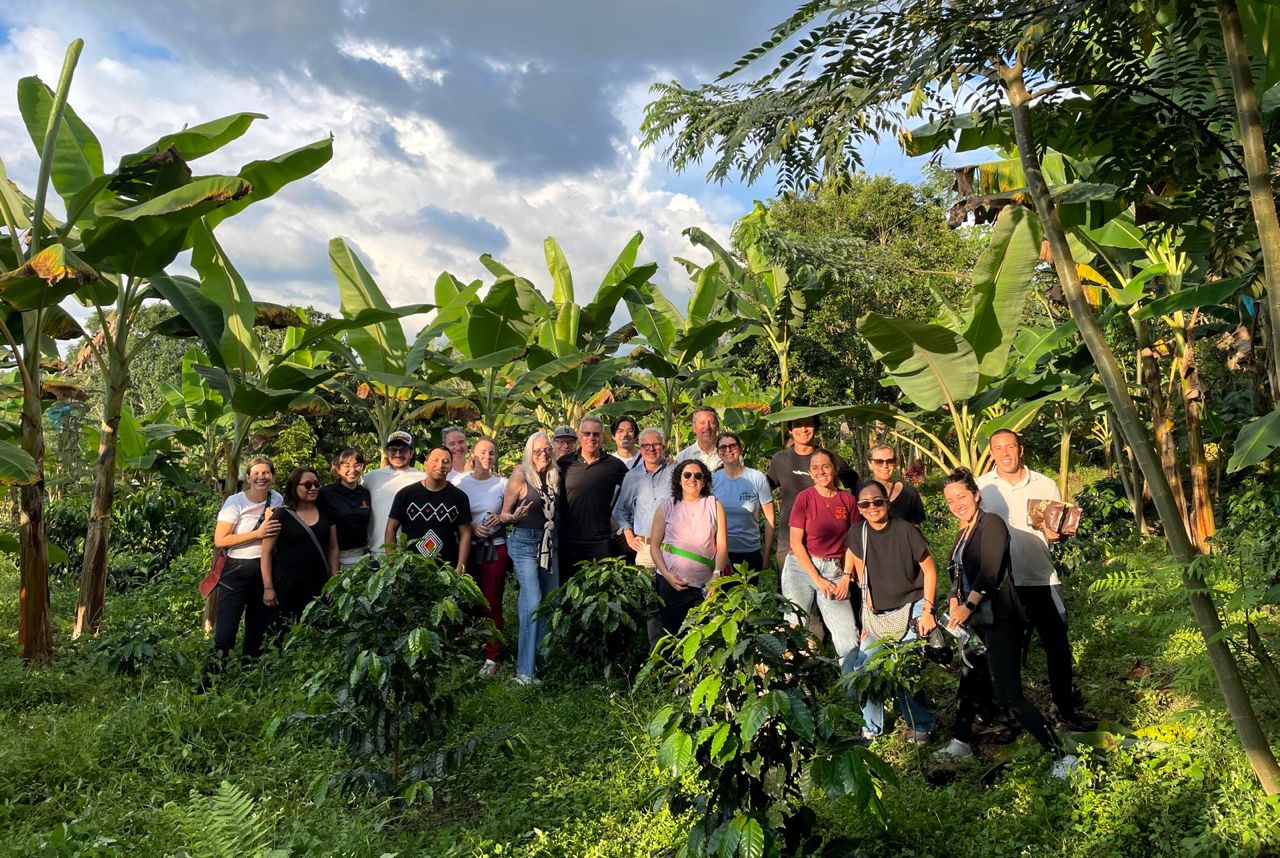
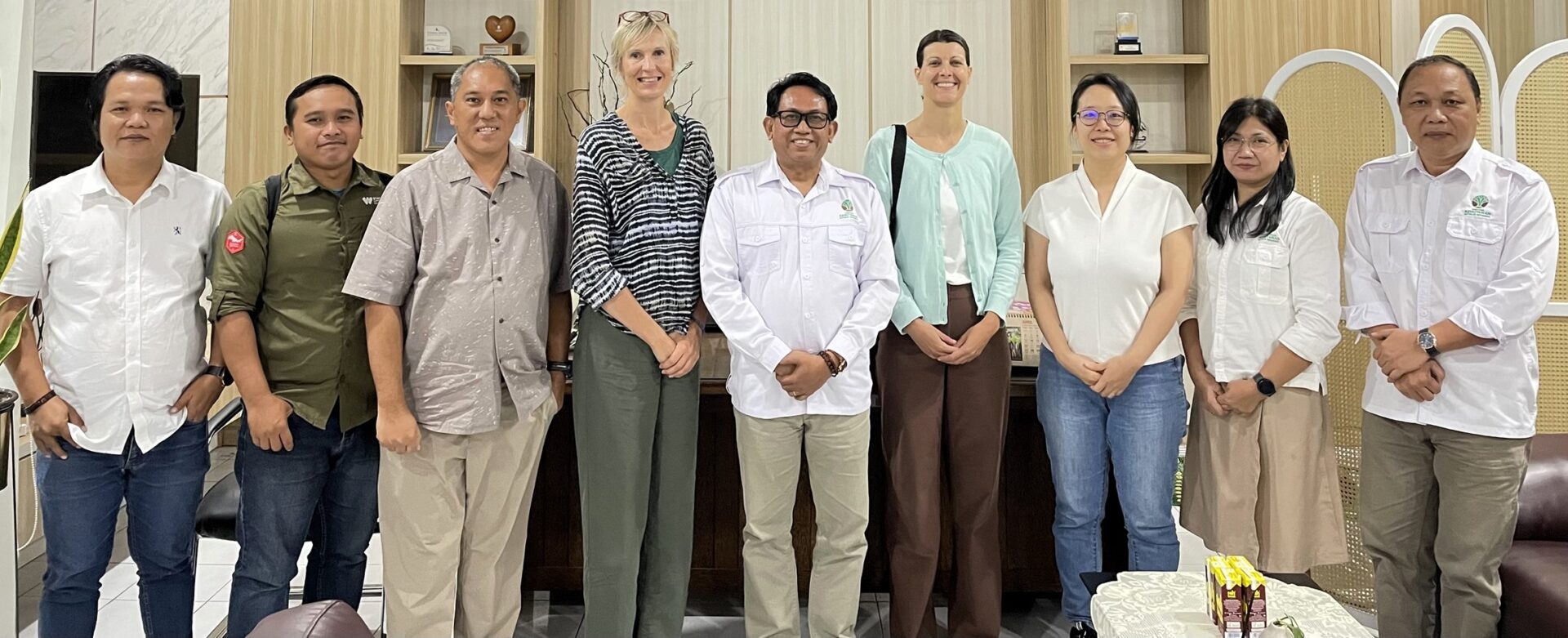
Nina (center, in white) with Coral Triangle Initiative Secretariat officials and WCS team members

 What overall impression did you bring back to Switzerland?

The visit has reinforced my understanding of how much is at stake.

The Coral Triangle is like the Amazon of the world’s coral reefs. The diversity of species is incredible, not only of coral, but of the fish and other life that these ecosystems support. At the same time, in Indonesia alone, fish account for about half of all the animal protein in people’s diets, and millions of people depend on fishing and the ocean for their livelihoods.

We can no longer avoid the climate change that is already killing and bleaching reefs around the world. But we can reduce the impacts from pollution, overfishing, coastal development and unsustainable tourism to give the more resilient corals a chance to survive, and to continue to support the well-being of so many people.
That requires long-term support and the Foundation is pleased to be among the funders of this initiative.

We can no longer avoid the climate change that is already killing and bleaching reefs around the world. But we can reduce the impacts from pollution, overfishing, coastal development and unsustainable tourism to give the more resilient corals a chance to survive, and to continue to support the well-being of so many people.
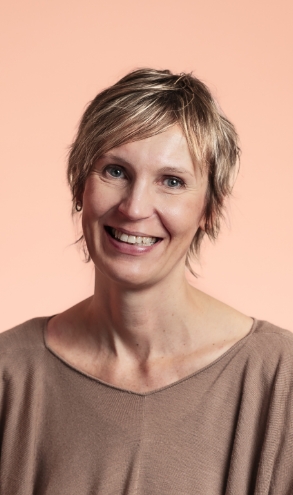
Nina Saalismaa

Senior Programme Manager