Generating revenue from conservation to build resilience in coastal Kenya
Field Visit

9/21/2026

Generating revenue from conservation to build resilience in coastal Kenya

Trafigura Foundation staff regularly visit partners in the field to see firsthand how our support is making communities and their environment more resilient to the impacts of climate change. In August, Senior Programme Manager Nina Saalismaa travelled to Kenya’s coast, where Plan Vivo is enabling communities to conserve and restore mangroves and use revenue from the sale of carbon credits to improve their lives.
Which parts of the Kenyan coast did you visit?

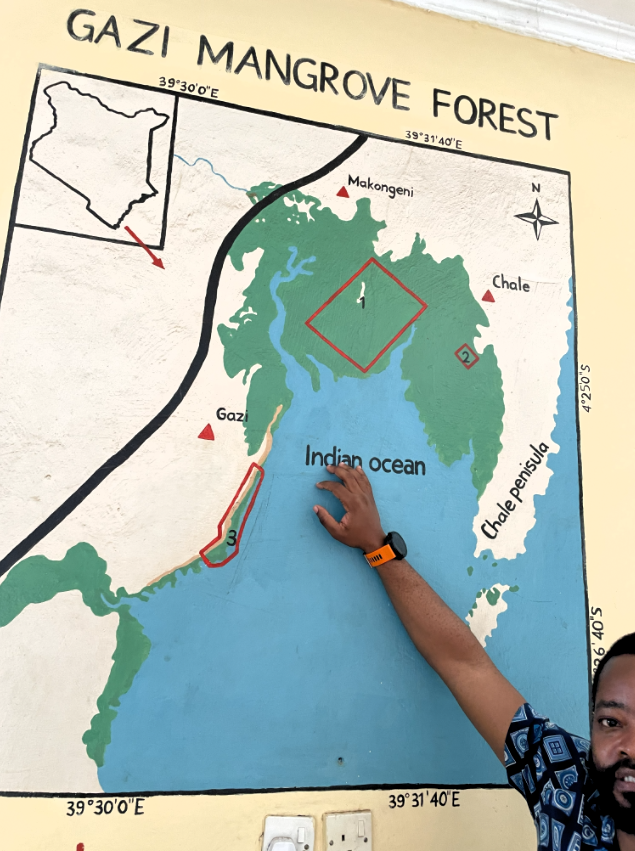
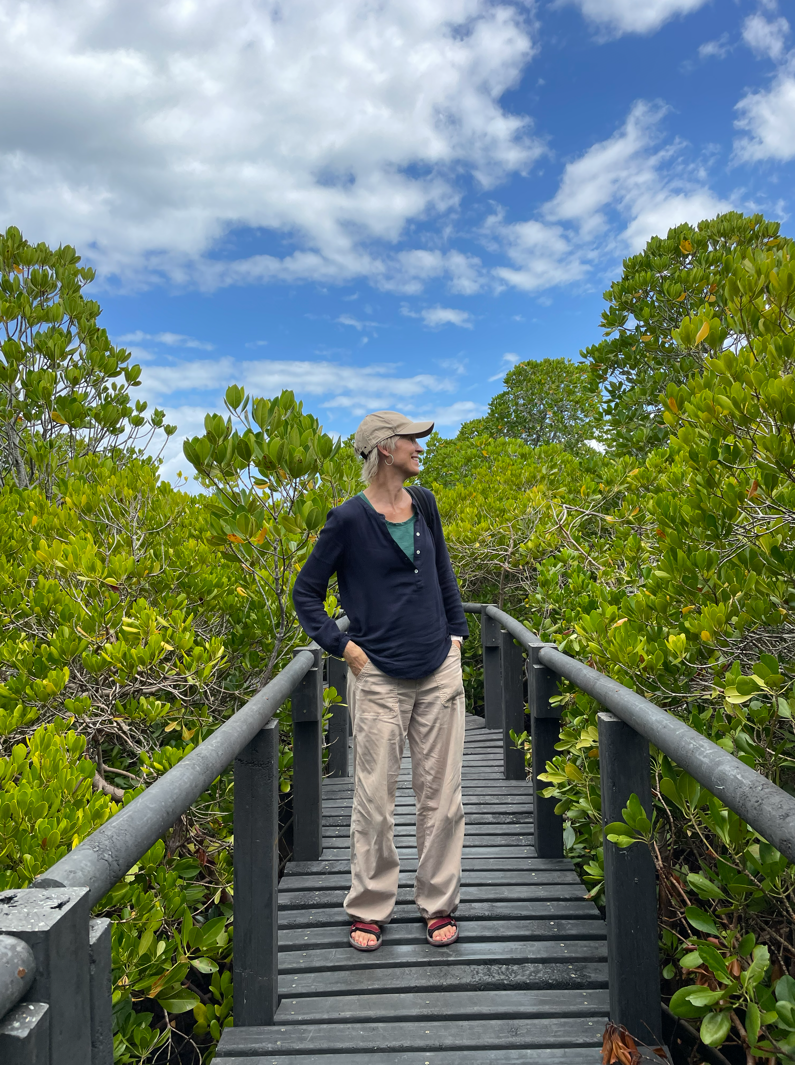
I visited two projects south of the city of Mombasa, the first near Gazi Bay and the second near Vanga, which is close to the border with Tanzania.

The mangroves and seagrass meadows that support fishing and tourism and protect these areas from storms and floods are under threat from pressures including logging, land conversion and climate change.

These projects are good examples of how protecting and restoring coastal ecosystems can contribute to people’s livelihoods and resilience, and underline why we are an enthusiastic supporter of Plan Vivo

How is Plan Vivo having an impact?

Plan Vivo certifies projects around the world that provide measurable and sustainable benefits for the climate and for nature. The communities running the projects then sell these carbon and biodiversity credits to fund initiatives that meet local priorities.

In Kenya, Plan Vivo has certified three ongoing projects, including two on the coast. One has been generating benefits for communities for many years and has paved the way for the second initiative that I visited. Both are led by the communities with coordination by the Association for Ecosystem Services (ACES), a UK-based NGO.

While many carbon projects globally are still in the design or fund-raising phase, these are examples of how they can work in reality, laying bare both the challenges and the achievements.

fisherman-2-1
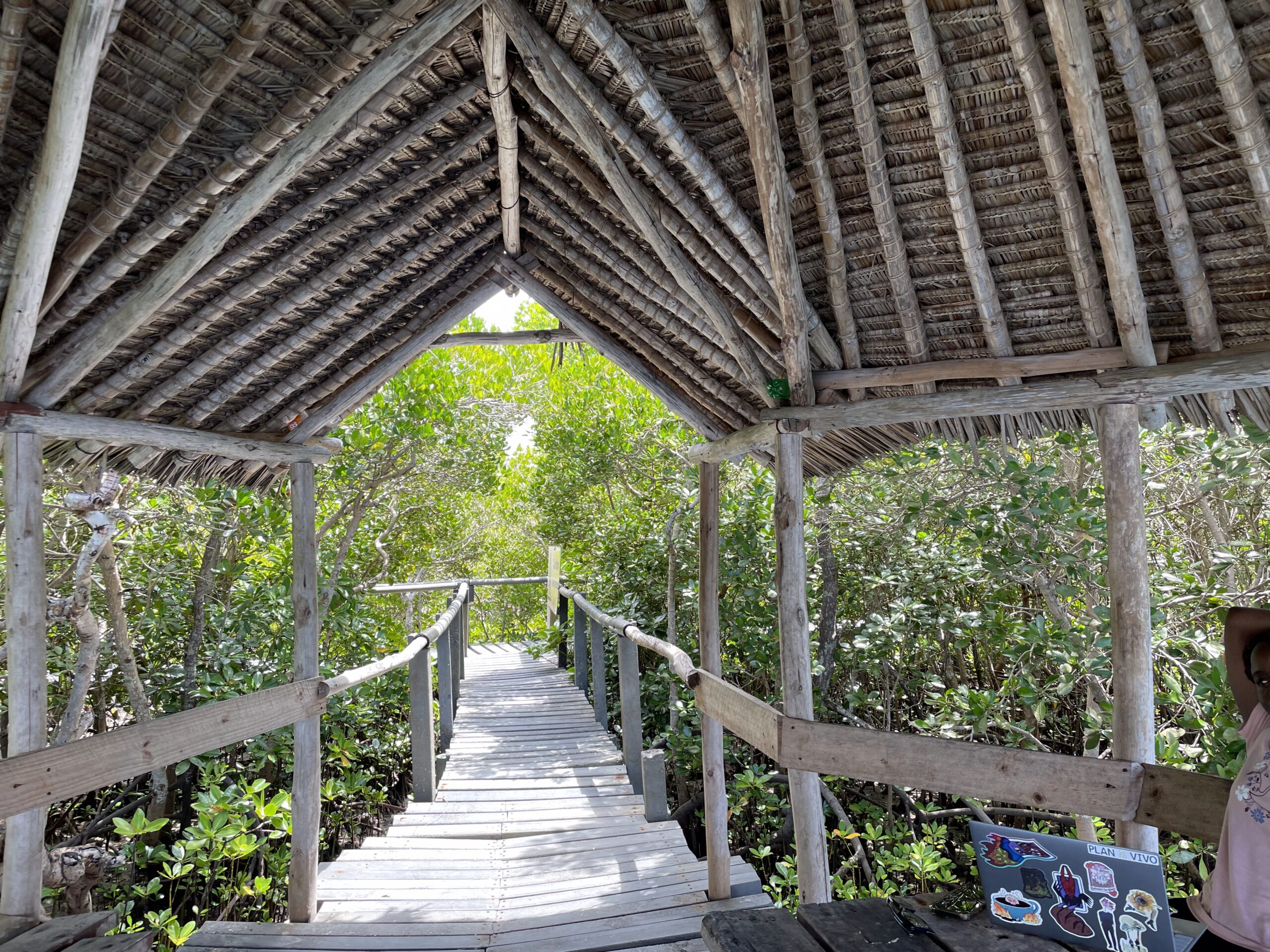
Boardwalk2-1
Woman-ecotourism-1
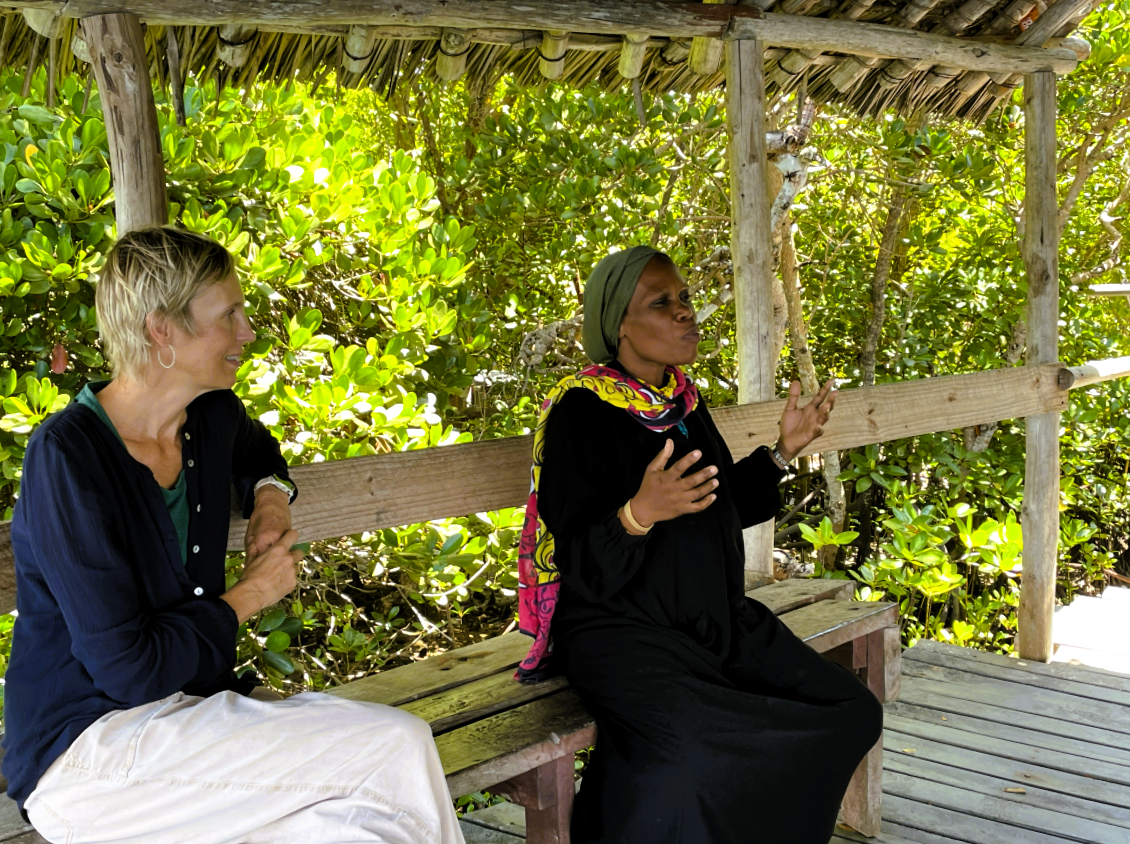
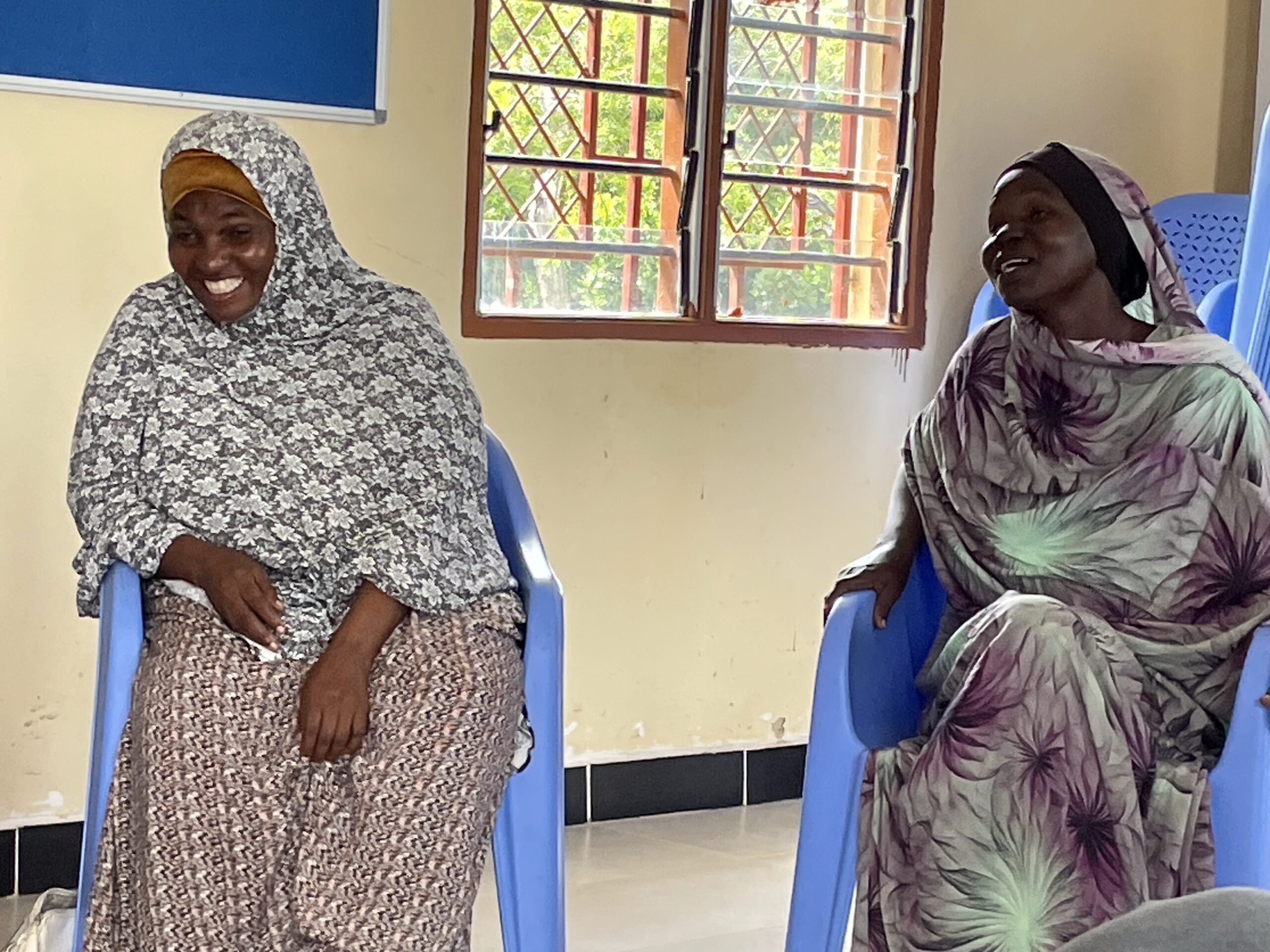
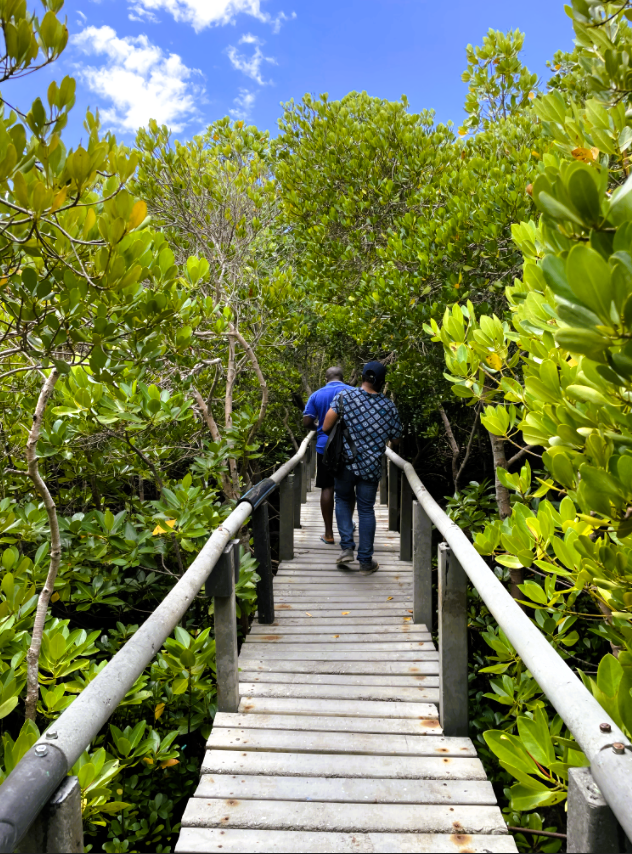
Discussion with a representative of the Gazi Women Mangrove Boardwalk group, who implement ecotourism initiatives.

What is special about the Gazi Bay project? 

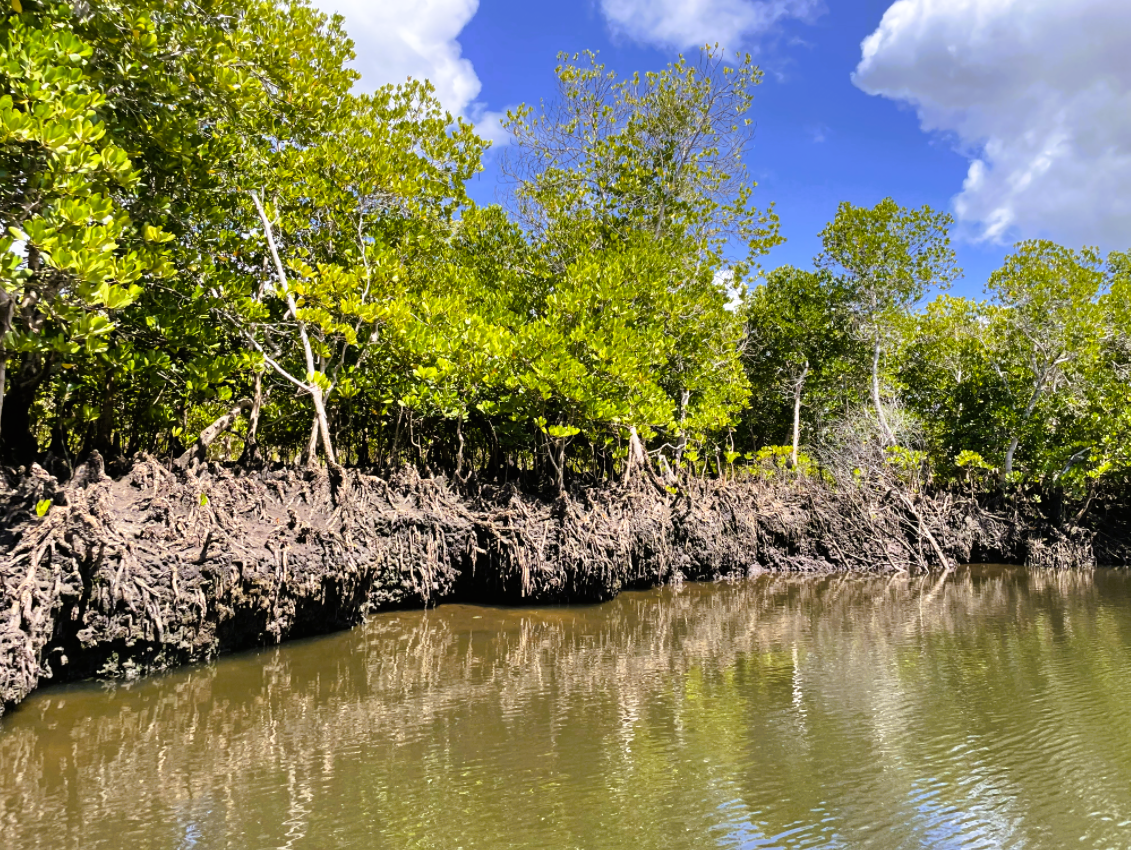
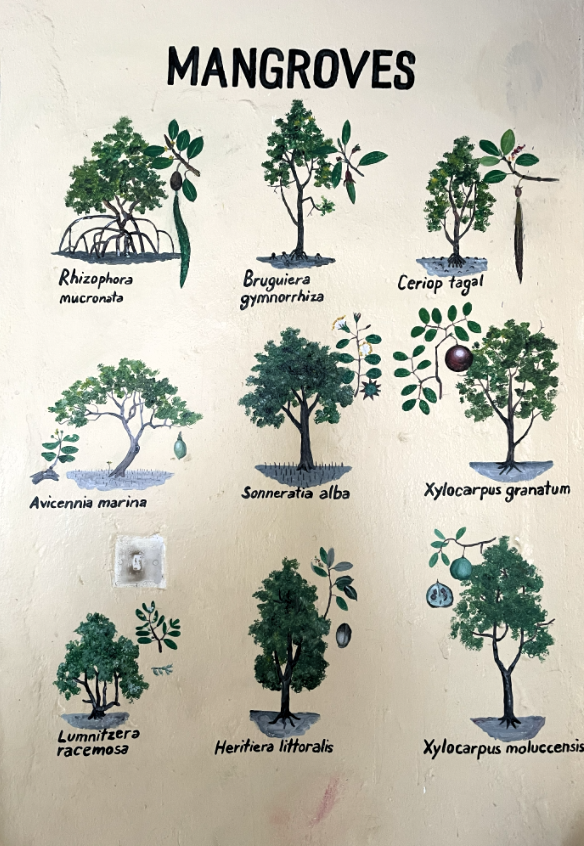
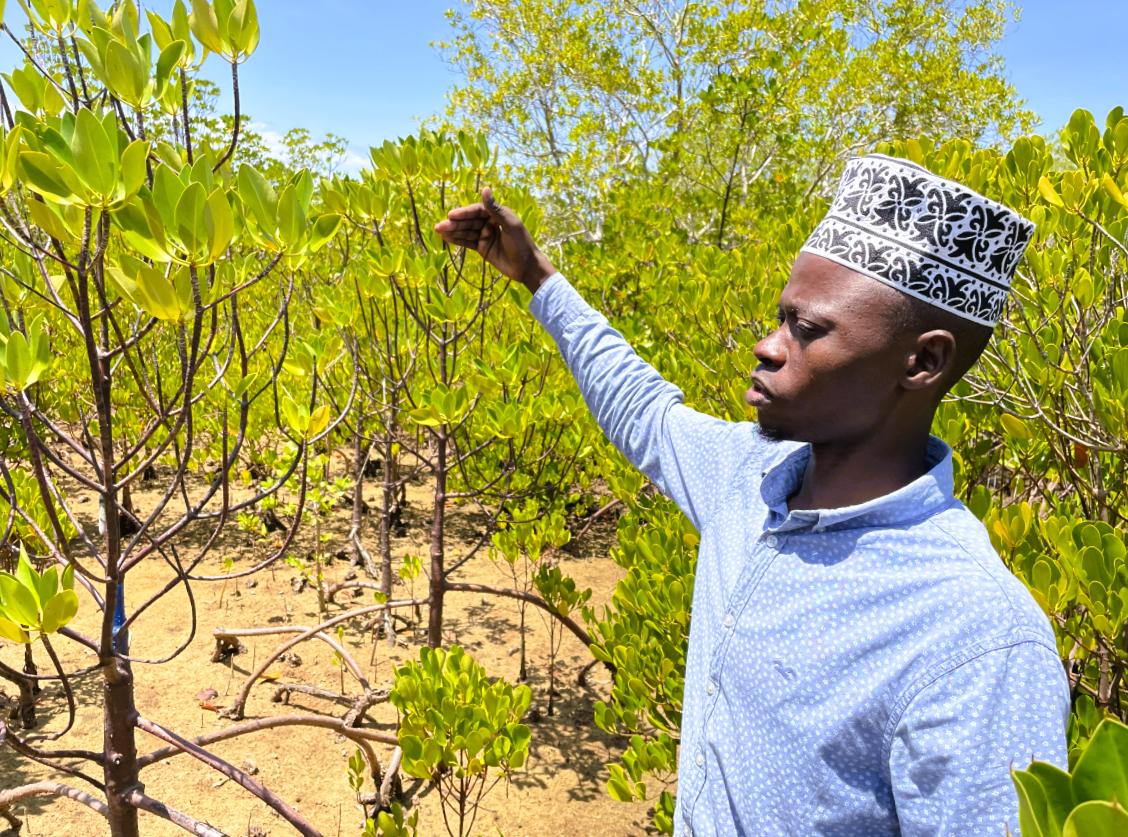
Plan Vivo describes the Mikoko Pamoja, or “Mangroves Together”, project as the world’s first community led blue carbon project. Gazi Bay is special because it is home to all nine species of Kenyan mangrove, and the project has won several international prizes since it was launched back in 2010.

By today’s standards, it is relatively small, with 117 hectares of mangrove under management. But it has generated about USD 200,000 for the local community and played an outsized role in inspiring similar projects in Kenya and beyond.

PV-mangroves
Generating revenue from conservation to build resilience in coastal Kenya Generating revenue from conservation to build resilience in coastal Kenya

Pristine mangroves around Gazi Bay include all nine species of mangroves of Kenya.

What stage is the Vanga project at? 

The Vanga Blue Forest project is a decade younger and already four times larger, so has the potential to generate higher annual revenue. That allows the three participating local communities to plan and undertake more ambitious projects without the need to find additional finance, giving them more autonomy in their decision-making.

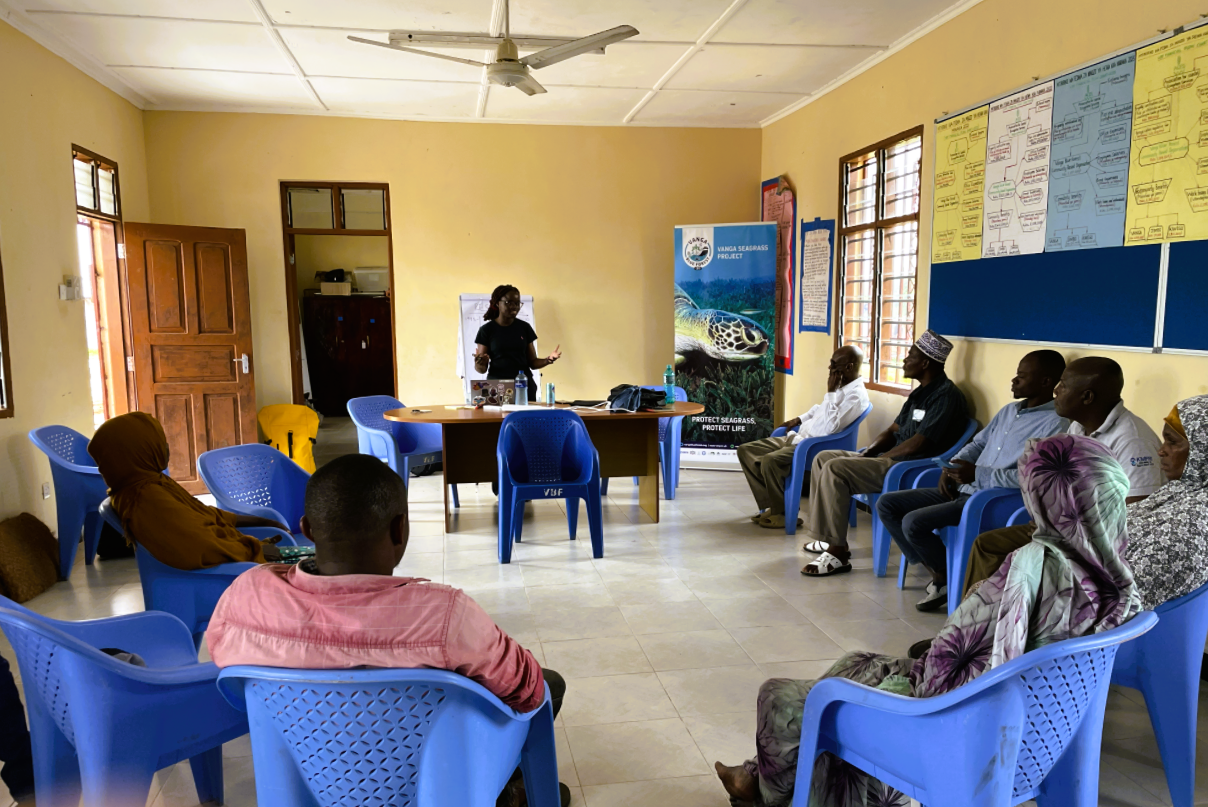
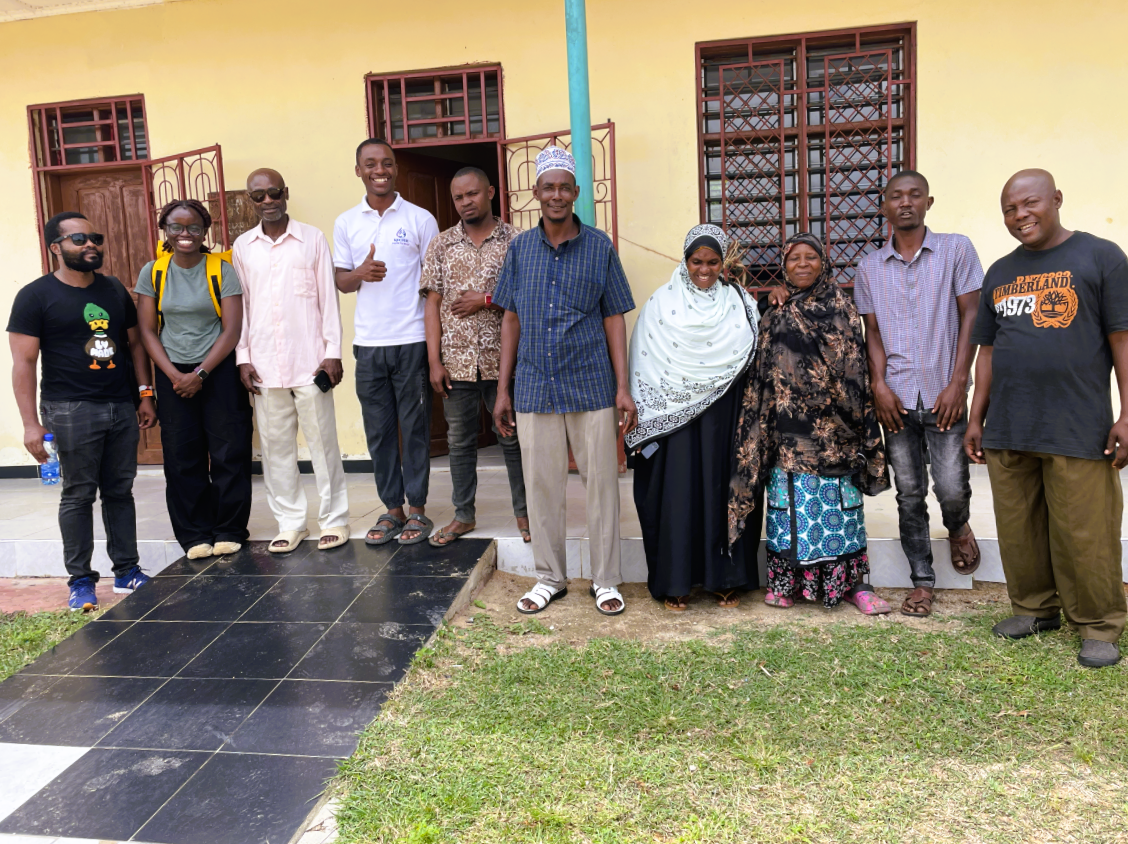
I met with the community committee driving the project. The committee, which includes women and youth, brings a lot of energy to this project, which bodes well for its future.

Benefitsmeeting-2
Vanga-meeting1-2

Focus group discussion on resilience and Community Carbon Committee Members.

How are the projects boosting resilience? 

Plan Vivo is developing a framework to report specifically how the projects that it certifies impact the resilience of the communities. I sat in on focus group discussions in both locations where Plan Vivo project officers gathered information from the community on this subject.

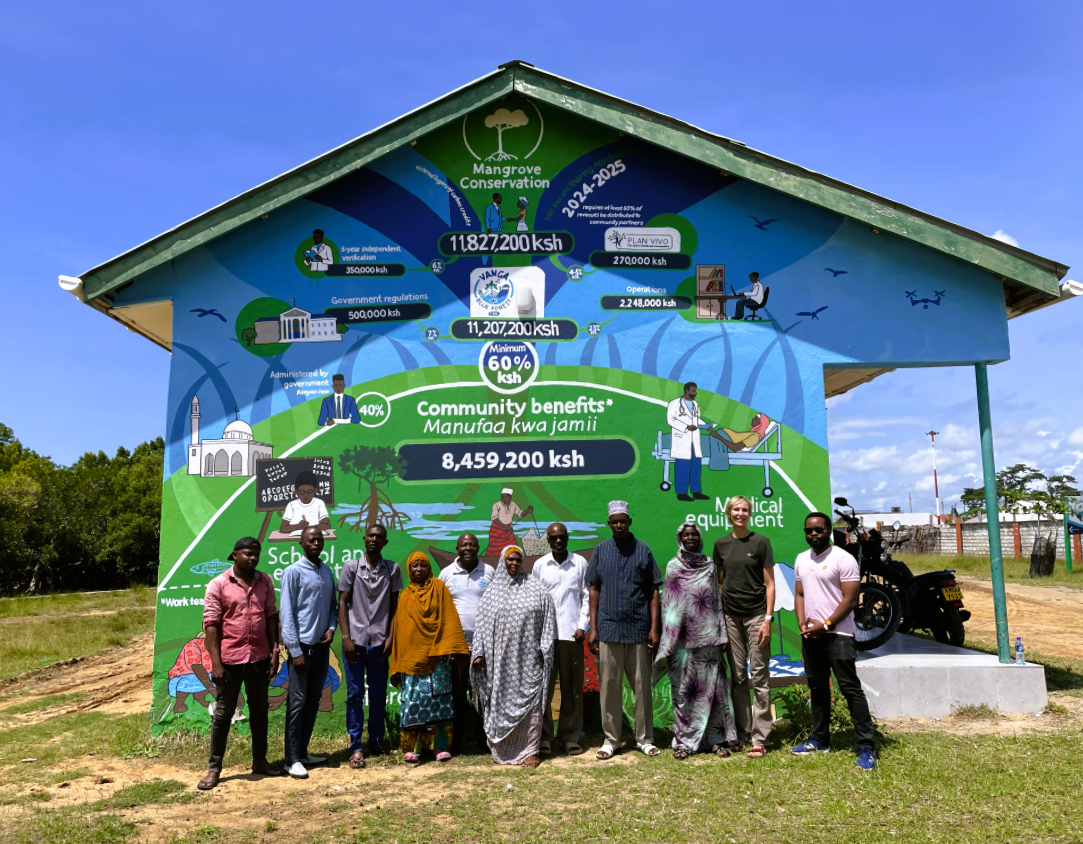
Community members listed the shocks they had suffered or feared – from the COVID-19 pandemic to fuel price hikes and extreme weather events – and how the carbon project helps them to cope. 

Interesting here was also what they didn’t mention, such as water security and education, because these are topics where initiatives funded with carbon credits have already eased their concerns. Take health care: thanks to the carbon revenue, people said their local dispensaries are well equipped and supplied. They appreciate that they have been able to improve local services according to their own priorities.

Revenue from carbon has helped build a seawall, reducing the threat from flooding, and provided a social safety net during the pandemic.

Another gain people talked about is their improved understanding of their environment. They say they now know all about mangroves and their functions and benefits, and how to manage and restore them.

Benefithouse-1
Benefits-1
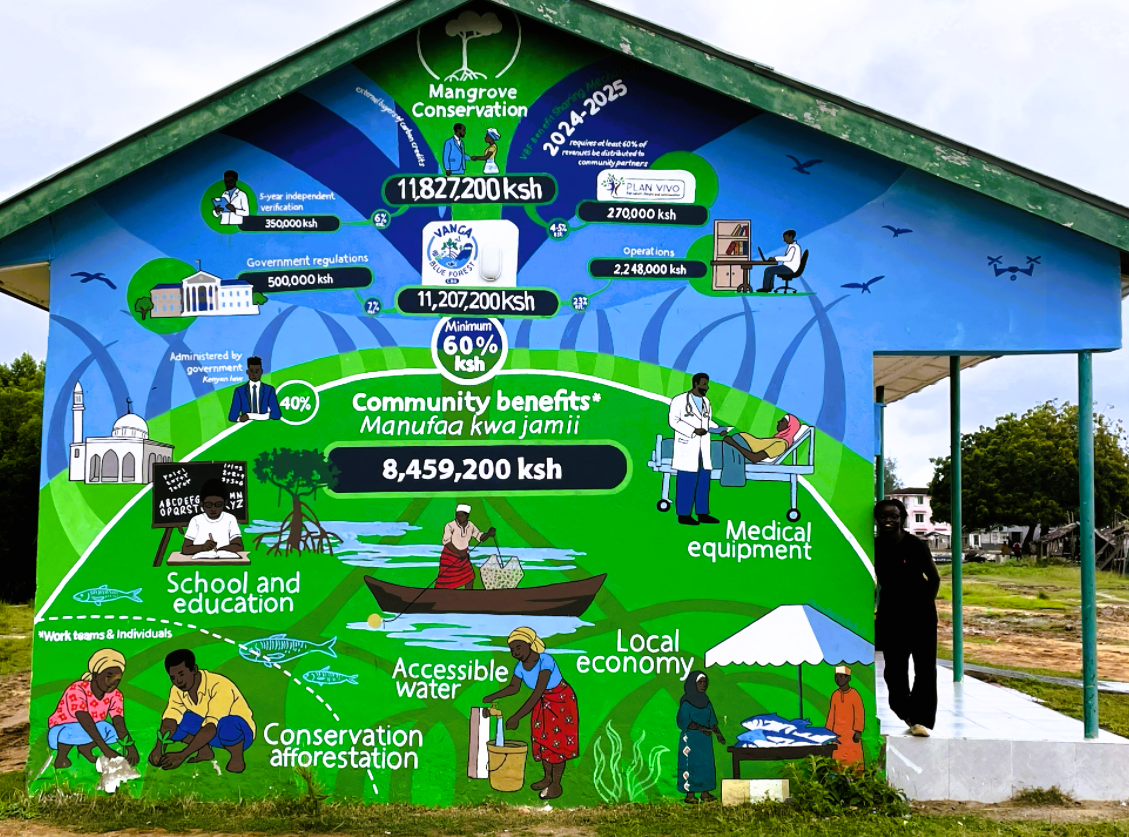
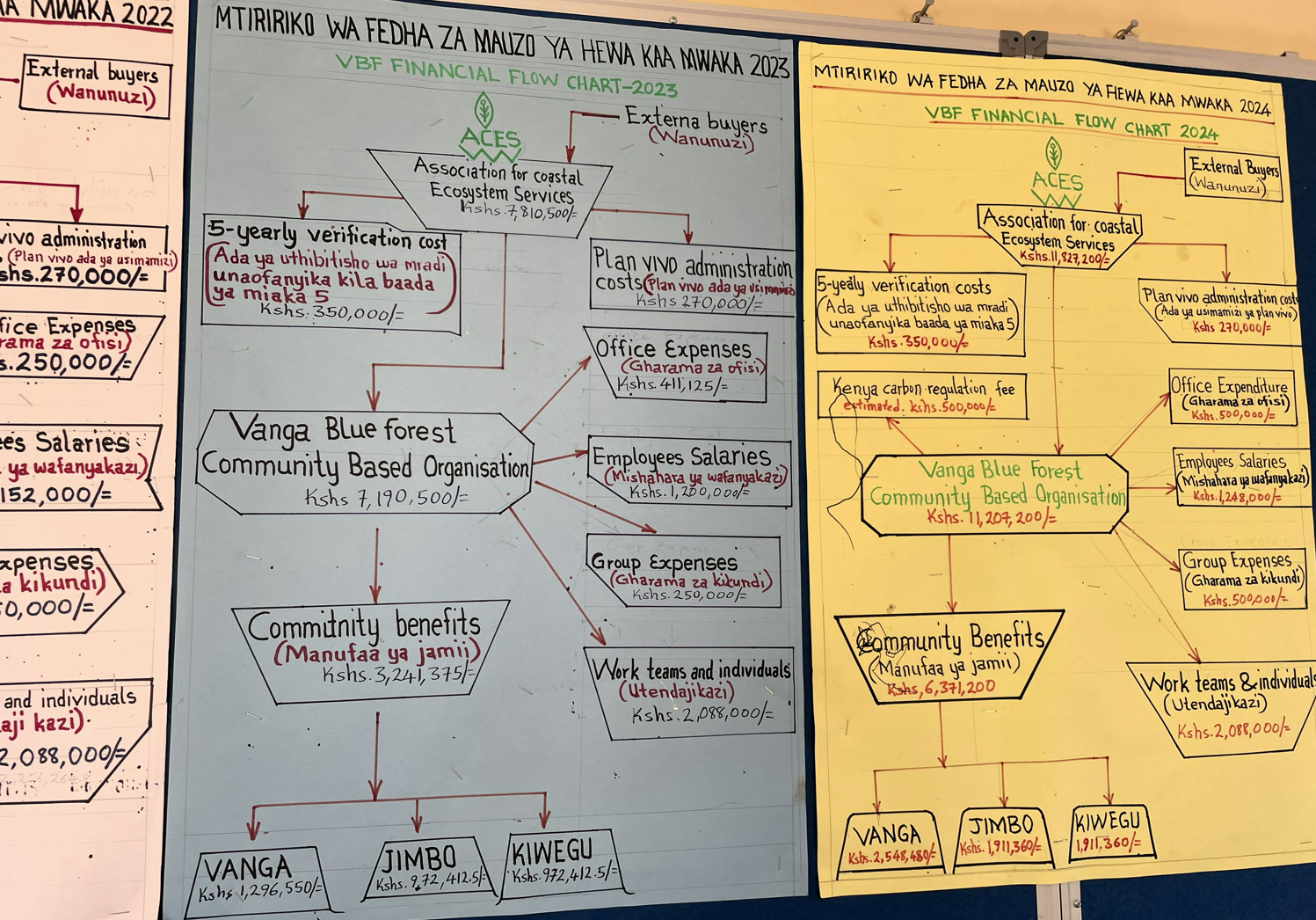
Carbon revenue benefit sharing schemes are visible and transparently communicated to the whole community.

Is everybody happy?

Of course, some community members are unhappy about restrictions on their access to the areas under conservation to harvest things like firewood and construction materials. However, the project has also tried to address this by supporting the creation of woodlots.

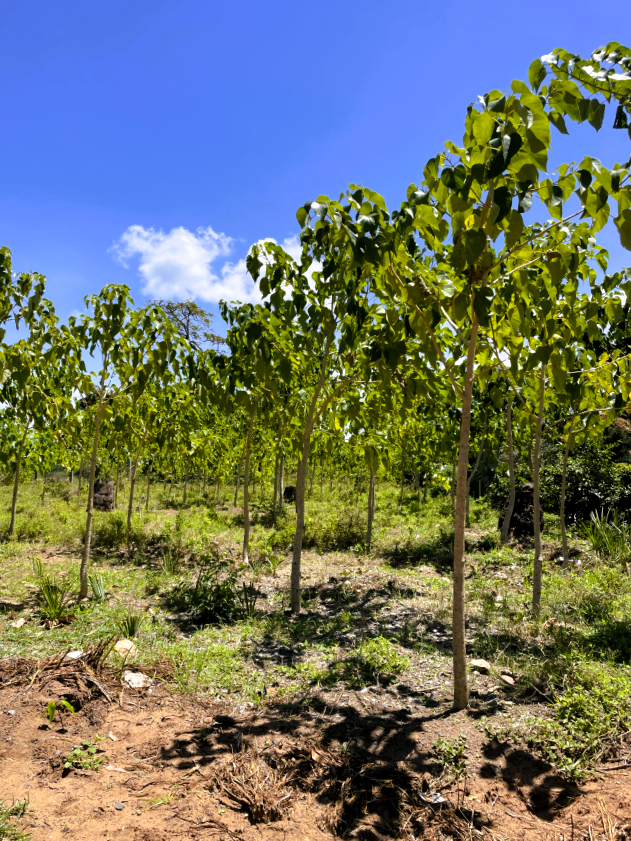
I visited one of these woodlots, which was in the large yard of local primary school. Teachers told me that their pupils are looking after the trees, which is a wonderful way of getting the next generation involved in managing their environment.

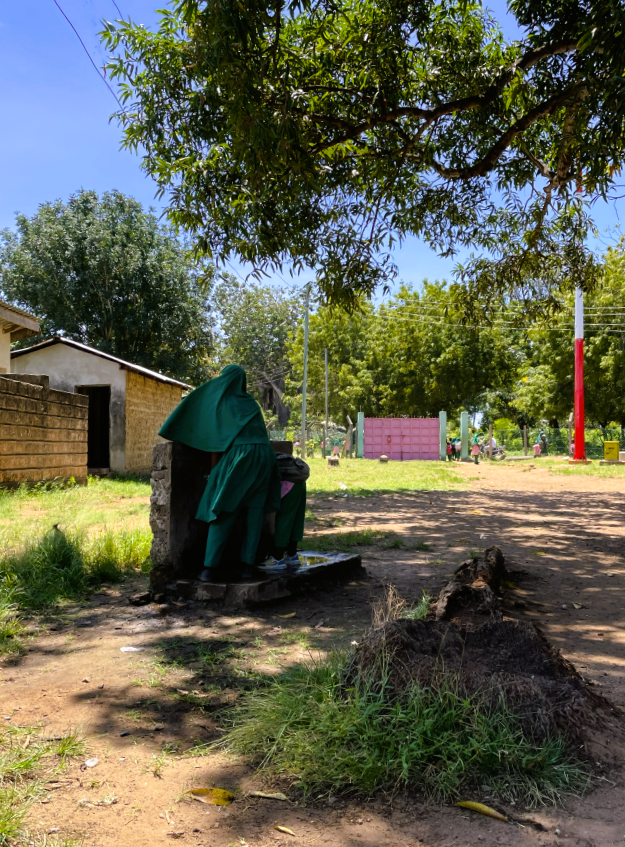
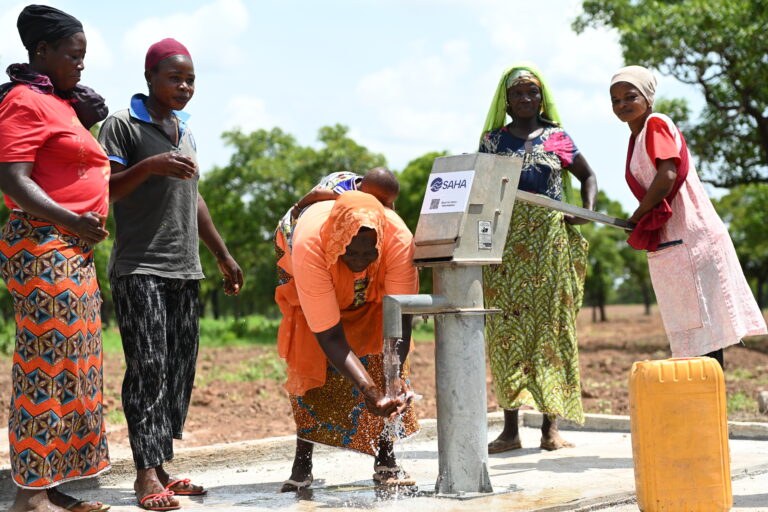
The schools have also been supplied with water under the community initiatives. One has even been equipped with a science lab, reflecting a wish in the community to give their children a better chance of going on to higher education.

Woodlots-1

Woodlot on the local school ground, providing alternative source of timber and firewood.
The plantation and its maintenance are managed by the students.

School-yard-water-1
Generating revenue from conservation to build resilience in coastal Kenya
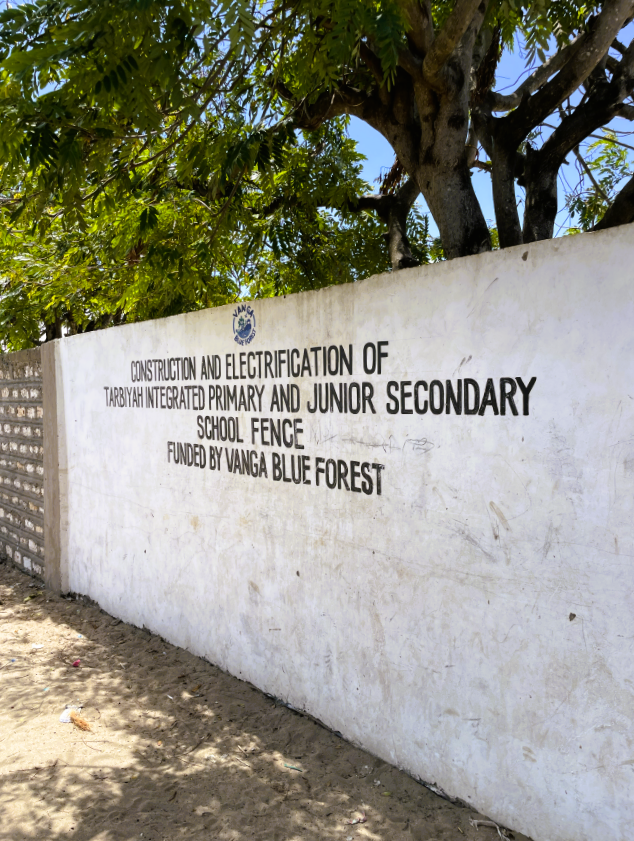
School water points and fence have been built with carbon revenue.

Can the mangroves and seagrass meadows be protected?

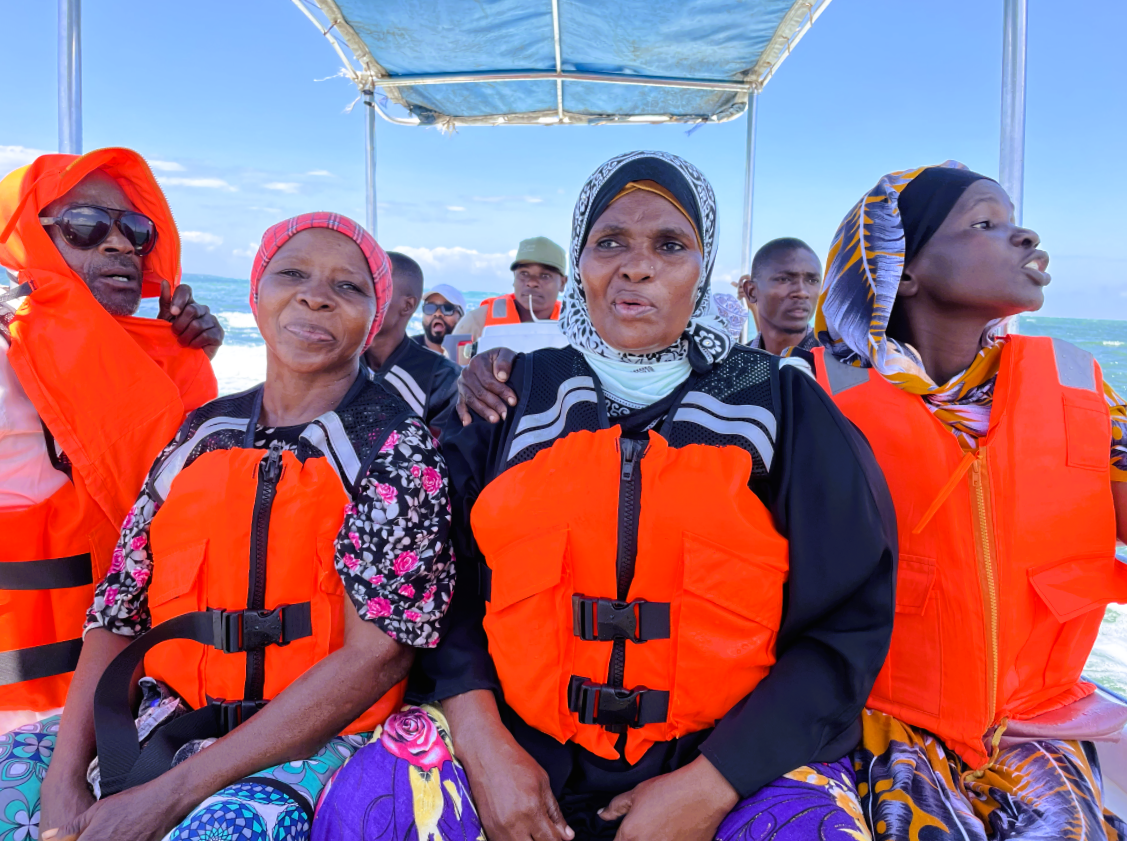
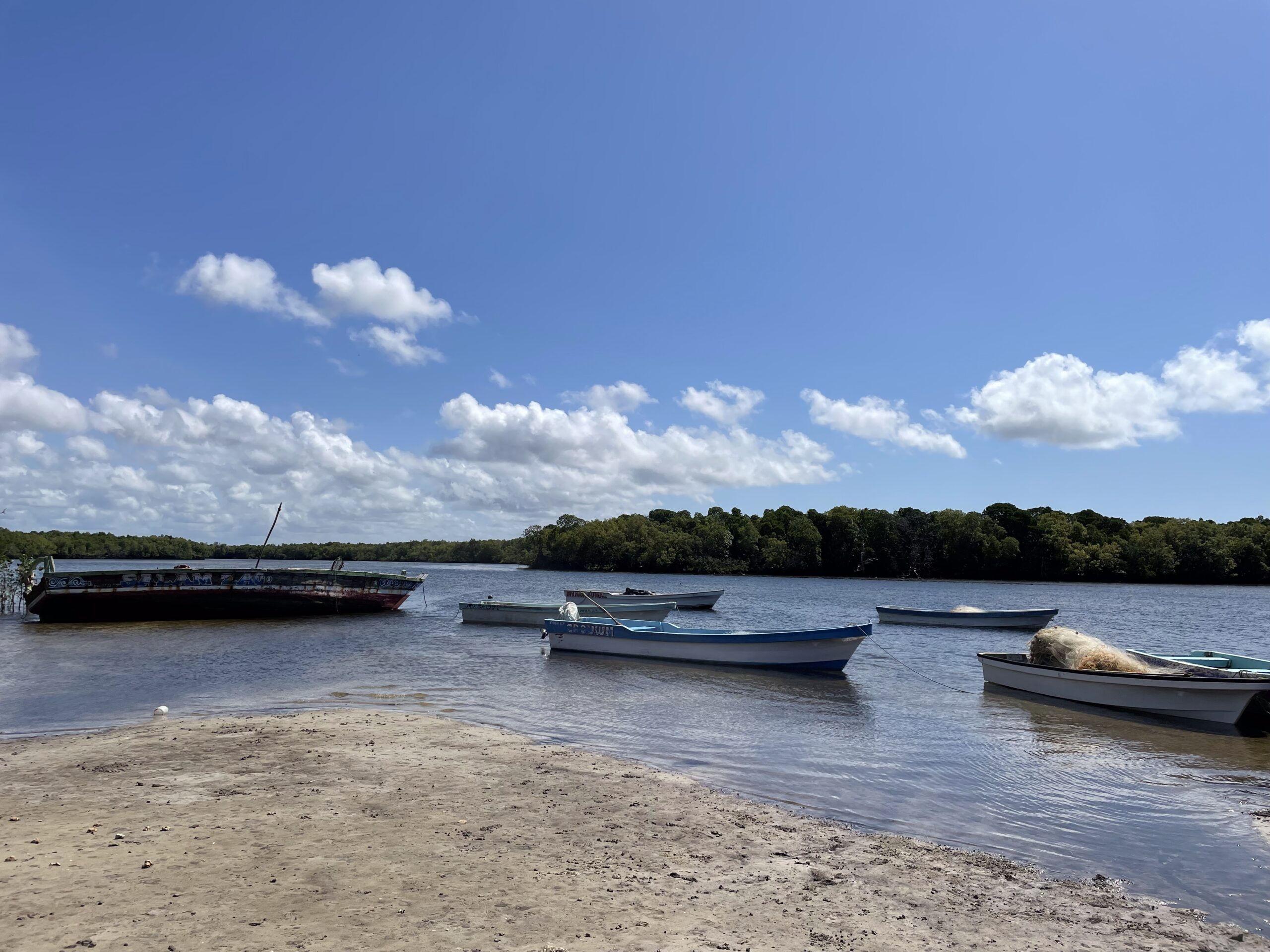
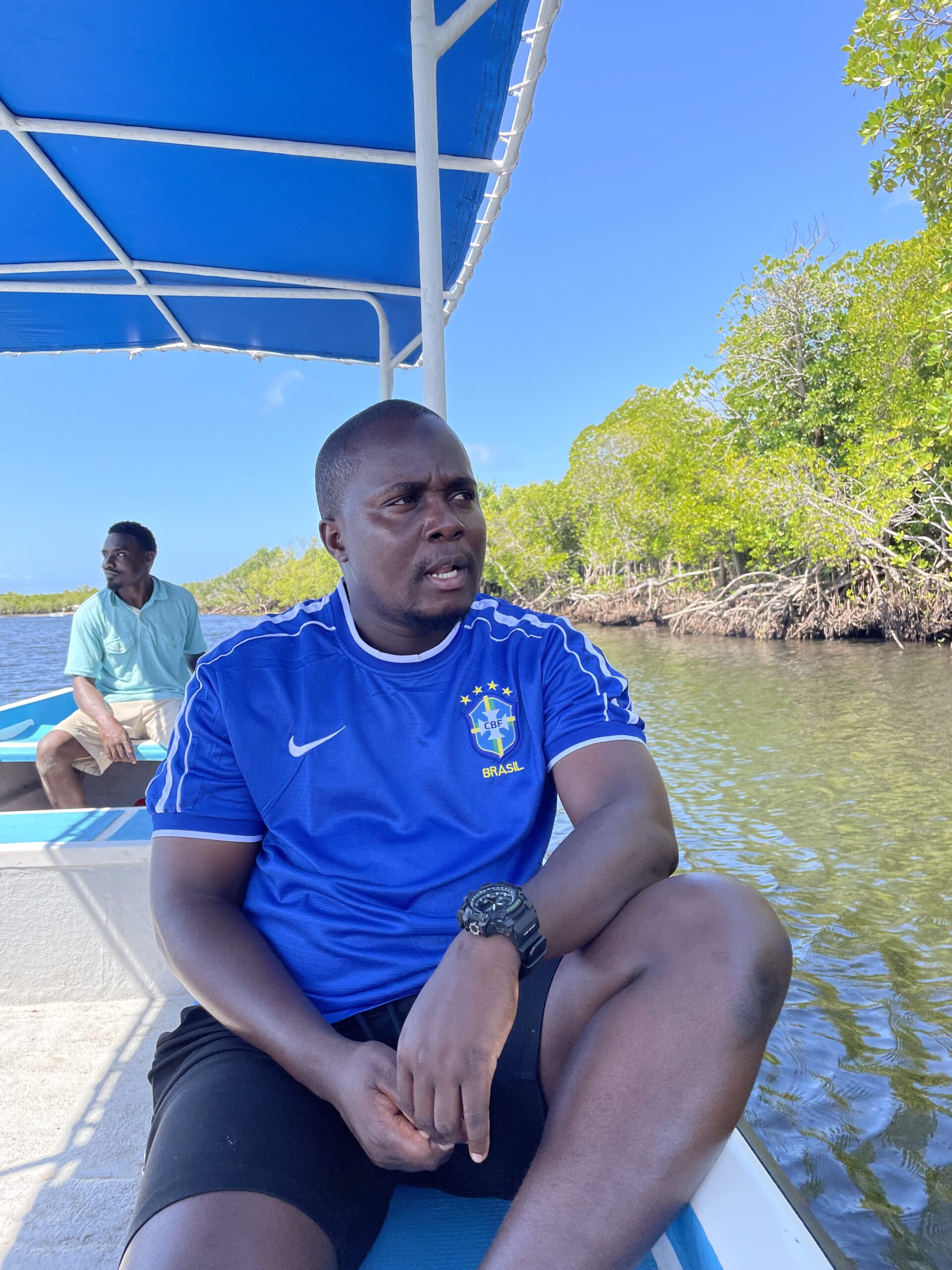
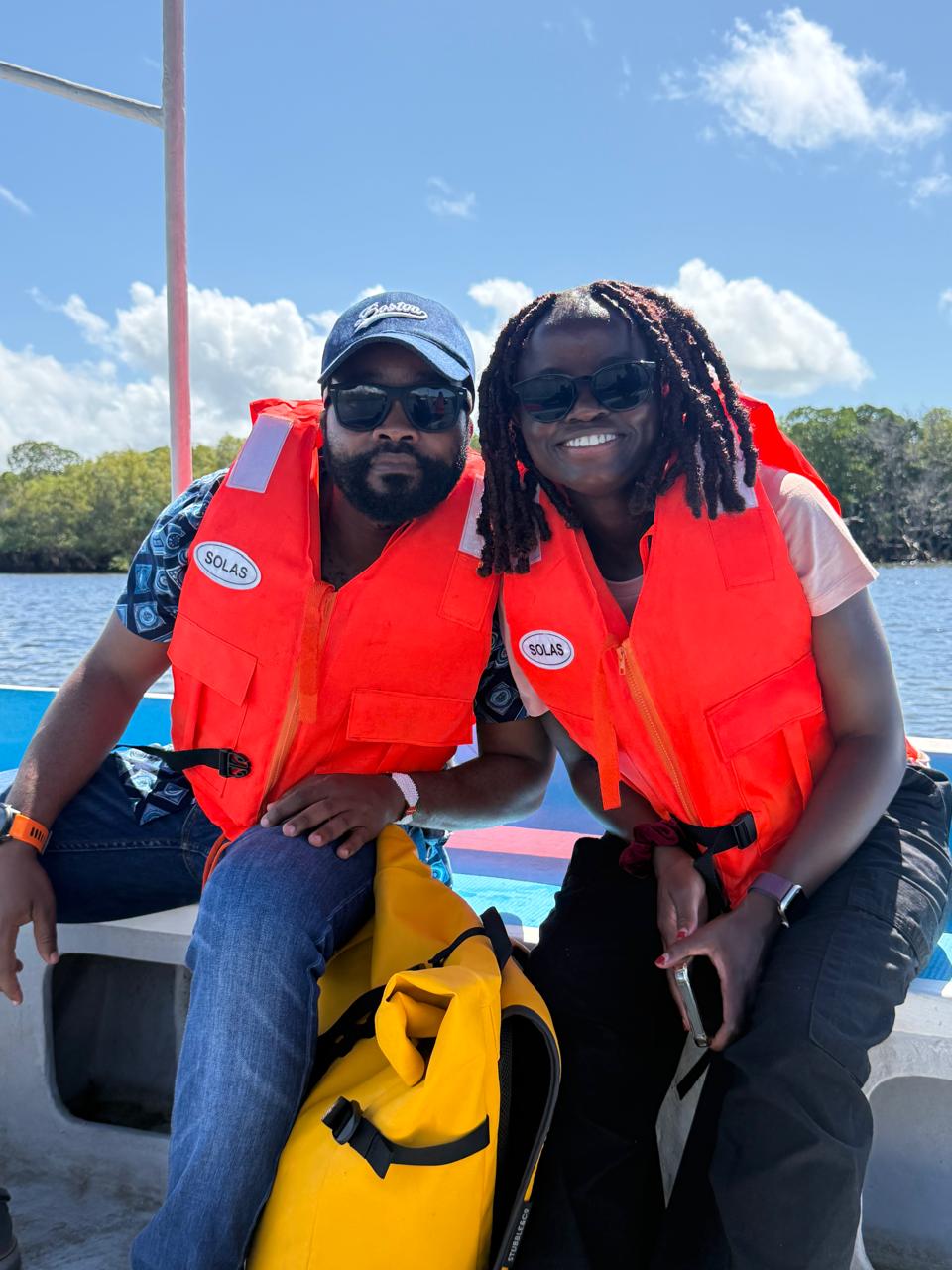
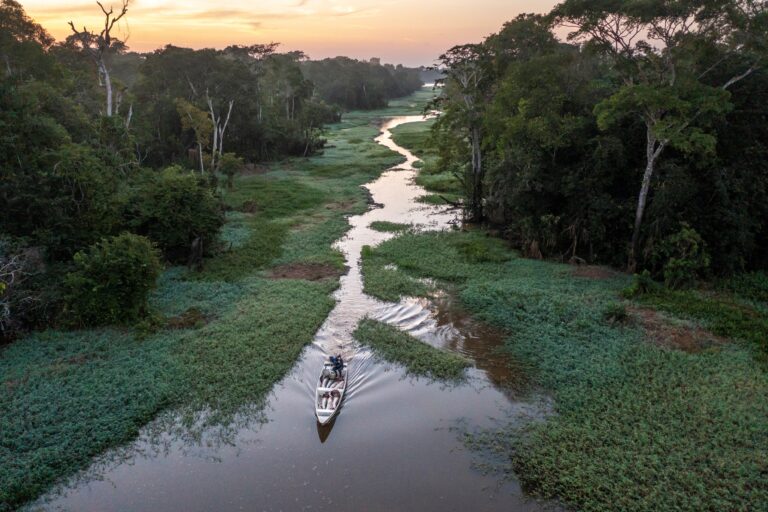
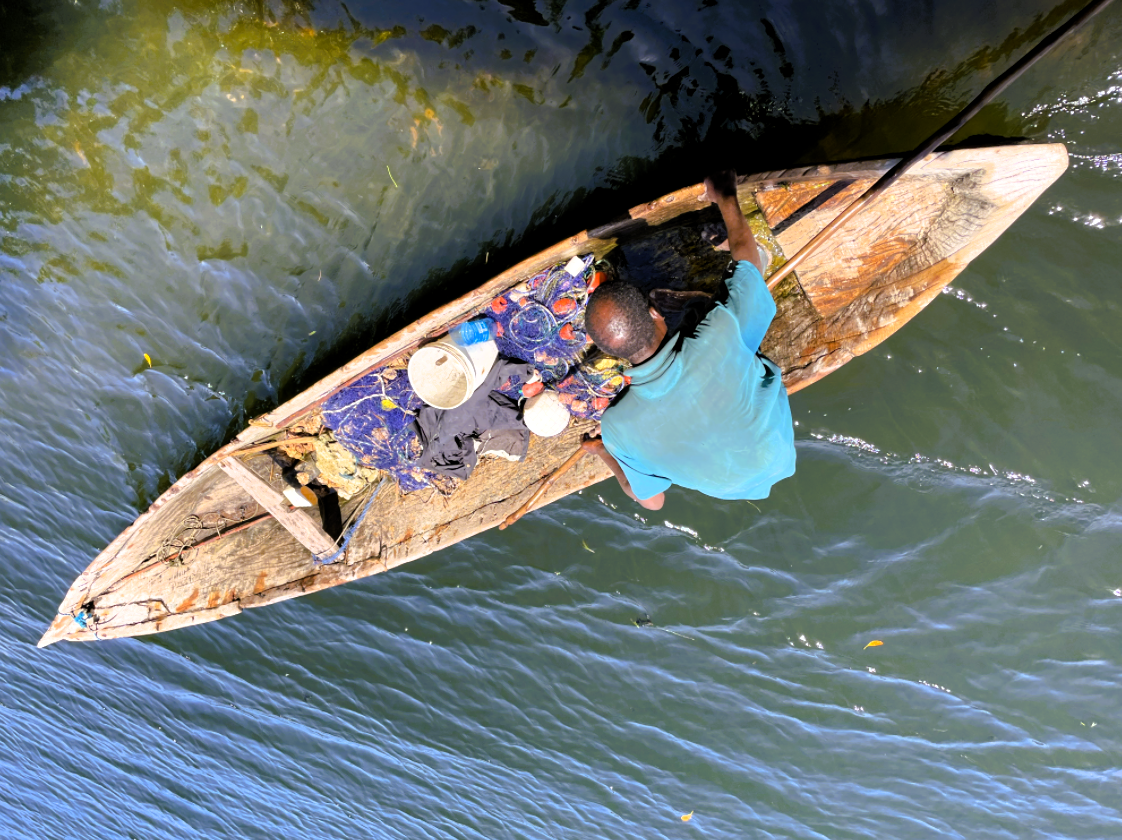
I went by boat into the mangroves in both locations. As you might expect, it’s a beautiful experience. These places are teeming with life.

They are also the subject of much scientific study, including by the Kenya Marine and Fisheries Research Institute, which works closely with the community and conservation projects along the coast. That is helpful because restoring mangroves in areas where they have been removed can be challenging.

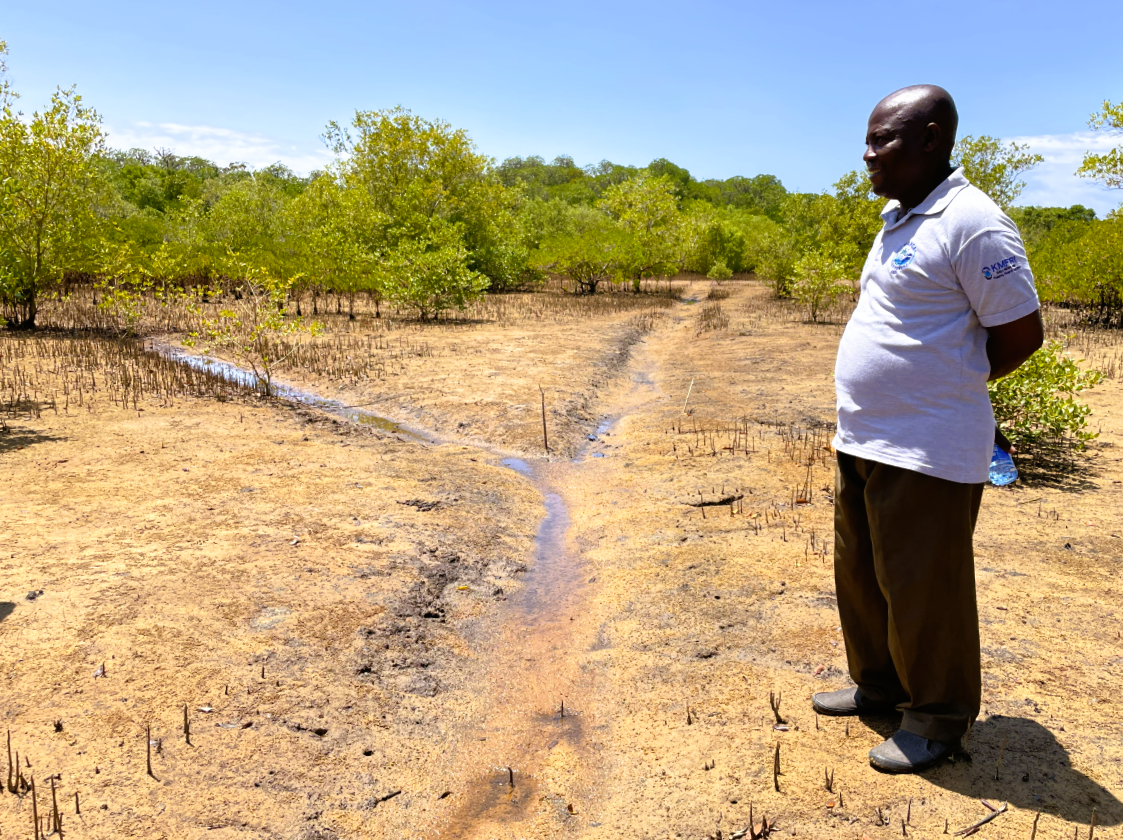
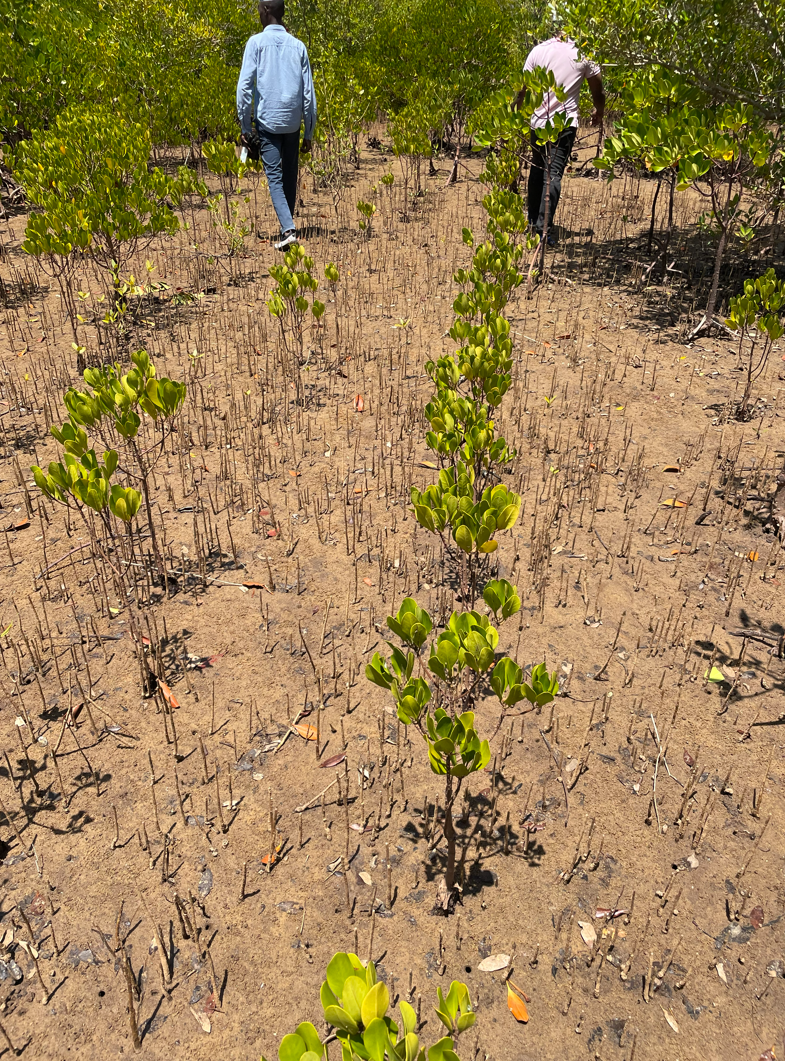
In Vanga, I saw how the project is encouraging mangroves to return in an area cleared for salt ponds by removing dikes and allowing tidal flows to return. The project team showed me how they take measurements of the trees in designated monitoring plots twice a year to calculate the carbon stock.

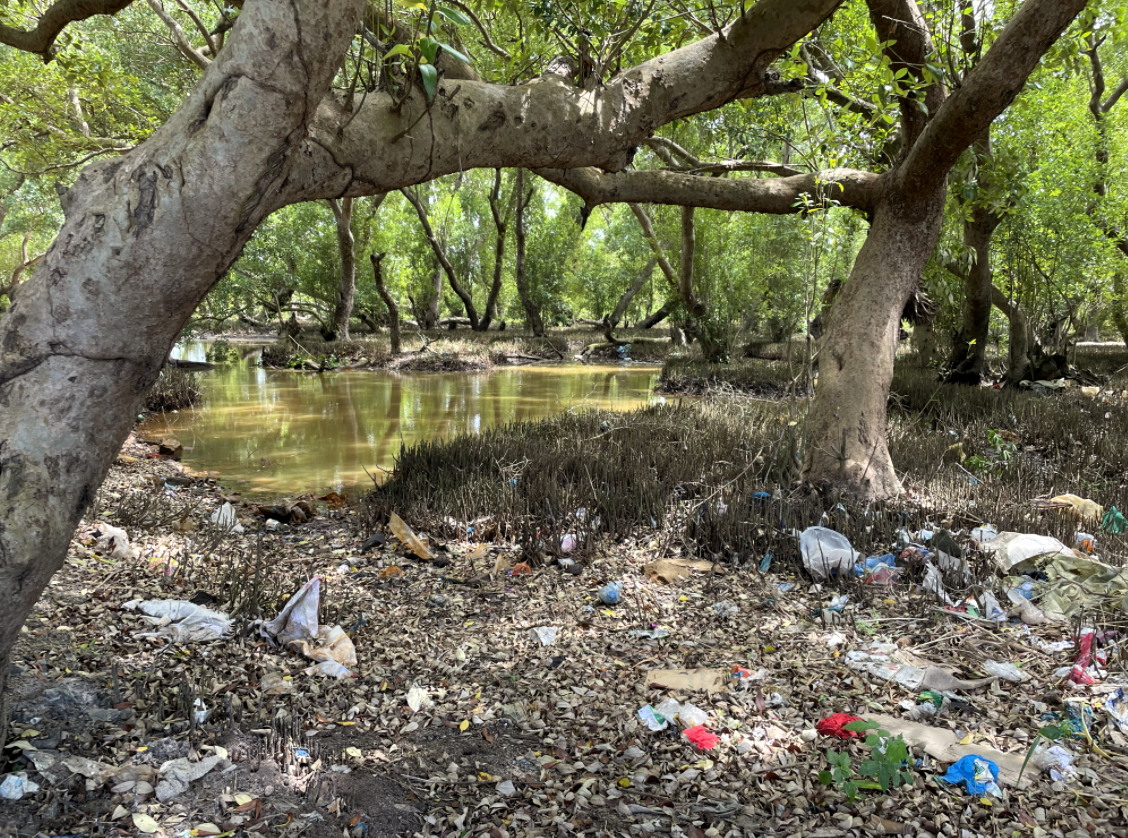
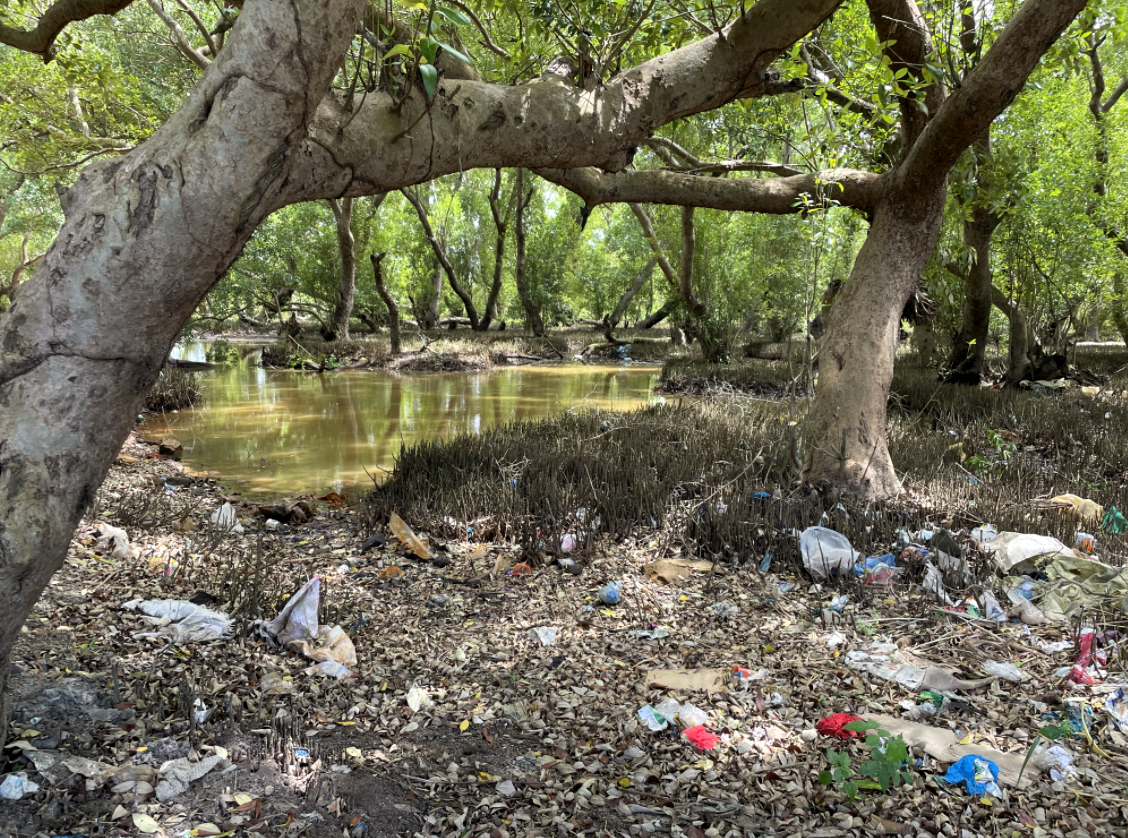
I also visited an offshore area where the community plans to step conservation of seagrass meadows with the goal of secure biodiversity credits. However, the tide was in, so all we saw was water! Managing this area will likely require the community to address plastic pollution, a very visible environmental problem in the area.

Plastic-pollution-1

Waste management and plastic pollution are still issues to be addressed.

Generating revenue from conservation to build resilience in coastal Kenya
sea-visit-2
Plastic-pollution
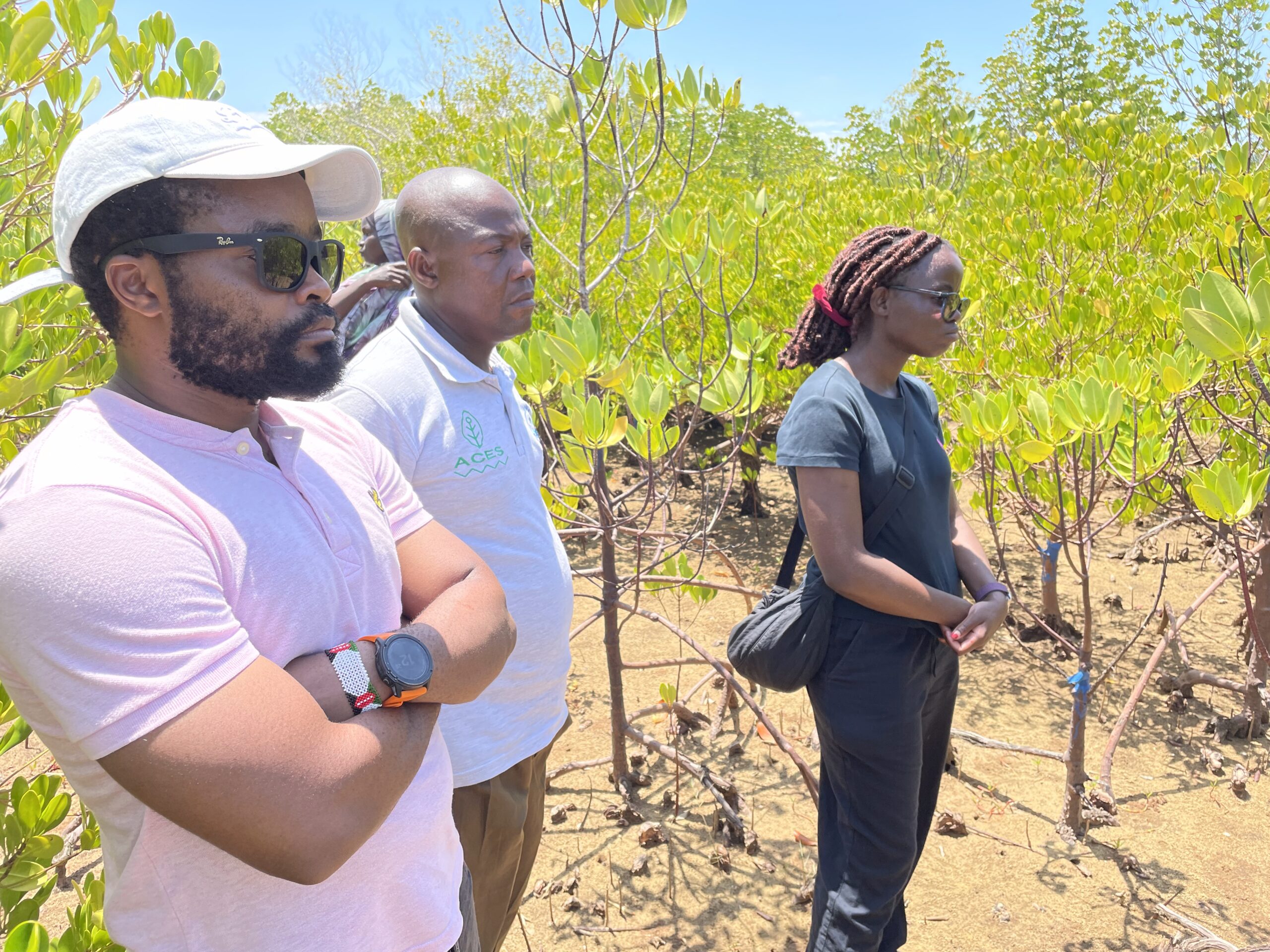
Carbon Committee Members on a seagrass site visit.
Generating revenue from conservation to build resilience in coastal Kenya
Water-channels-1
Plot2-1
Plot3-1
Mangrove restoration at a salt pond site. Field data collection for carbon project monitoring take place over several days twice a year.

What were your main takeaways?

I was impressed at the sophistication of these projects, and with the capacity and engagement of the communities. It is no secret that carbon projects can take years to deliver their first credits, but to also keep them running for many more years requires things like consistent monitoring and data collection, regular reporting, periodic verification audits, and the patrolling of the areas under conservation.

Then there’s the whole community side: organizing consultations, supporting the carbon committee, prioritizing and implementing initiatives with the revenue raised. The project coordinators, who are themselves drawn from the community, are on a steep learning curve and have their hands full!

This all reflects well on the approach taken by Plan Vivo, which only certifies projects in which local communities play a central role and receive a fair share of the benefits, both financial and in the form of greater resilience in the face of future challenges. 

scientist-1-2
Soil1-2
Soil2-1
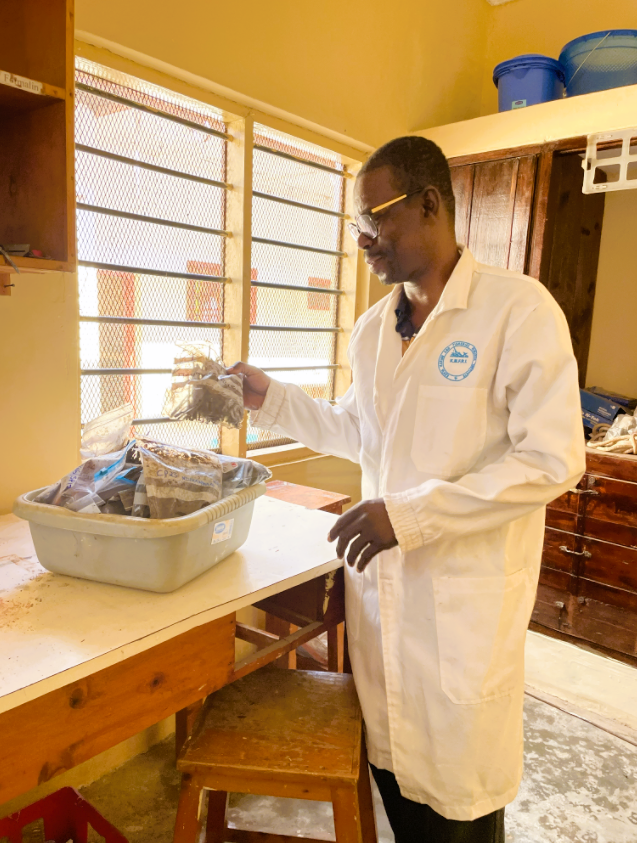
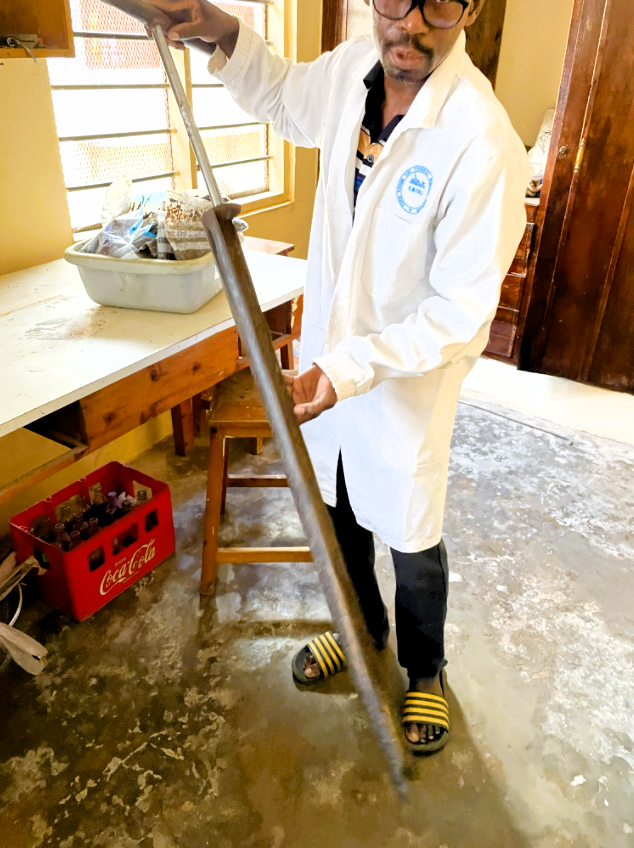
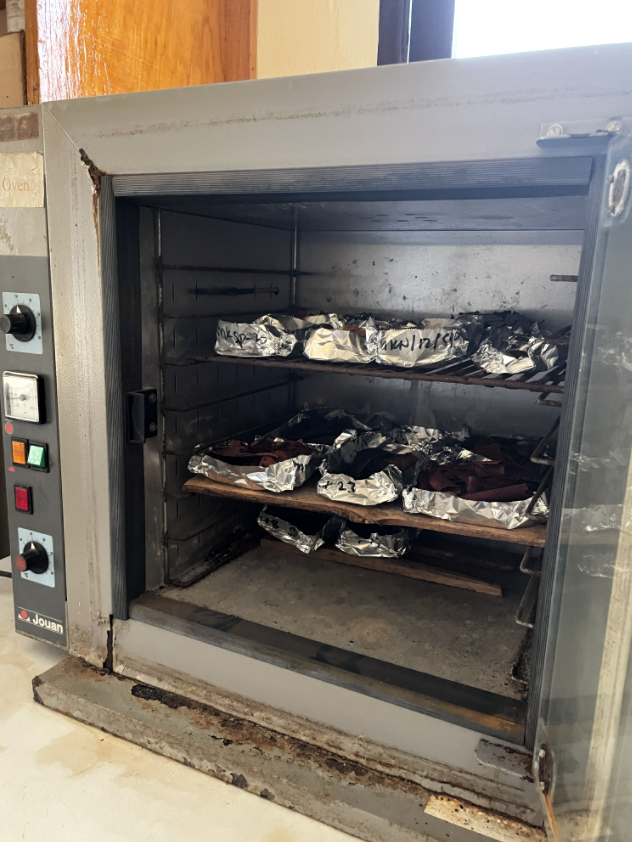
Soil and forest litter carbon measurement at KMFRI laboratory in Gazi village.
Generating revenue from conservation to build resilience in coastal Kenya
I was impressed by the sophistication of these projects and the capacity of the communities in managing them. Communities play a central role and receive a fair share of the benefits, both financial and in the form of greater resilience.
Generating revenue from conservation to build resilience in coastal Kenya
Nina Saalismaa

Senior Programme Manager

Generating revenue from conservation to build resilience in coastal Kenya