Bridging Market Forces and Ecosystem Protection for Coastal Communities in Tanzania
How does Blue Alliance fit into the Trafigura Foundation’s strategy?
We support initiatives that enable people to improve their lives and master the challenge of climate change, including by protecting and restoring the ecosystems that are the foundation of their economies.
Blue Alliance is advancing that goal by strengthening the management of marine protected areas in Asia and Africa, including by working with local communities to create businesses that offer alternatives to destructive fishing practices.
Why Pemba Island?
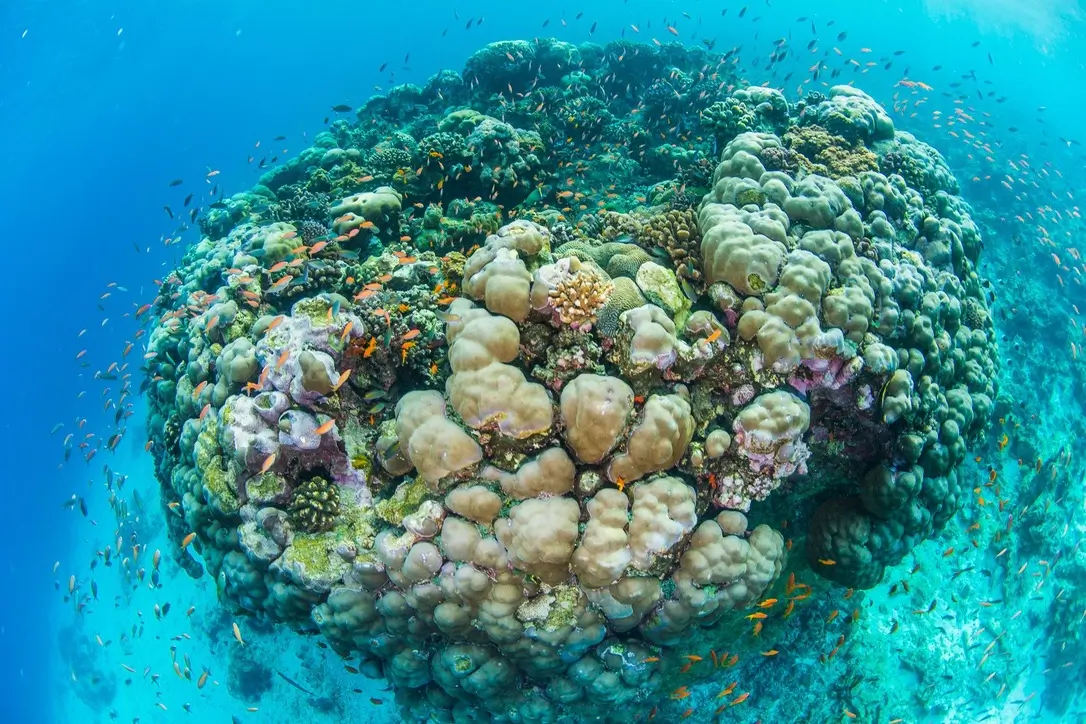
Pemba Island is home to approximately 543,000 people, many of whom rely on fishing for their livelihoods. The waters around the island are the nurseries for fish and other species that many people depend on for food and income. They hold coral reefs, mangroves and seagrass meadows that are also a refuge for dozens of endangered species, including sea turtles, dolphins and dugongs.
They are also the nurseries for fish and other species that many people depend on for food and income. Thanks to cold water upwelling in the Pemba Channel, the coral reefs are a potential climate refuge. But these ecosystems are under threat from unsustainable exploitation as well as pressures from our changing climate.
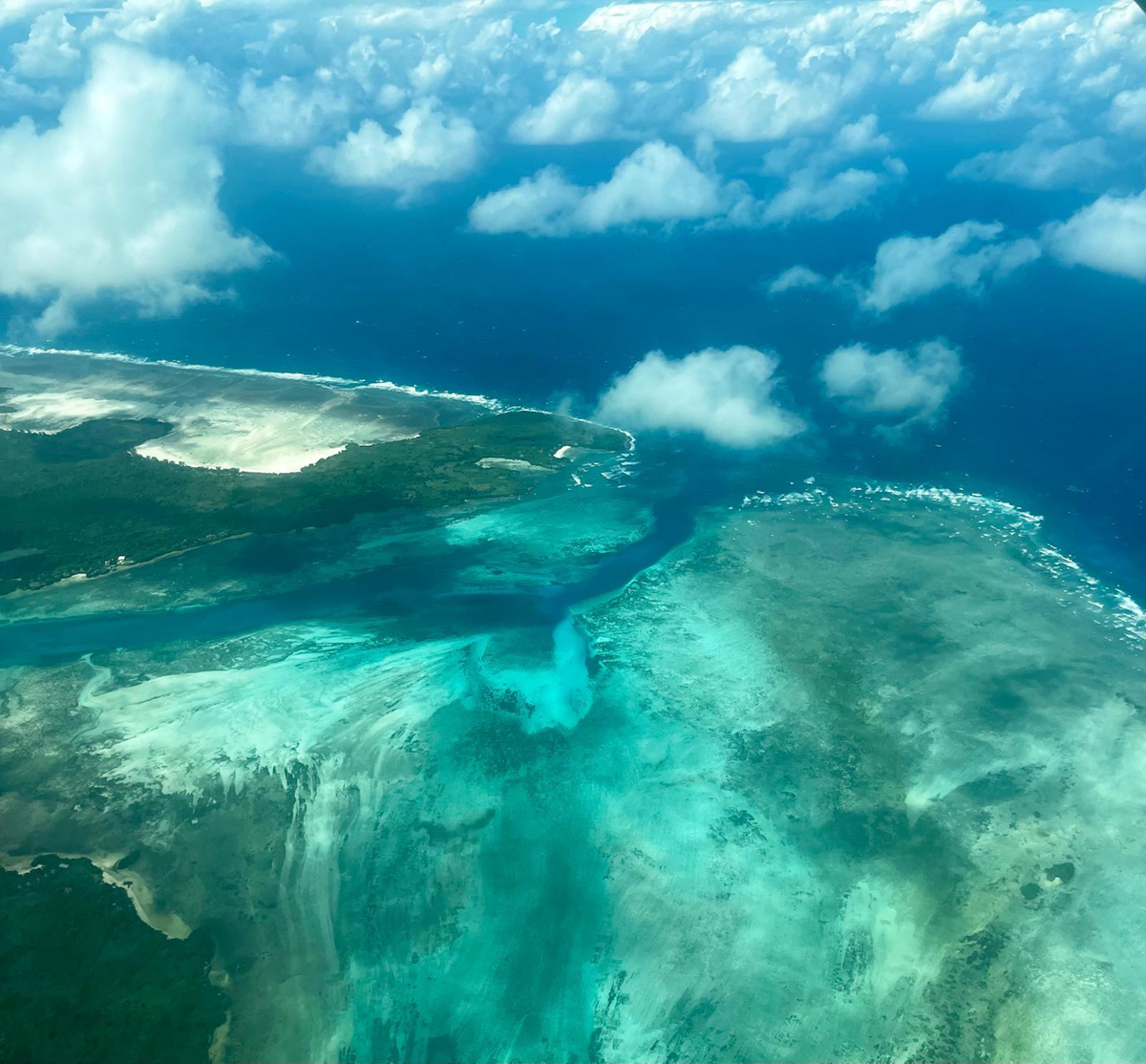
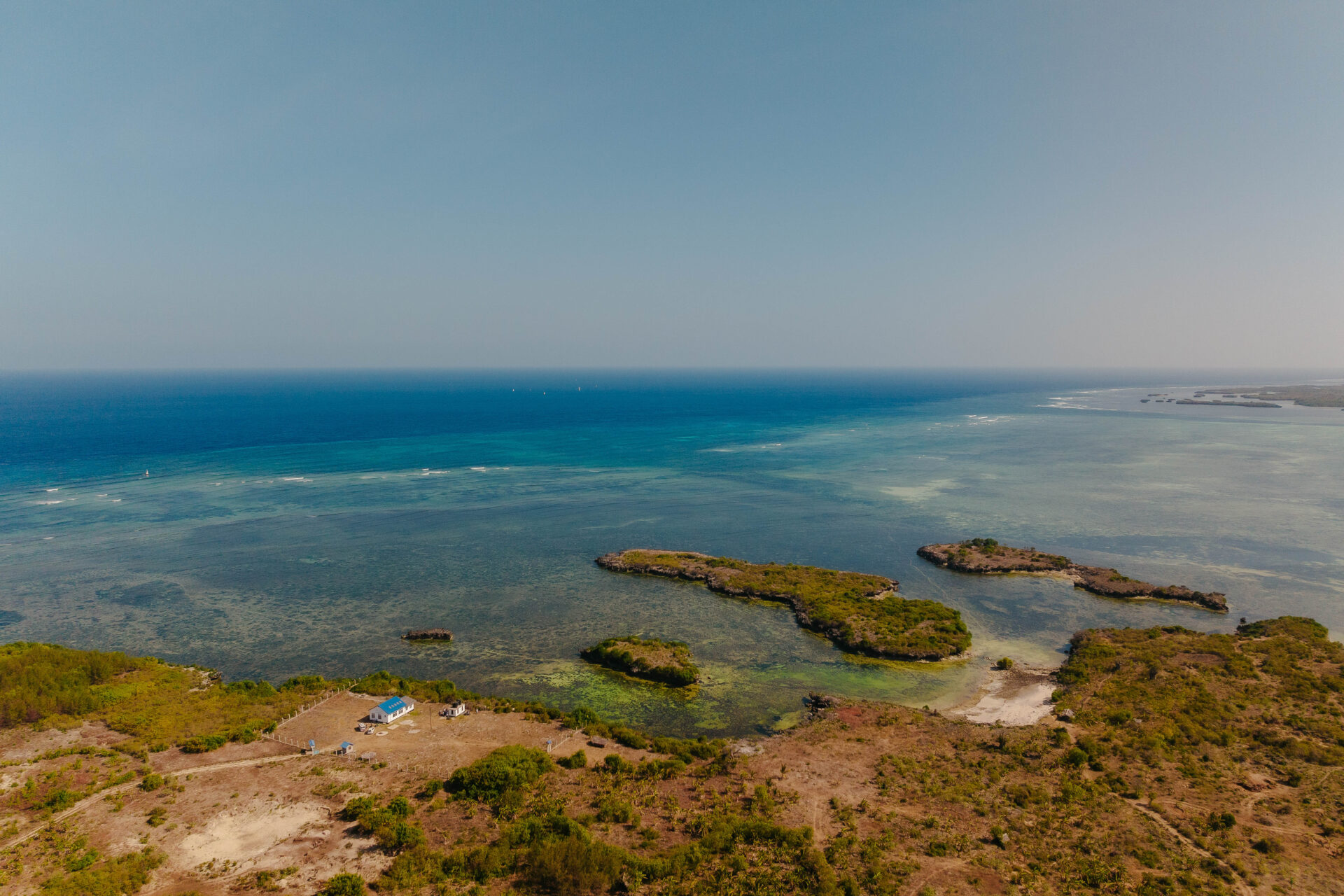
Under long-term agreement with the government, Blue Alliance co-manages a marine protected area (MPA) covering 27,000 hectares in the north of the Pemba Channel Conservation Area. As well as monitoring and protecting wildlife in the MPA, Blue Alliance and authorities are seeking to build what they call “reef-positive businesses” and foster local economic development.
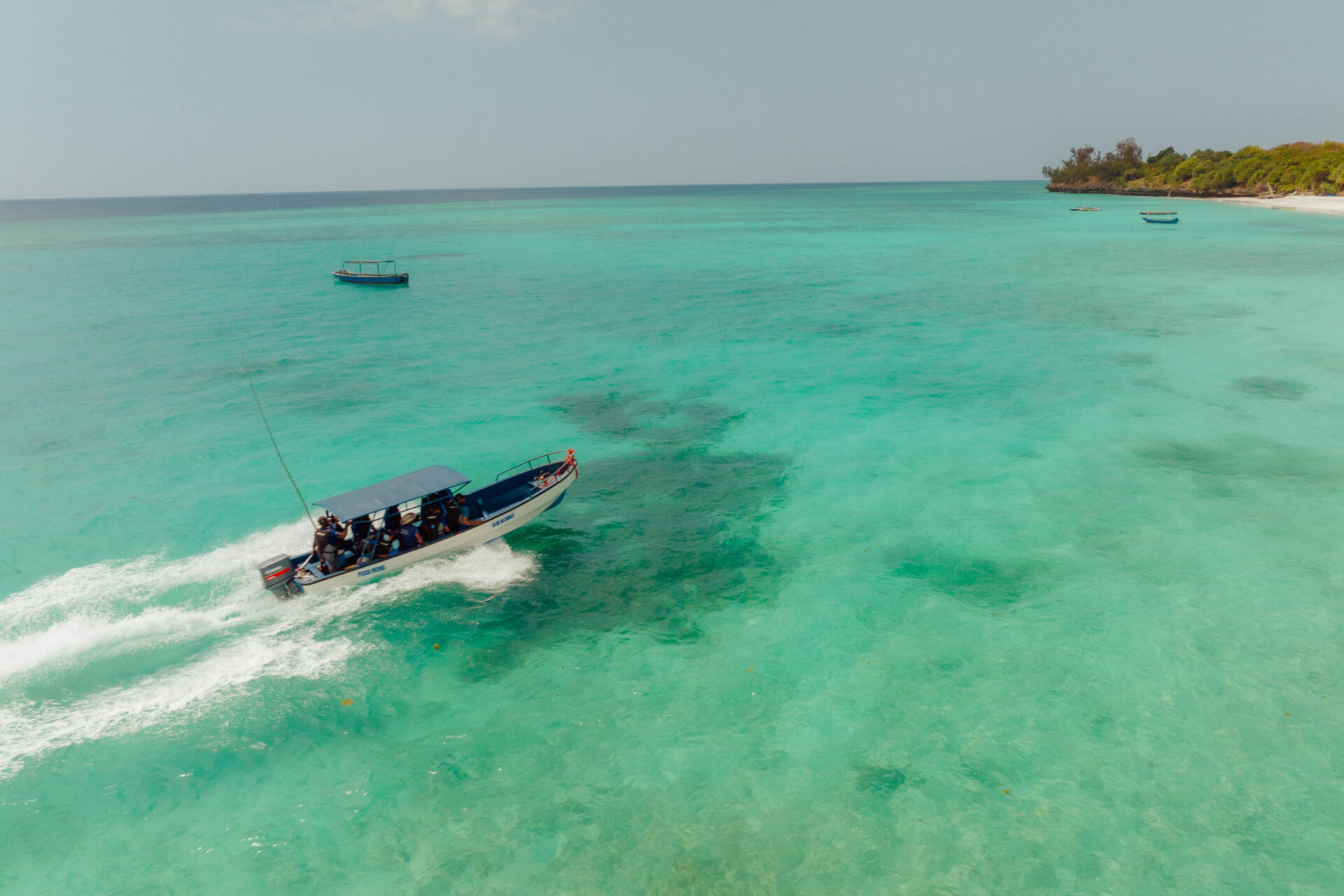
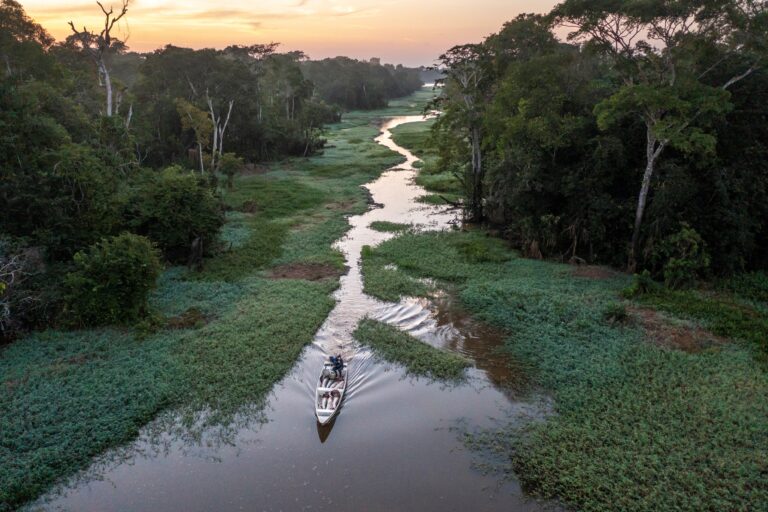
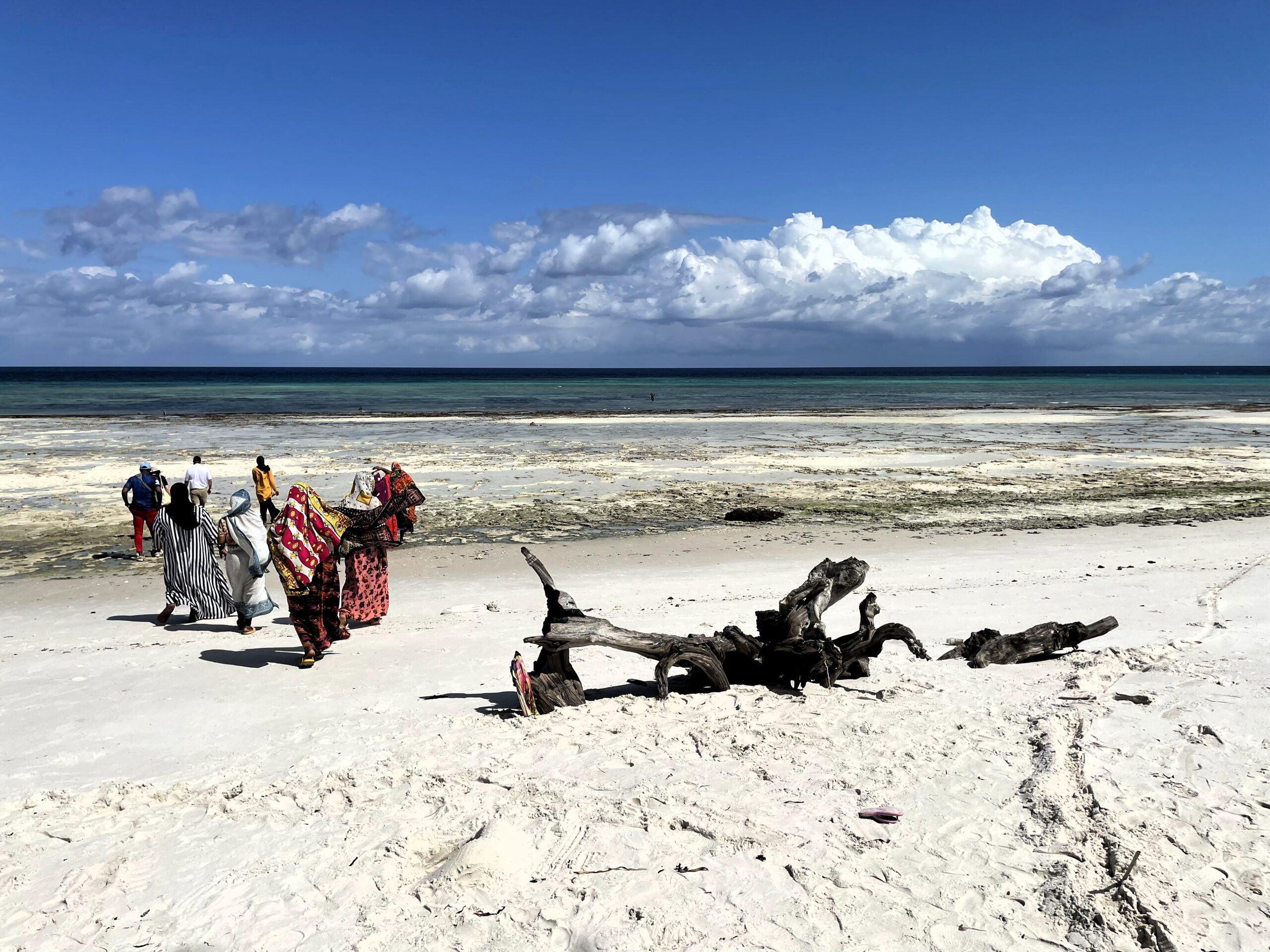
The waters around Pemba Island support coral reefs, mangroves and seagrass ecosystems that provide food, income and habitat for marine species.
For Blue Alliance, protecting marine ecosystems and strengthening local livelihoods go hand in hand.
What were your impressions of the island?
Travelling through Pemba, the needs are obvious. The community-members in the towns and villages make a living from fishing and small businesses, with many people engaged in subsistence-level activities and living in poverty.
You also notice how young people are – I read that the average age in Tanzania is about 18 – so there are huge needs but also huge potential, if the right solutions can be found.
How can MPS make a difference?
Ecotourism is a clear opportunity. Building the sector crucially depends on the conservation and sustainable use of the natural resources that visitors will come to enjoy.
Blue Alliance is trying to ensure that tourism operates in ways that will help finance the MPA and its precious ecosystems while providing benefits for local communities over the long-term.
For example, part of the fees collected from educational coral dives organised by a resort located on the edge of the MPA go towards Blue Alliance’s MPA management.
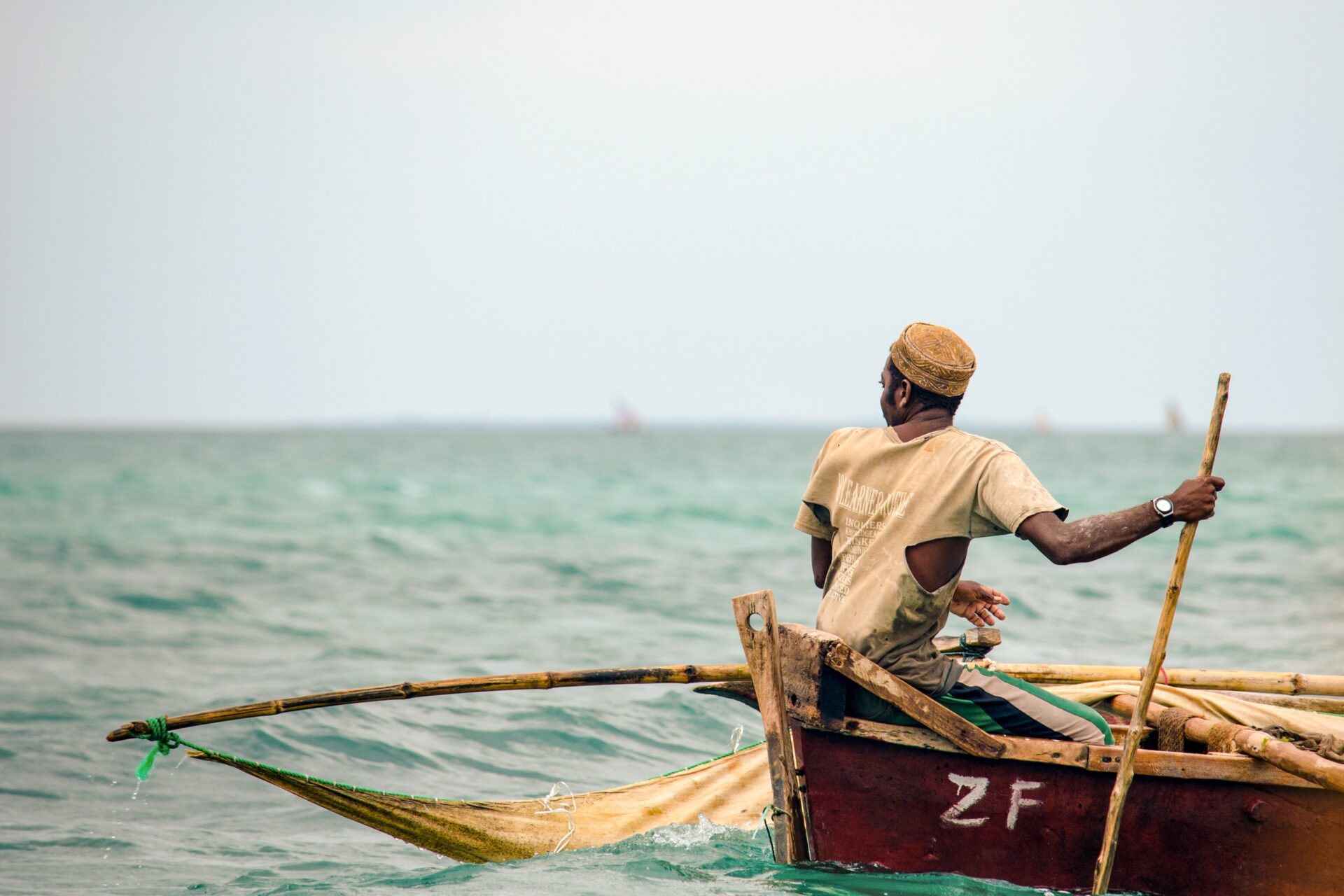
Local fisher using traditional, non-destructive fishing methods. Blue Alliance works with local communities to develop livelihoods that support both people and marine conservation.
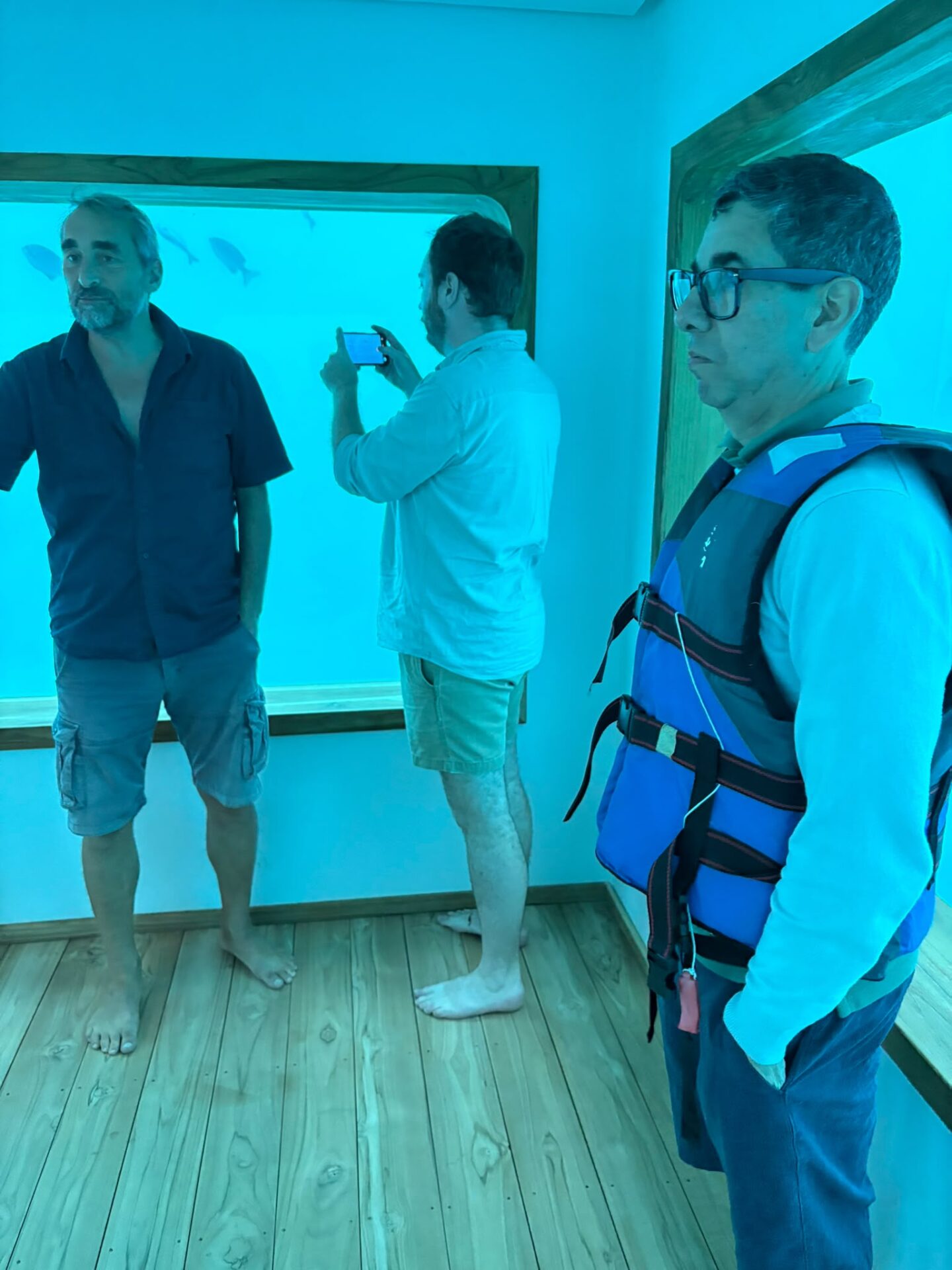
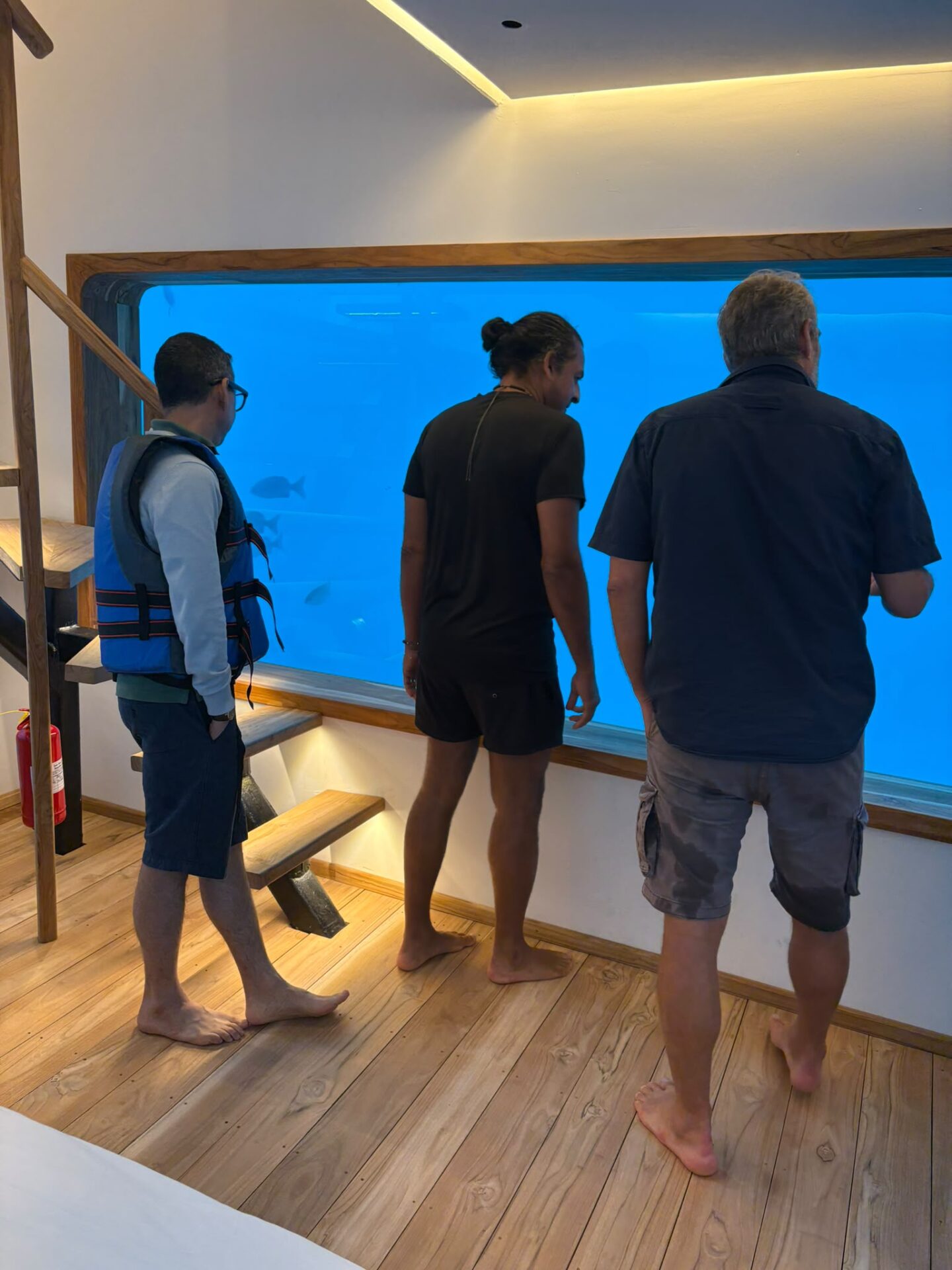
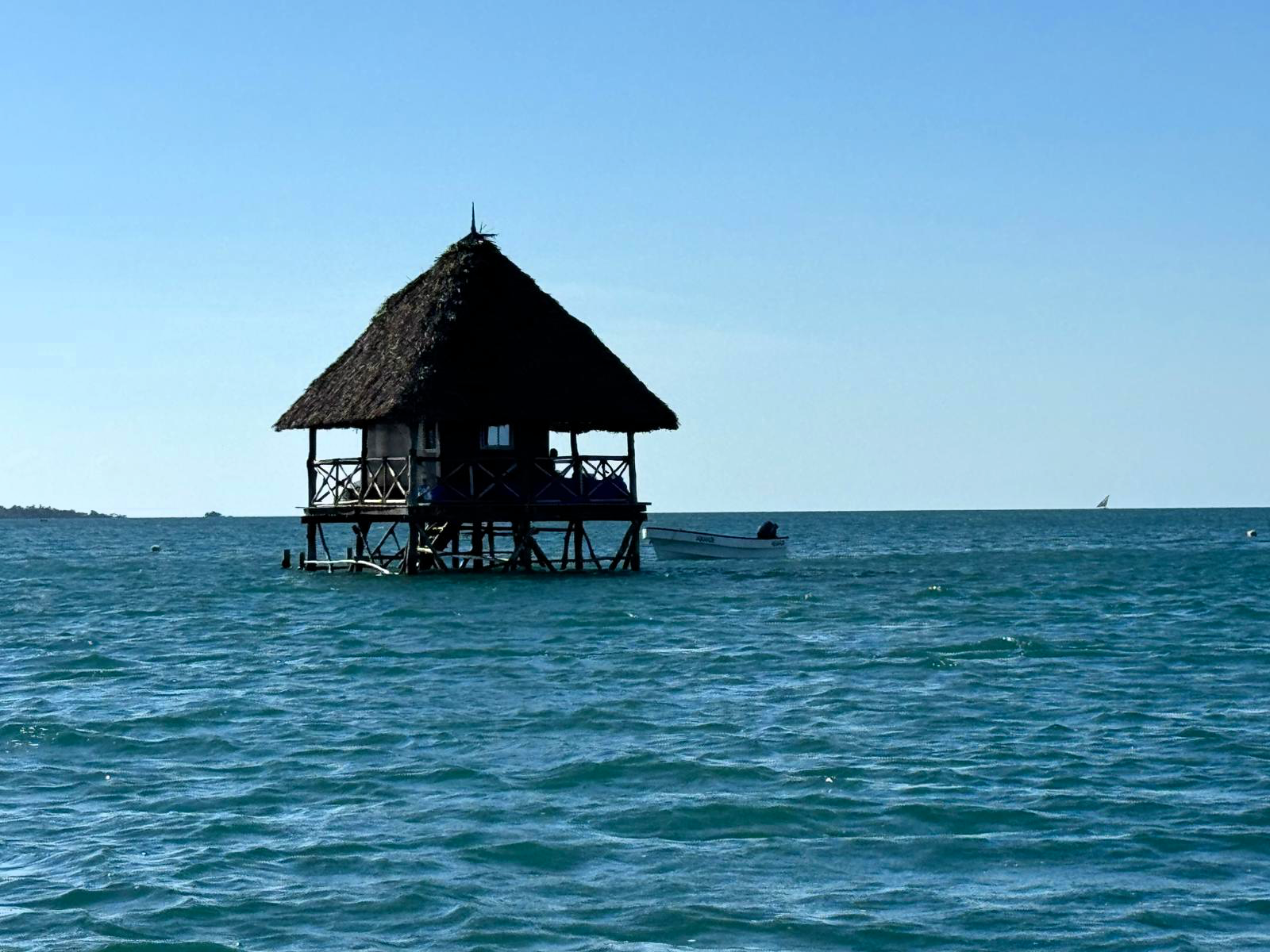
Underwater accommodation experiences showcase the potential of sustainable tourism models to support marine conservation efforts.
Does strengthening conservation mean restricting fishing?
Geographically, yes; economically, no.
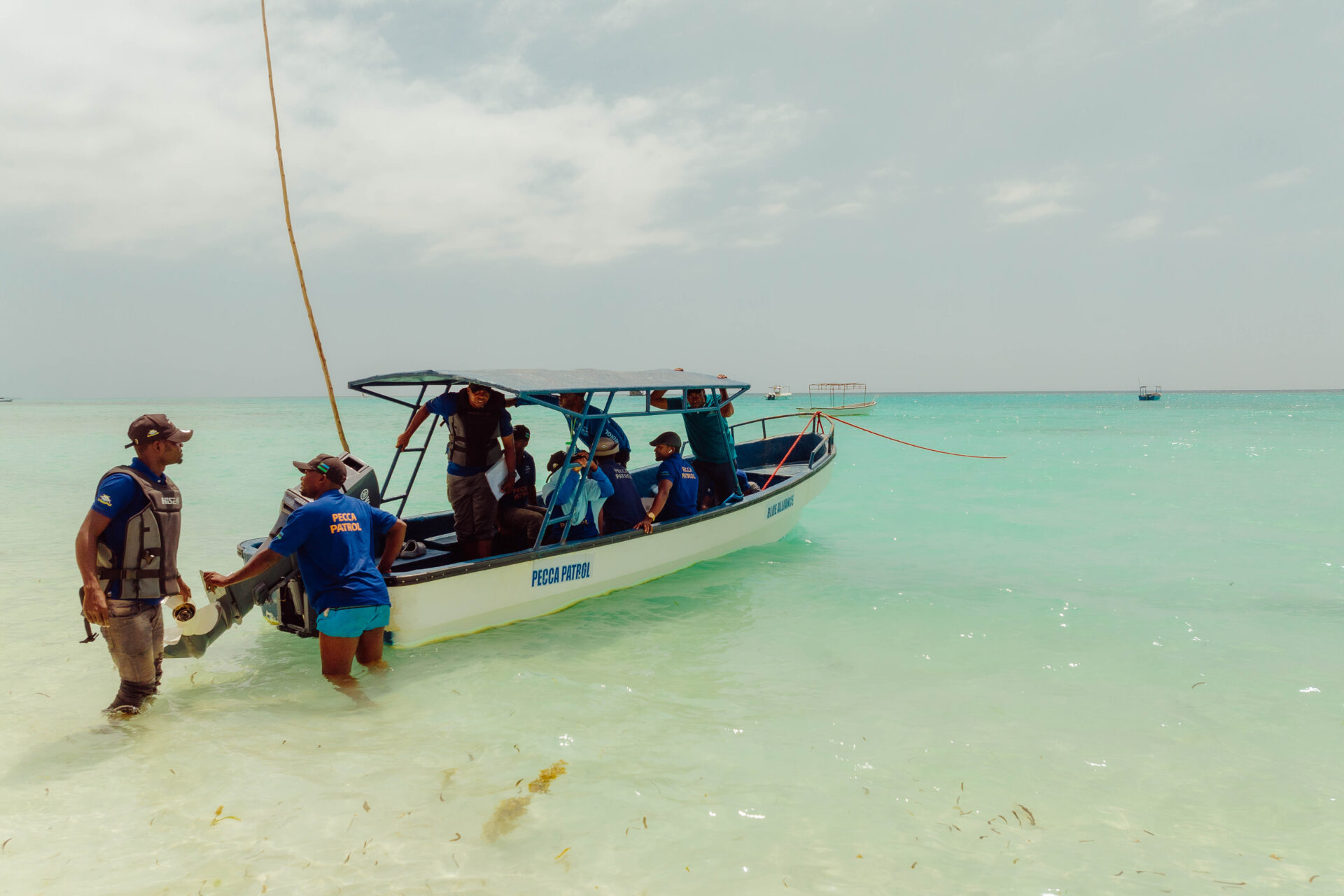
Improving the management of the MPA inevitably includes compliance with restrictions designed to conserve the ecosystem: for example, what gears you can use, what fish species and sizes you can fish and when. I met with some members of the ranger teams that Blue Alliance has trained and equipped to patrol the MPA and work with village fisher committees to make sure fishing is done in accordance with the law.
The rangers have been deputised, so they can and do make arrests. But they are unarmed and seek to de-escalate in conflict situations. The emphasis is on, for example, persuading fishers to respect no-take zones and not to fish with dynamite which damages the reefs and ultimately undermines their own livelihoods.
It takes time to change established behaviour in a situation where many people are living hand-to-mouth. The most persuasive argument will be a tangible increase in the catches of local fishers using sustainable methods as a result of the strengthening of the MPA.
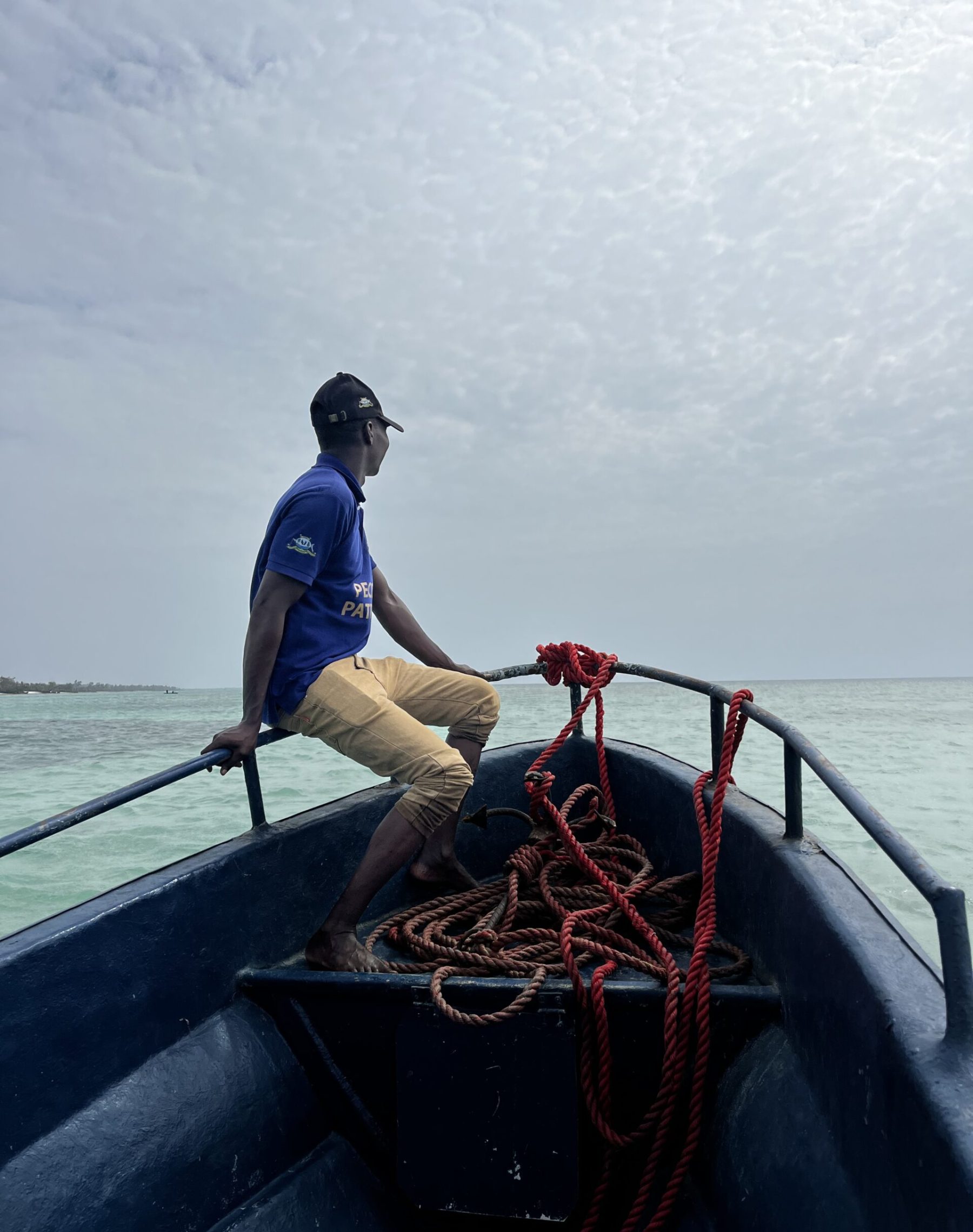
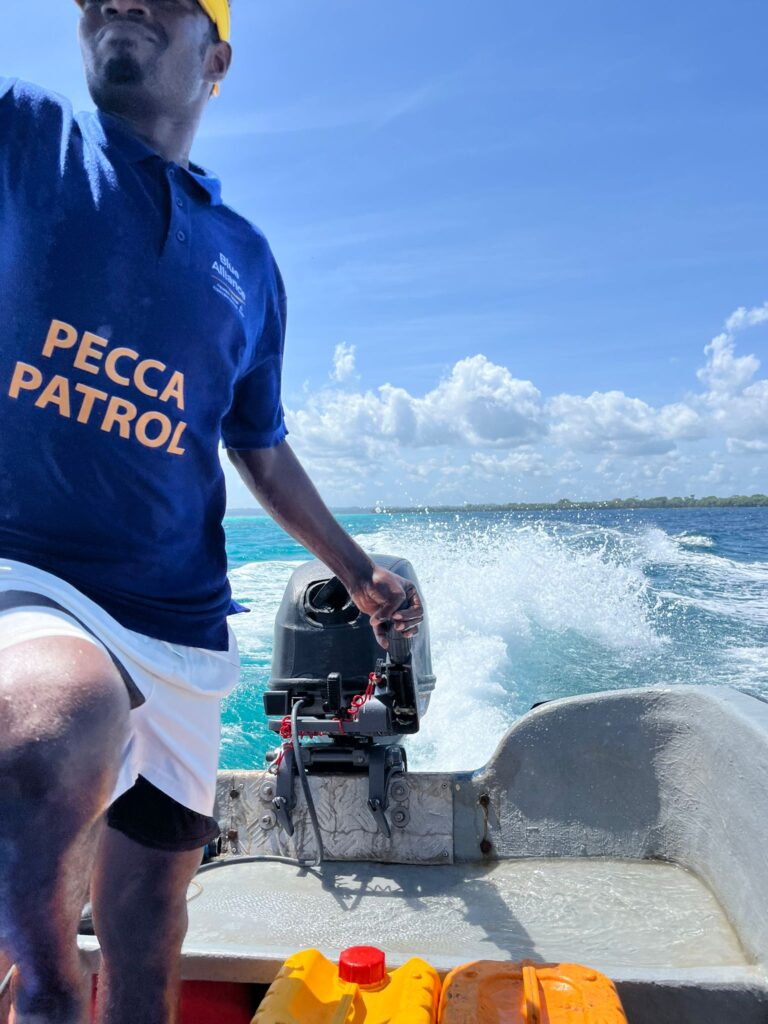
Trained ranger teams patrol and monitor the marine protected area, helping protect ecosystems and support sustainable fishing practices.
Is ecotourism enough to sustain the MPA?
Ecotourism is just one of several reef-positive business that Blue Alliance hopes can provide a sustainable source of finance for the MPA and reliable jobs for local people. Another is the commercialization of sea cucumber farming.
The economic potential is huge. People in Pemba collect sea cucumbers along the shore. The produce is typically exported to another country, where it is cleaned and dried and sold for a much higher price, mainly to customers in Asia. Blue Alliance has established an aquaculture and processing business, Aquahub Zanzibar Ltd. in order to keep more of the revenue and jobs in Pemba, and reduce the pressure on wild stocks of sea cucumber.
During my visit, I saw how workers are upgrading an existing small sea cucumber facility under the direction of an expert consultant drafted by Blue Alliance. They are building large tanks in which sea cucumber will be raised from larvae, then taken to the beach where local fishermen will grow them in pots in the shallows to maturity. They will then be brought back to the facility for processing.
With close coordination between this up-and-coming business and the community, significant benefits are expected to follow.
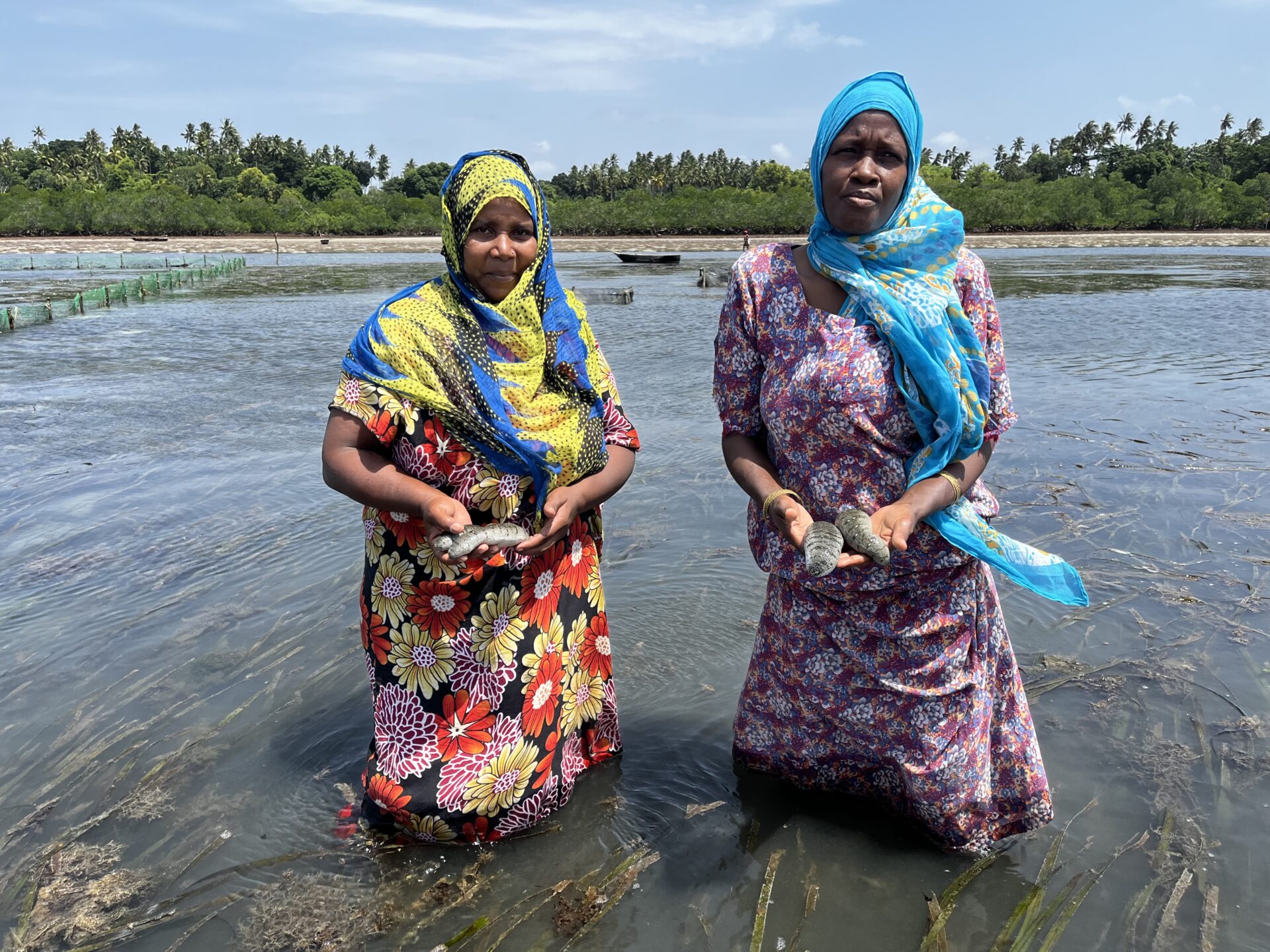
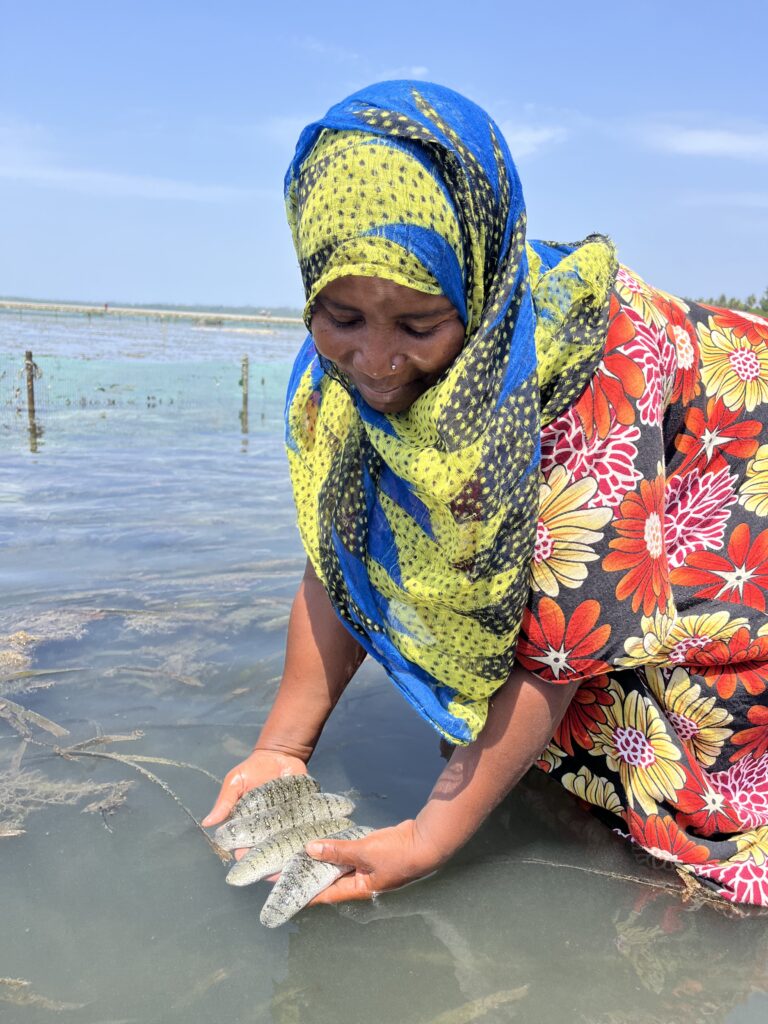
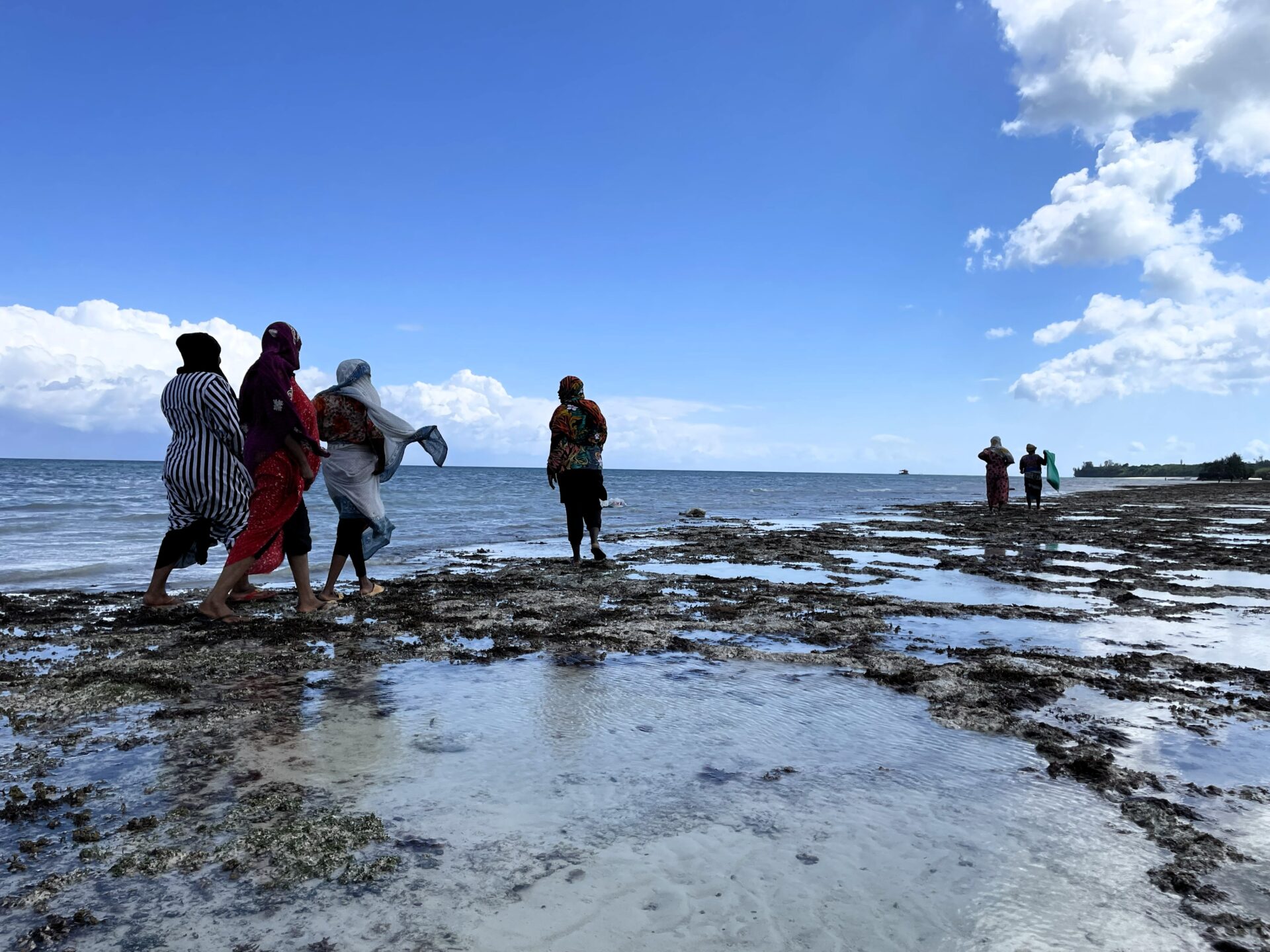
Local women contribute to sea cucumber farming, supporting sustainable livelihoods while helping retain value in Pemba and reduce pressure on wild stocks.
The Pujini sea cucumber hatchery aims to create local livelihoods while reducing pressure on wild sea cucumber stocks.
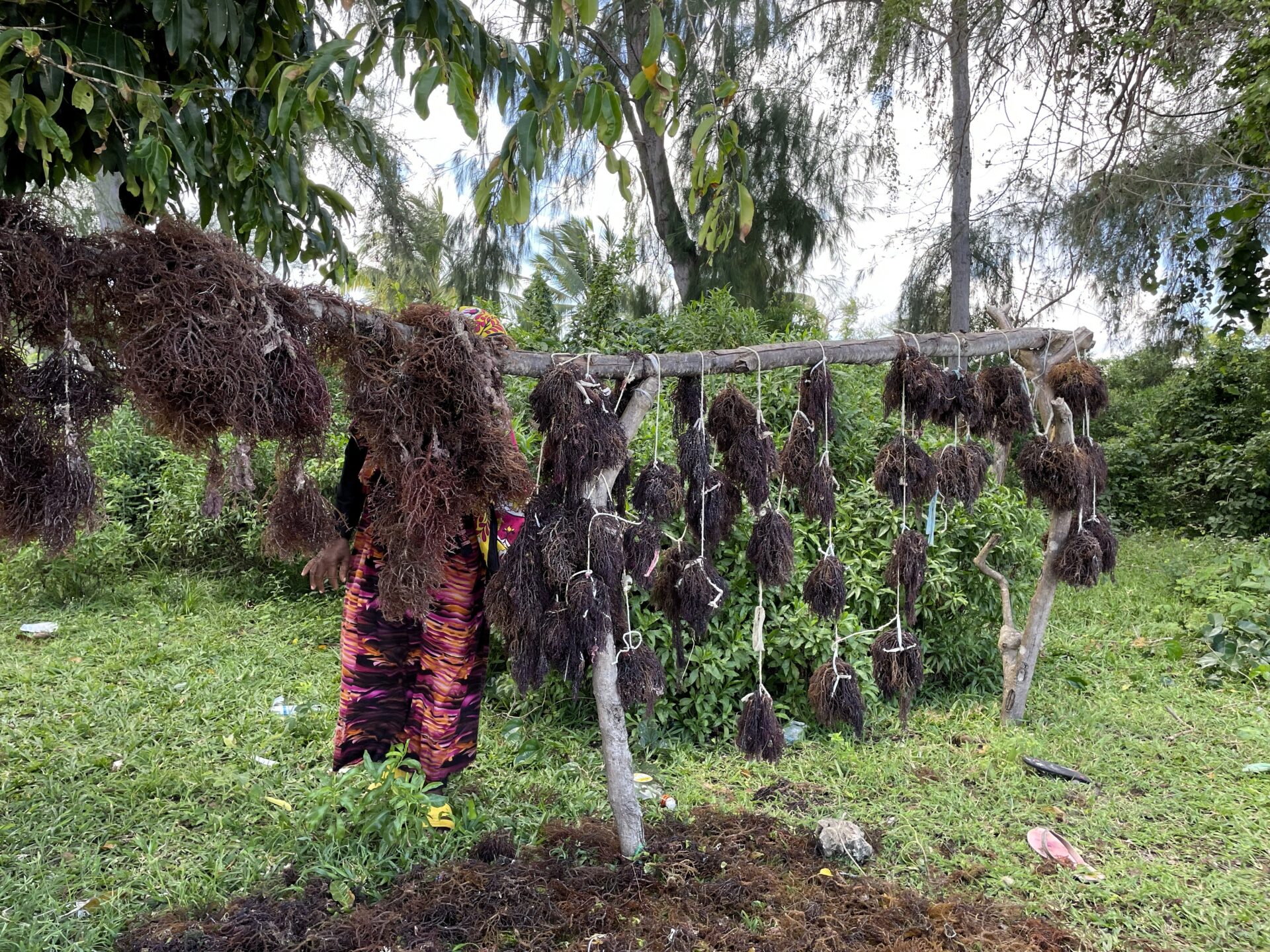
Seaweed farming is another aquaculture initiative in Pemba, where women dry red algae on elevated wooden racks before it is processed into carrageenan, a natural gelling agent used worldwide in food, cosmetics and pharmaceuticals.
What were your key takeaways from the visit?
Ecotourism is just one of several reef-positive business that Blue Alliance hopes can provide a sustainable source of finance for the MPA and reliable jobs for local people. Another is the commercialization of sea cucumber farming.
The economic potential is huge. People in Pemba collect sea cucumbers along the shore. The produce is typically exported to another country, where it is cleaned and dried and sold for a much higher price, mainly to customers in Asia. Blue Alliance has established an aquaculture and processing business, Aquahub Zanzibar Ltd. in order to keep more of the revenue and jobs in Pemba, and reduce the pressure on wild stocks of sea cucumber.
During my visit, I saw how workers are upgrading an existing small sea cucumber facility under the direction of an expert consultant drafted by Blue Alliance. They are building large tanks in which sea cucumber will be raised from larvae, then taken to the beach where local fishermen will grow them in pots in the shallows to maturity. They will then be brought back to the facility for processing.
With close coordination between this up-and-coming business and the community, significant benefits are expected to follow.