Thriving nature

We strengthen climate adaptation by supporting conservation, restoration, and
sustainable land and water use. We work with partners that place local communities at the centre as stewards and owners of the natural resources on
which they depend.

The challenge

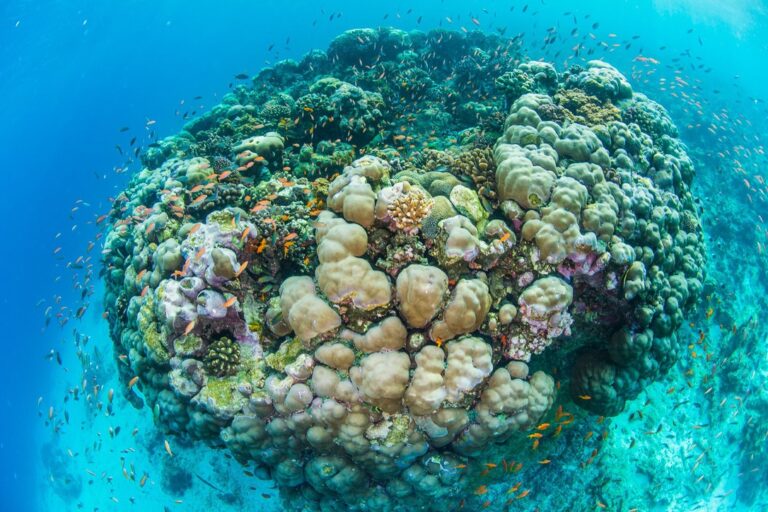
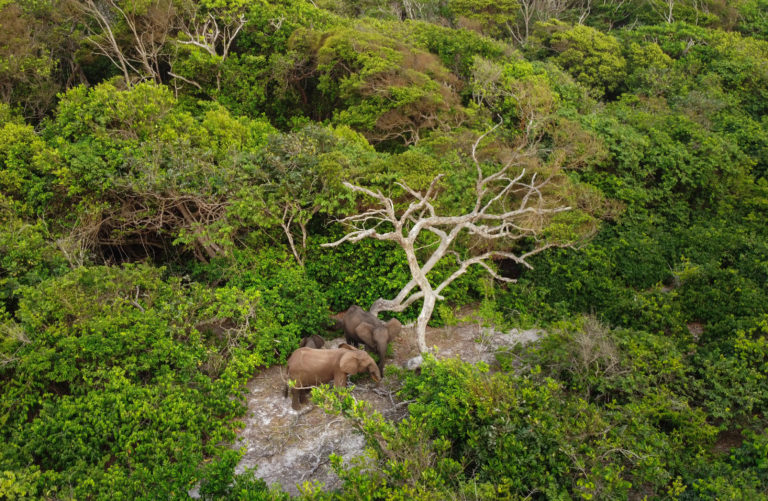
Healthy nature provides essential services for human well-being and increases the climate resilience of communities. For example, forests regulate water cycles, providing water for agriculture and reducing flooding. Ecosystems also provide pollination and are a key element for food security.

Ecosystems are showing rapid decline worldwide. The degradation of forests, farmlands, and coasts is already affecting the well-being of an estimated 3.2 billion people worldwide.


Ecosystem management and restoration are key ingredients of a comprehensive response to climate change. Ecosystem-based adaptation (EbA) harnesses nature-based solutions and ecosystem services to help people adapt to climate change. Although EbA is a cost-effective and sustainable way to address climate resilience, public finance and philanthropic investments for EbA are still minimal.

Our response

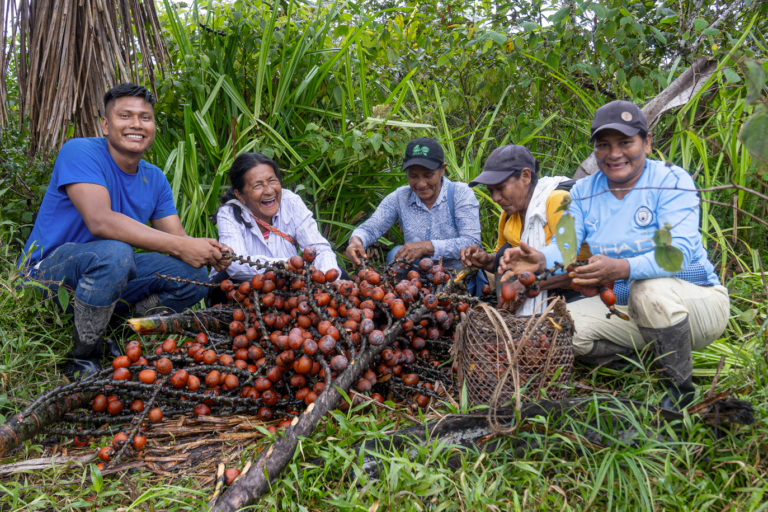
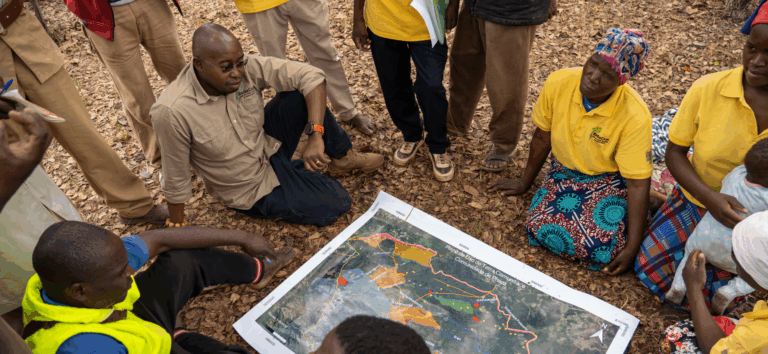
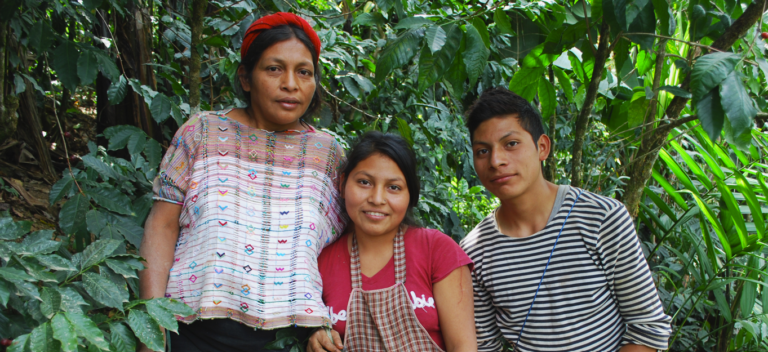
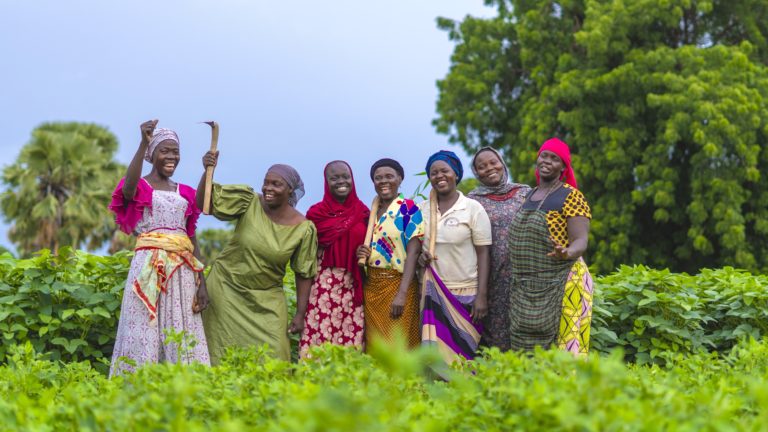
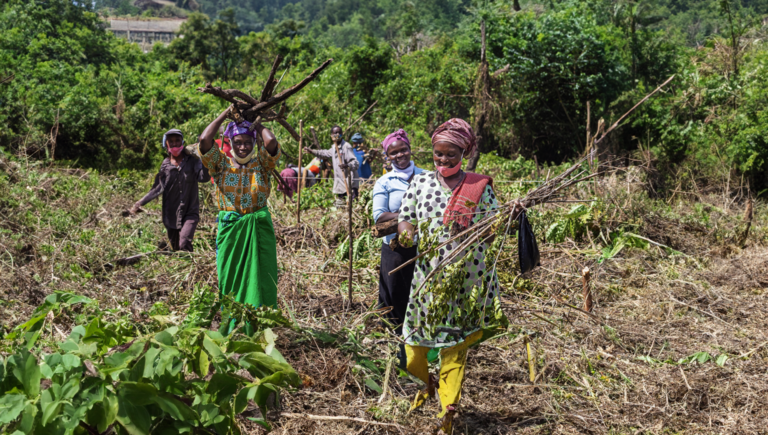
Our partnerships support the sustainable use, management, and restoration of ecosystems by involving local communities as the stewards, knowledge-holders, and owners of those resources.

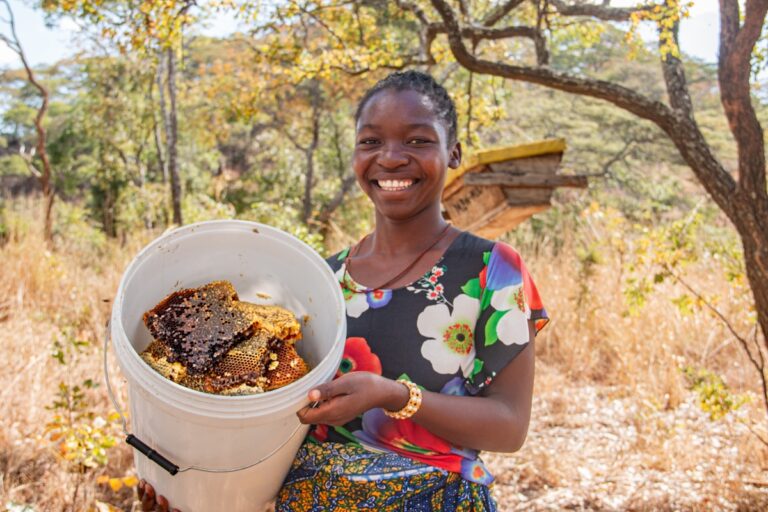
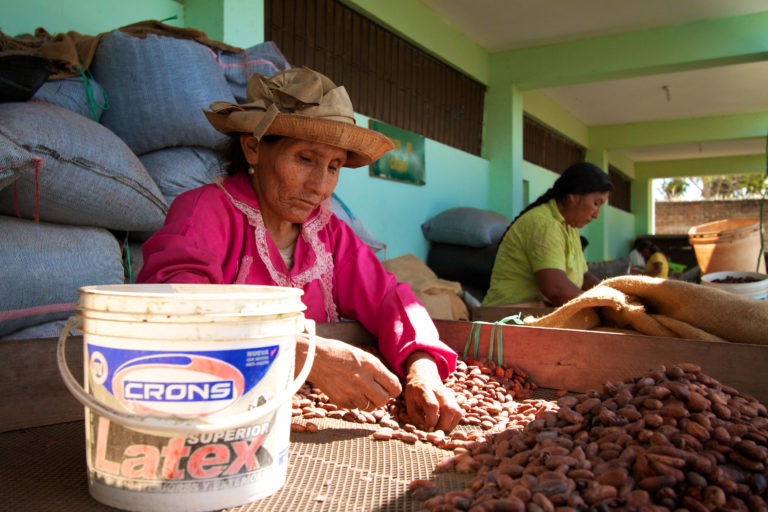
Smallholders produce a third of the world’s food.

ECOSYSTEM RESTORATION AND MANAGEMENT

We invest in programmes that strengthen community capacity for ecosystem restoration, management and conservation. These initiatives improve ecosystem health and deliver wider benefits for people and nature.

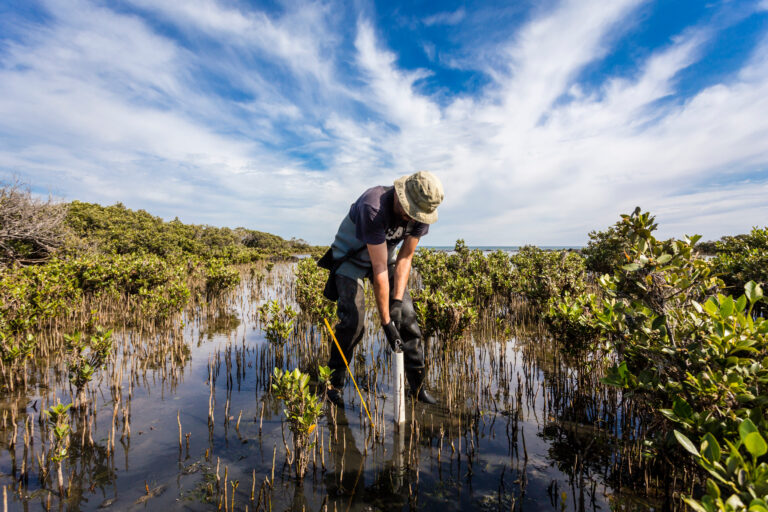
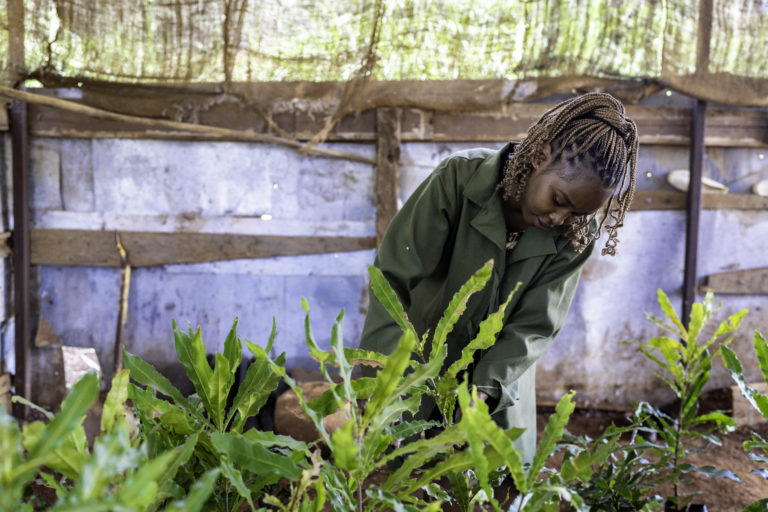
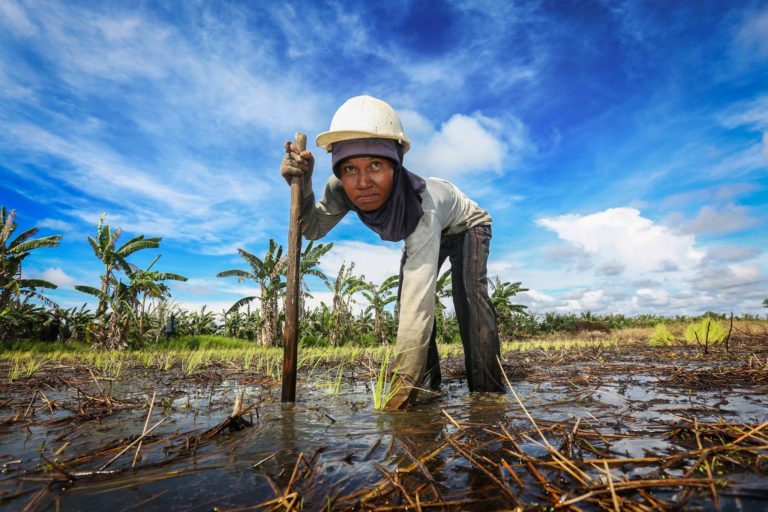
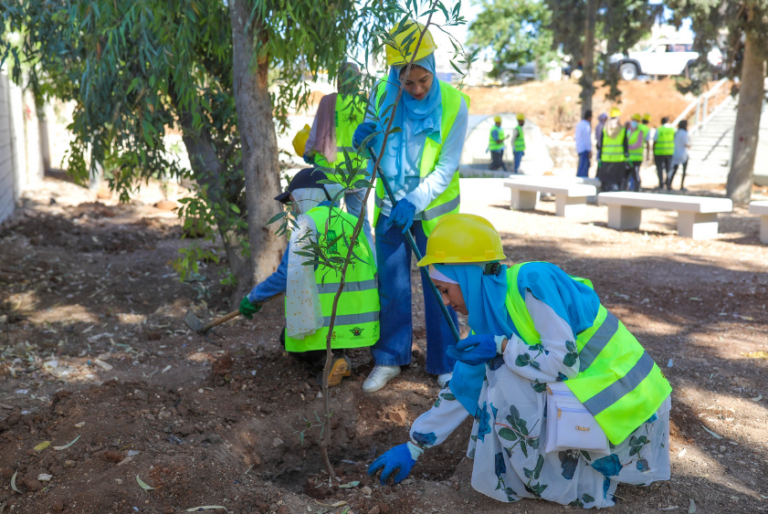
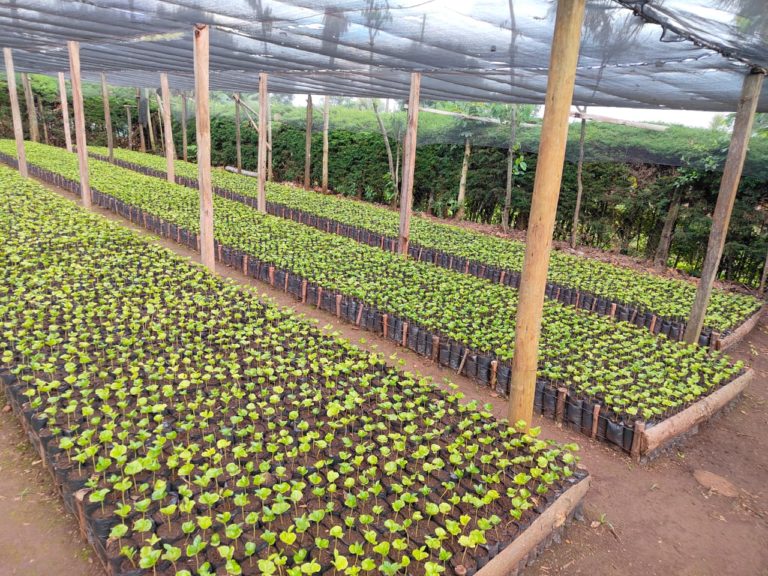
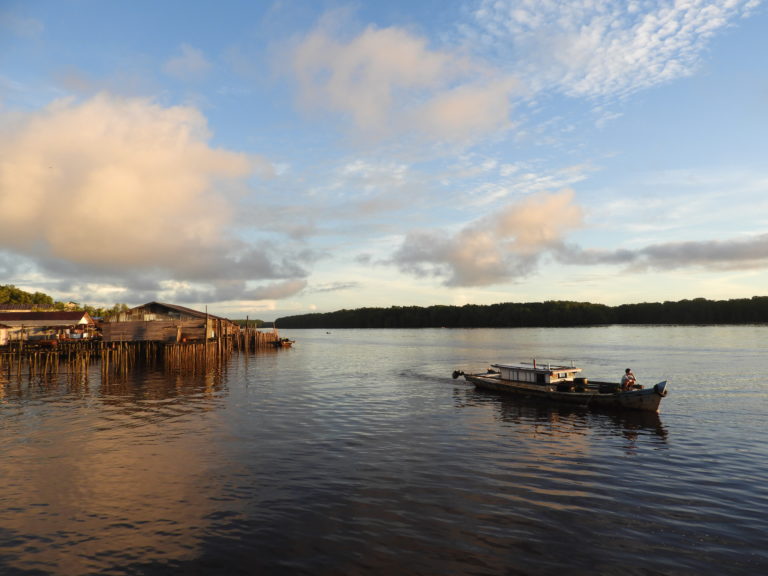
We invest in ecosystem restoration using local, climate-resilient species to improve water availability, soil quality and slope stability. In coastal areas, we support mangrove management to enhance fish habitats, livelihoods and reduce flooding and salt-water intrusion.

We prioritise community-led ecosystem management and support innovative payment mechanisms for ecosystem services, enabling communities to earn income from conservation.