We build resilience by supporting disaster preparedness, response and recovery in communities most exposed to climate risks. We strengthen livelihoods, ecosystems and infrastructure to reduce vulnerability to both extreme events and long-term climate impacts.
The challenge
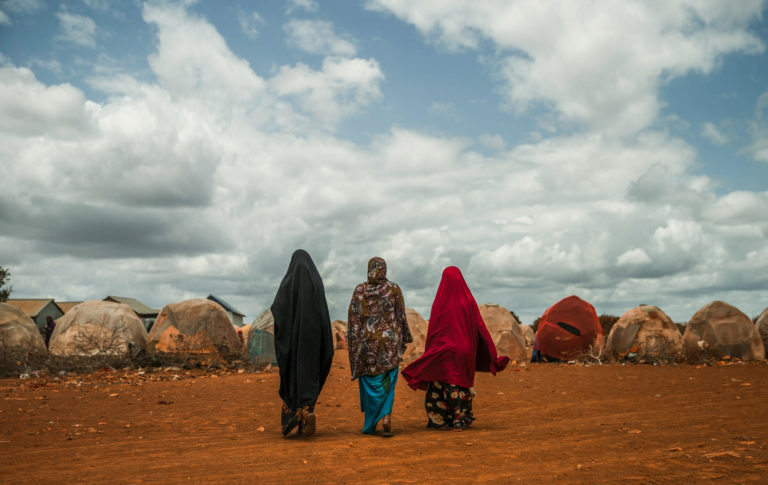
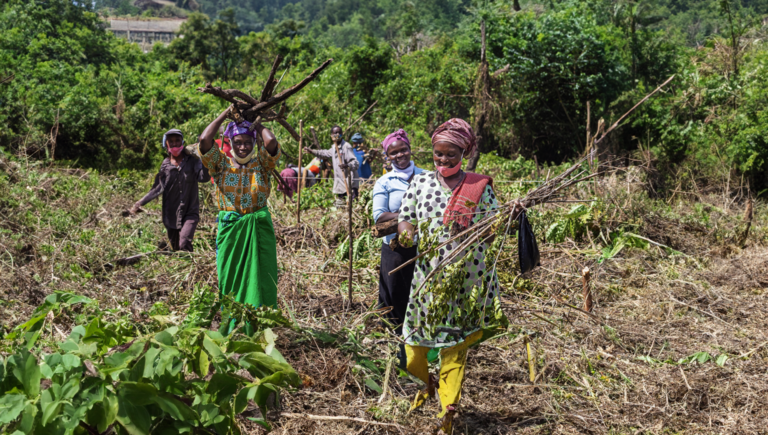
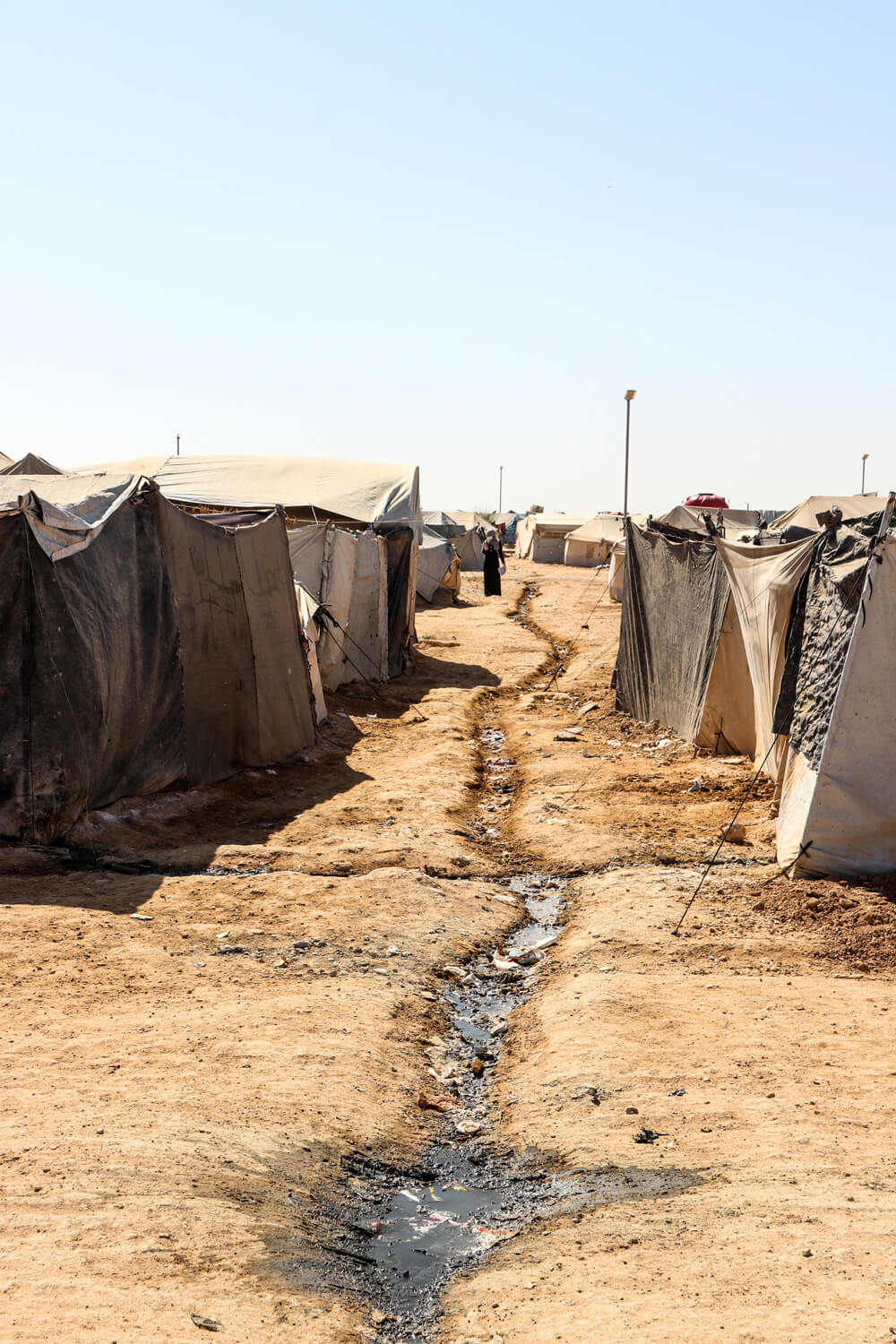
Millions of people are affected every year by disasters. Marginalised communities are more vulnerable and exposed due to a lack of economic opportunities, inadequate basic services, deficient infrastructure, and living in unsafe areas. The livelihoods of many rural communities depend on climate-sensitive activities such as agriculture and gathering.
One in 23 people on the planet now needs humanitarian assistance, twice the number from just four years ago. Climate change has exacerbated the crises and will continue to do so, leading to more frequent and severe extreme weather events, increased food insecurity, displacement, and economic vulnerability.
Our response
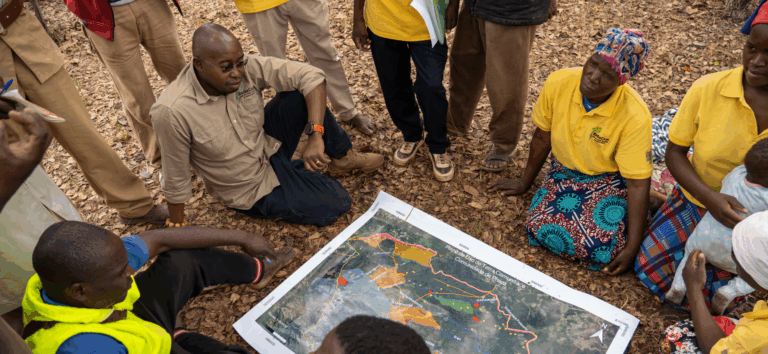
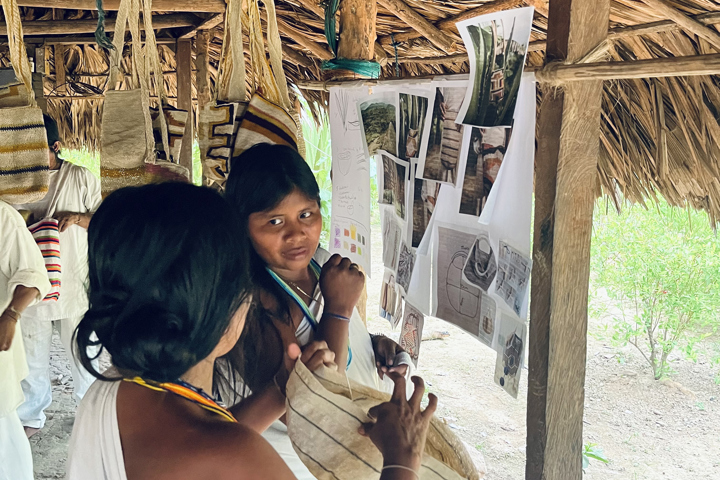
Investing in disaster risk reduction saves lives and money. It yields economic, social, and environmental benefits. Local communities are uniquely positioned to identify immediate needs, implement emergency response programmes, and participate in decision-making to better prepare for future events.
One in 23 people on the planet needs humanitarian assistance
DISASTER RISK REDUCTION
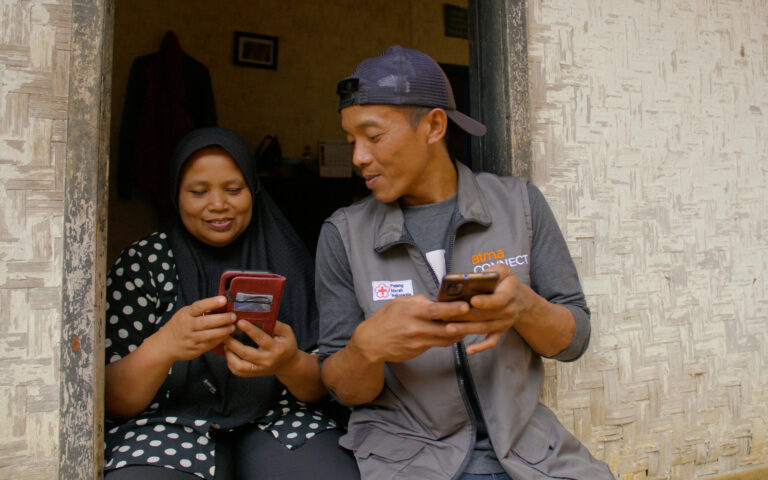
We partner with organisations and coalitions that promote risk assessments, community-based disaster preparedness, early warning systems, resilience-building activities, and nature-based solutions.
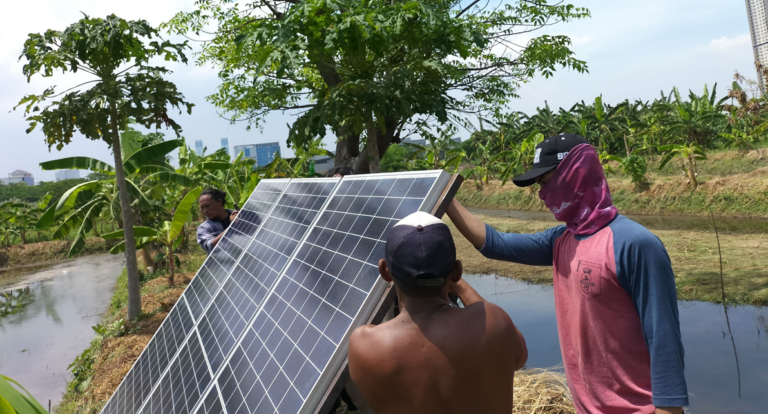
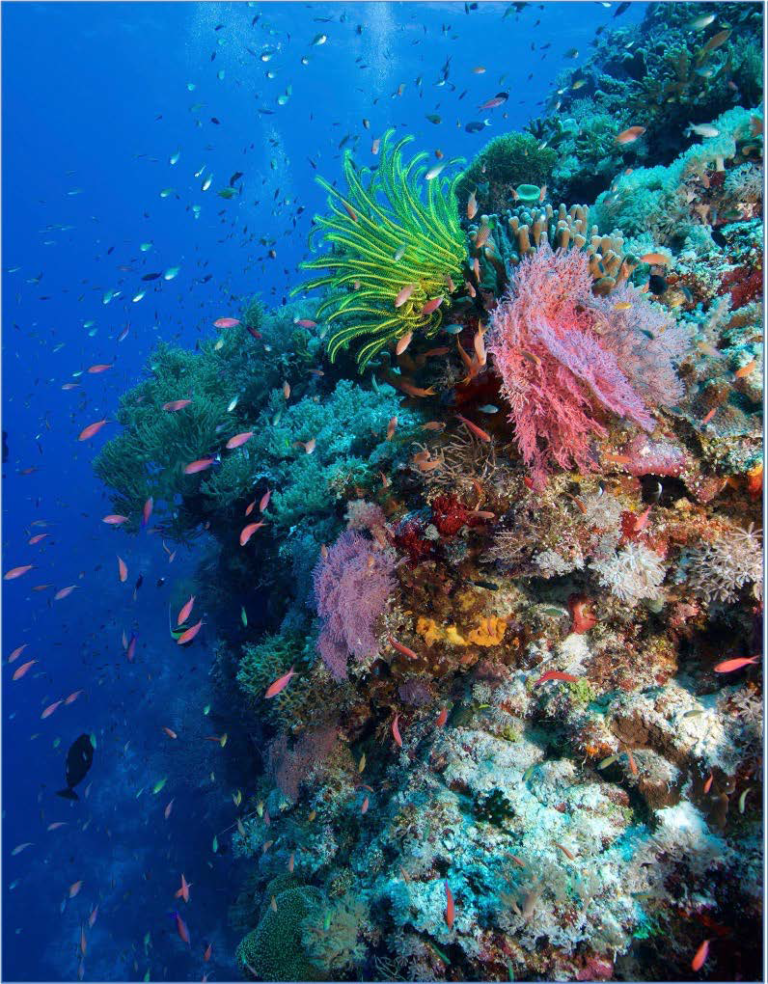
Examples include the management of ecosystems that provide protective barriers against hazards and the promotion of sustainable land and water management practices to increase resilience.
DISASTER RESPONSE
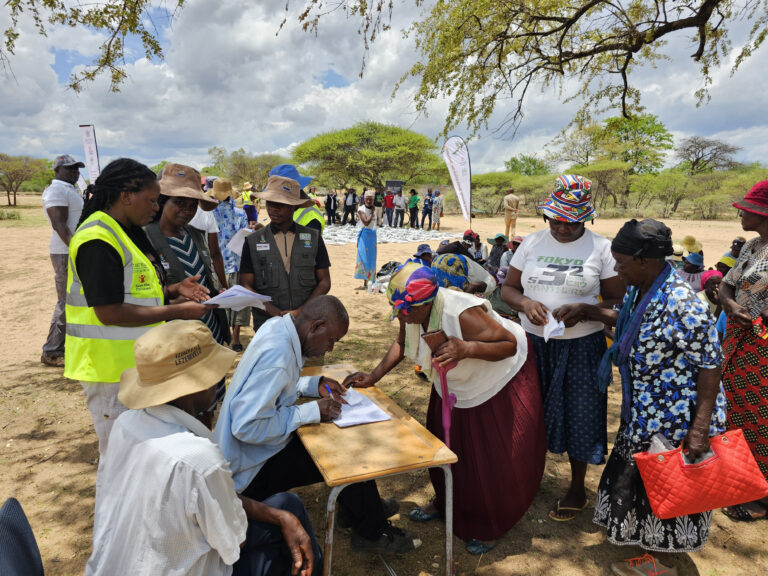
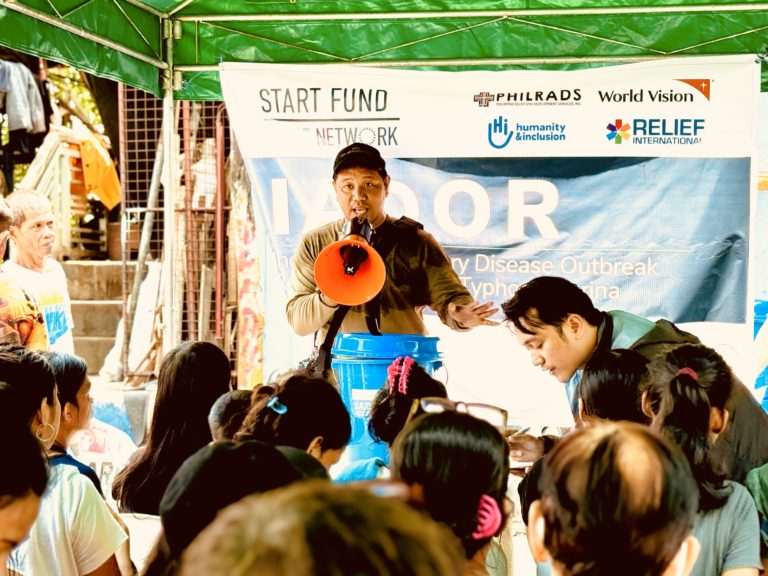
When disasters occur, we support organisations that offer timely and effective relief and recovery efforts, including efforts to restore infrastructure, livelihoods, and basic services. In those cases, we prioritise projects that address the immediate needs of affected communities while considering their long-term recovery and resilience-building.
Since countries marked by conflict and fragility are adversely affected by disasters, and in turn disasters exacerbate these conditions, adapting a ‘do no harm’ and conflict-sensitive approach is key. We prioritise community-centred and locally-led approaches that promote gender equality and foster social cohesion in the prevention, recovery, and rebuilding process.
Related partnerships
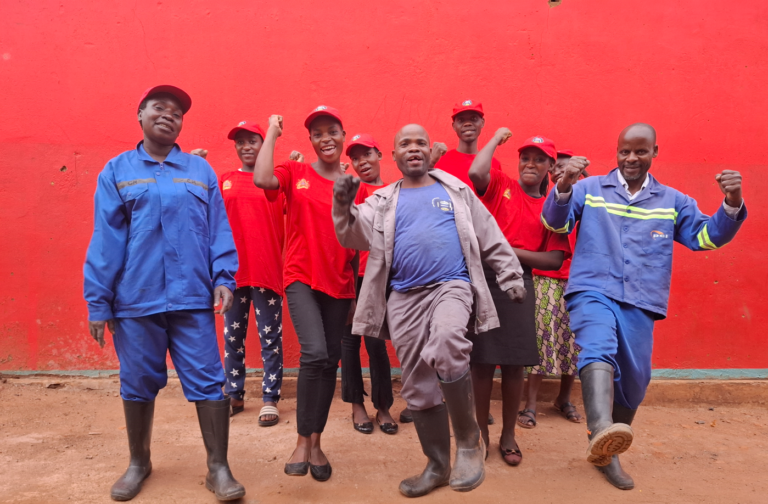
Building the climate resilience of communities in the cities of Southern Africa
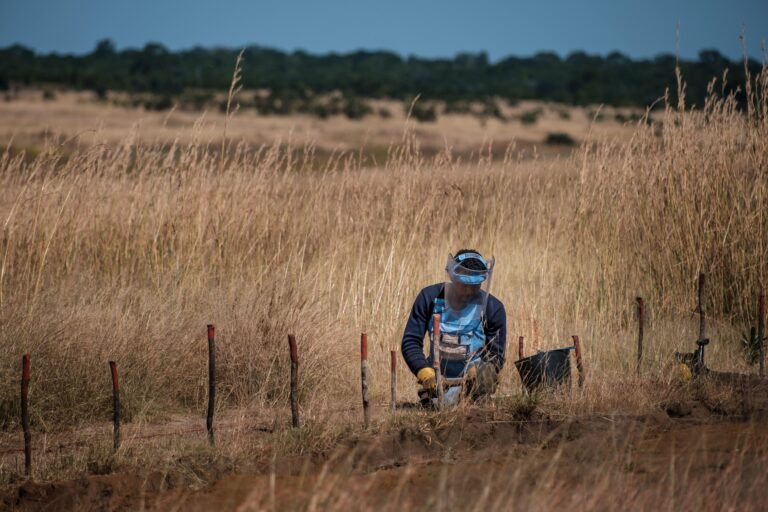
Clearing minefields to enable sustainable livelihoods and nature conservation in Angola
Strengthening communities braced for floods, cyclones, droughts and heatwaves
Developing climate-proofing solutions for resilient businesses in emerging markets
Accelerating innovations for climate adaptation
Accelerating the growth and impact of community-led conservation in Africa
Protecting coastal ecosystems for people and nature
Supporting loans to social enterprises serving Indigenous communities
Building sustainable forest industries in developing countries
Responding rapidly and effectively to humanitarian crises
Helping farmers thrive in climate- and conflict-affected countries in Africa
Partnering with rural businesses to power community resilience
Scaling up community-led ecosystem-based adaptation
Equipping youth for the green economy
Securing Mongolia’s grasslands and herders in the face of climate change
Building climate resilience and addressing crises for at-risk populations
Scaling up fair and equitable nature-based finance for communities
Enabling climate-resilient entrepreneurship in conflict-affected countries
Securing a sustainable future for the coral reefs of the Sulu-Sulawesi Sea
Scaling up catalytic solutions for climate-resilient food systems in Africa
Lifting pastoral women and youth out of poverty through community-based natural resource management
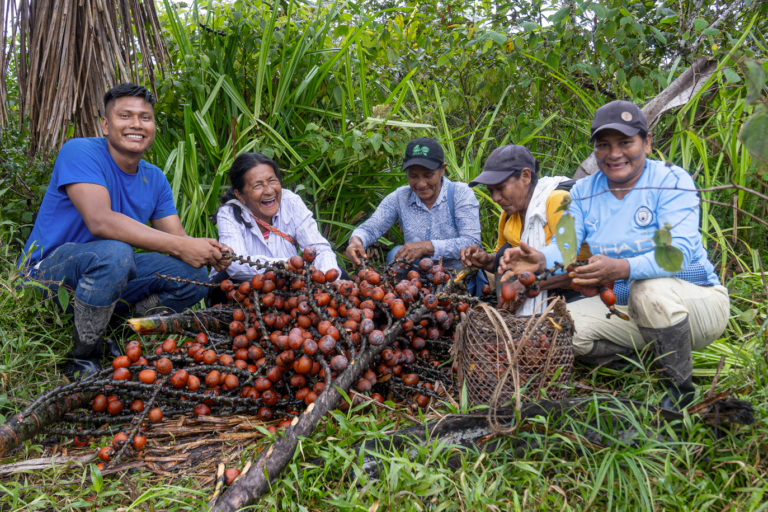
Helping community enterprises in the Amazon to access markets
Boosting employment opportunities for youth in Huelva and Seville
Supporting climate adaptation in Northern Central America
Creating a responsive and fair labour market for Egyptian youth
High-quality carbon projects for people and nature
Empowering disconnected youth so they can achieve their potential
The International Seafarers’ Welfare and Assistance Network (ISWAN) assists seafarers and their families and campaigns for greater rights for maritime workers.
Empowering Artisanal and Small-Scale Miners
Strengthening business and climate resilience for 15 cocoa enterprises to accelerate inclusive economic growth
Empowering communities to develop sustainable livelihoods
Fair and equitable carbon finance for vulnerable communities
Boosting decent employment opportunities for Vietnam’s disadvantaged youth
Improving the safe and effective delivery of health services for vulnerable populations
Connecting remote populations and unlocking their potential to thrive
Improving smallholder farmer livelihoods by strengthening cooperatives in the coffee, cocoa and honey sectors
resilience